FEP 2025 - Stage 3
Client:
Páramo Presenta
Industry:
Live Entertainment / Festival Design / Stage Design
Start:
End:
Duration:
2 months
Read time:
4 min
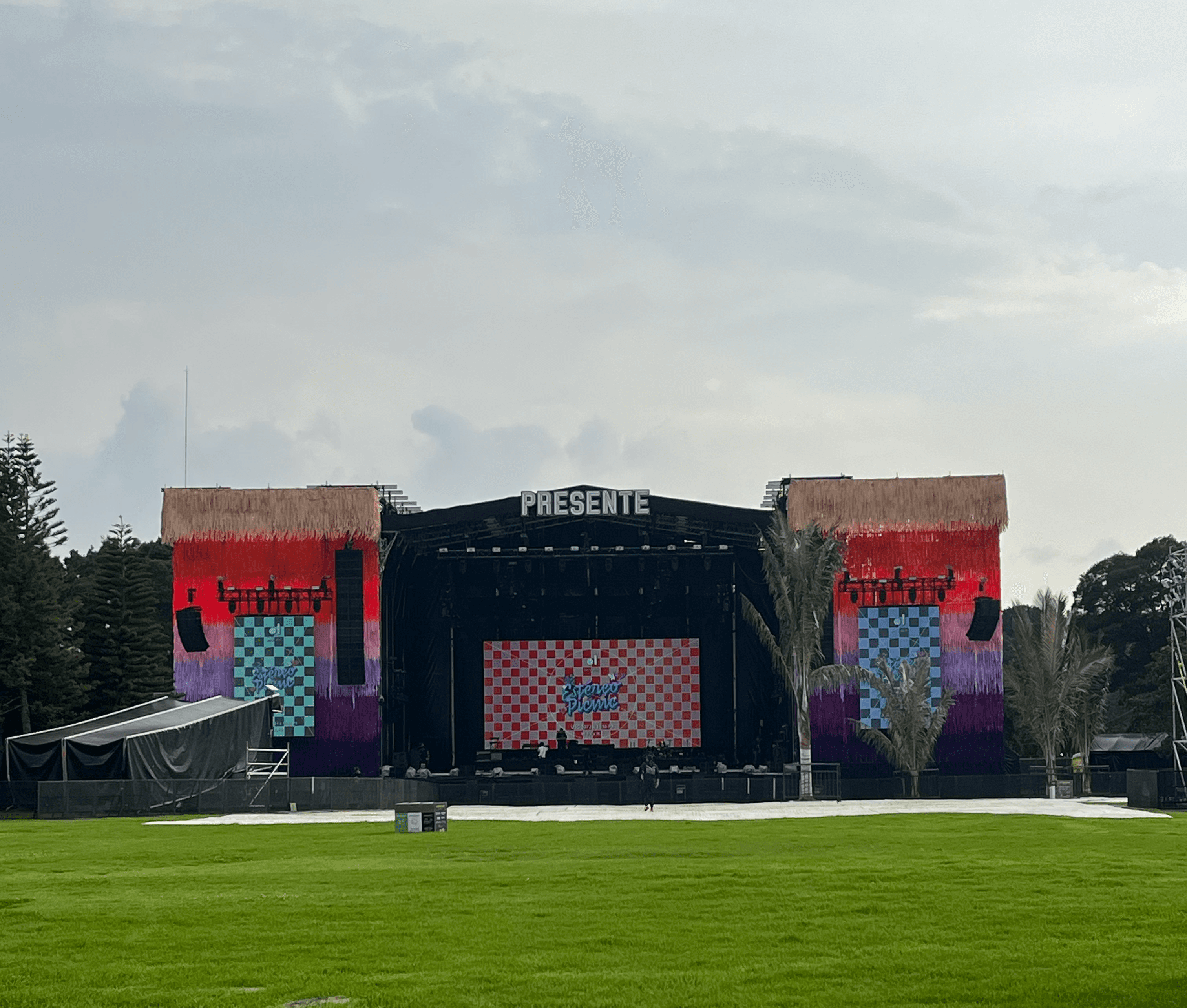
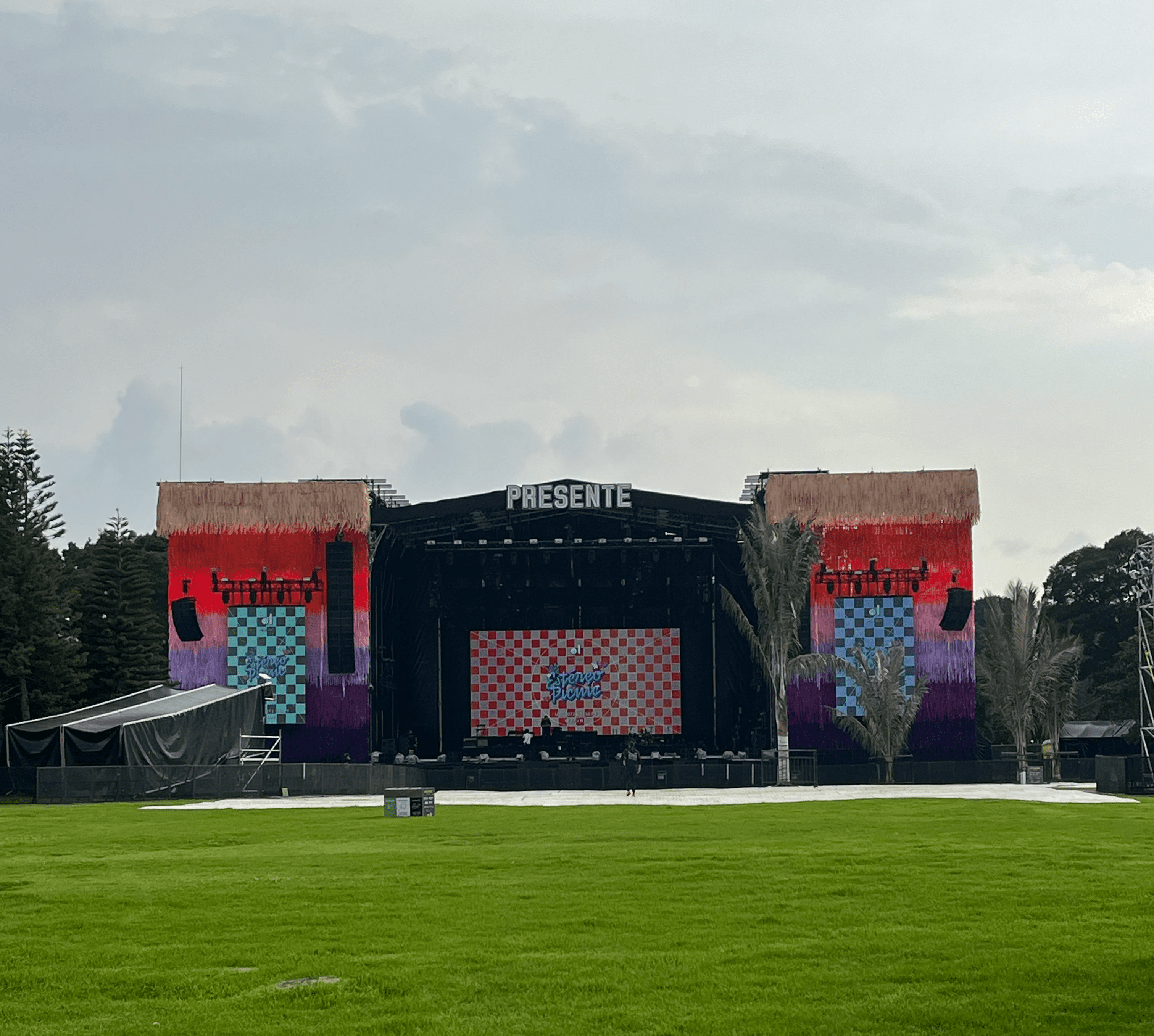
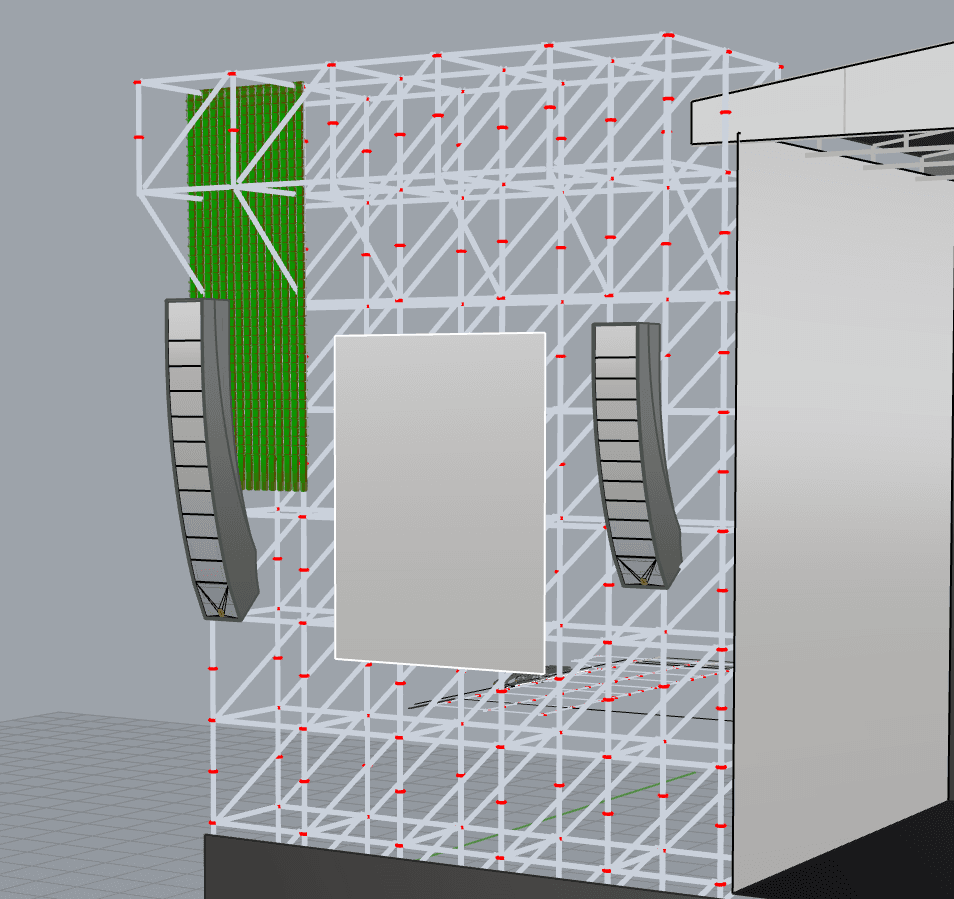
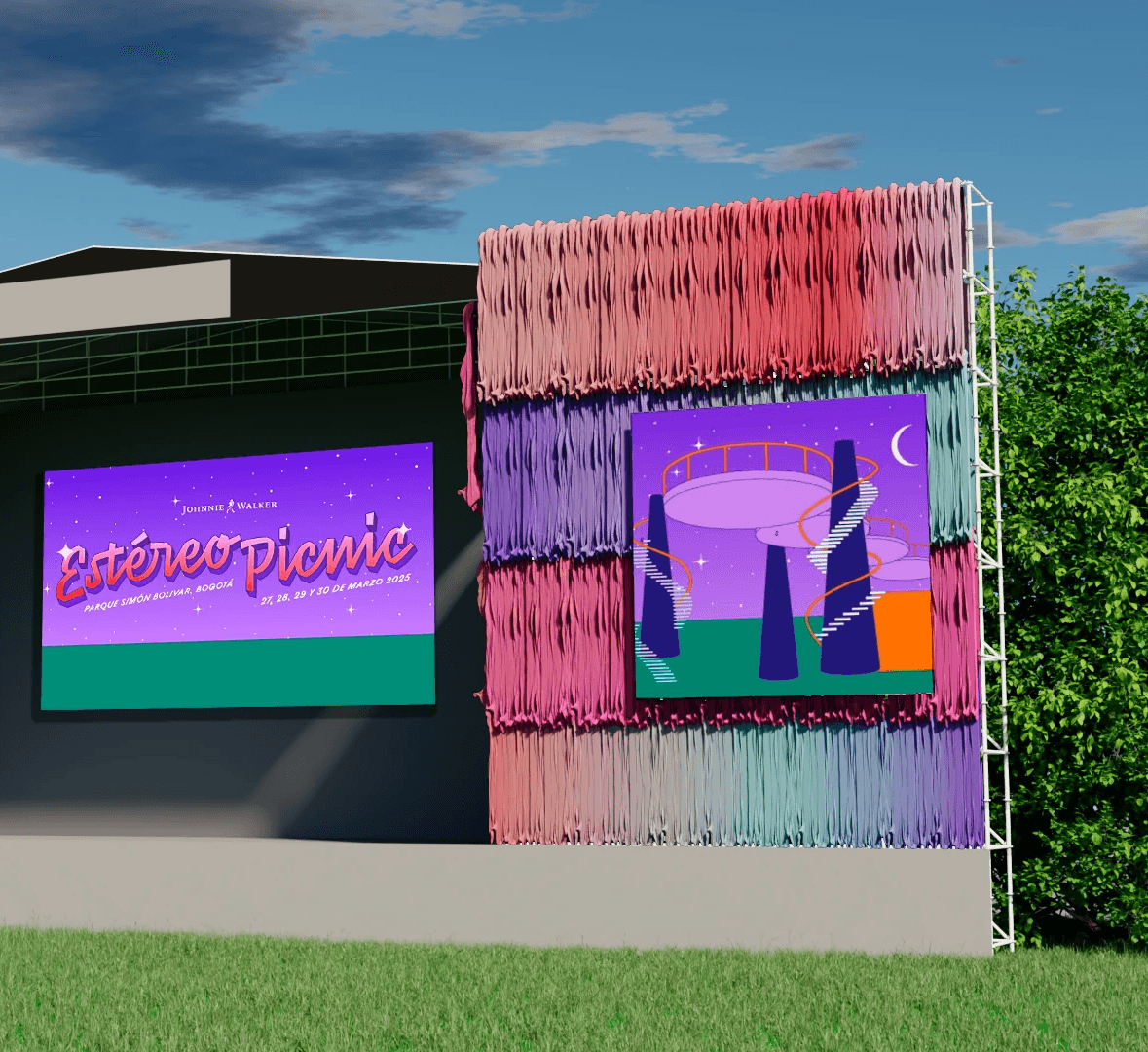
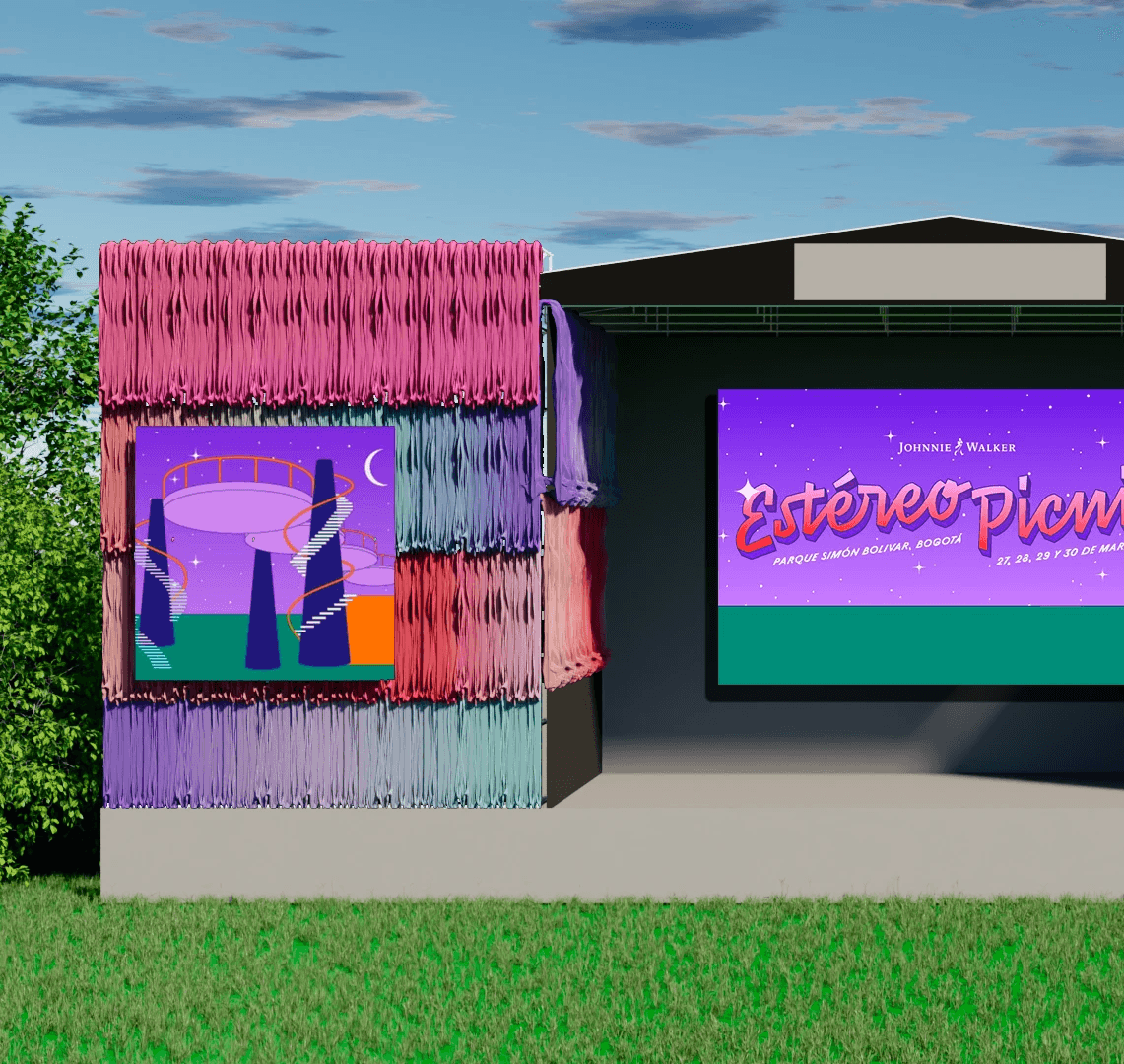
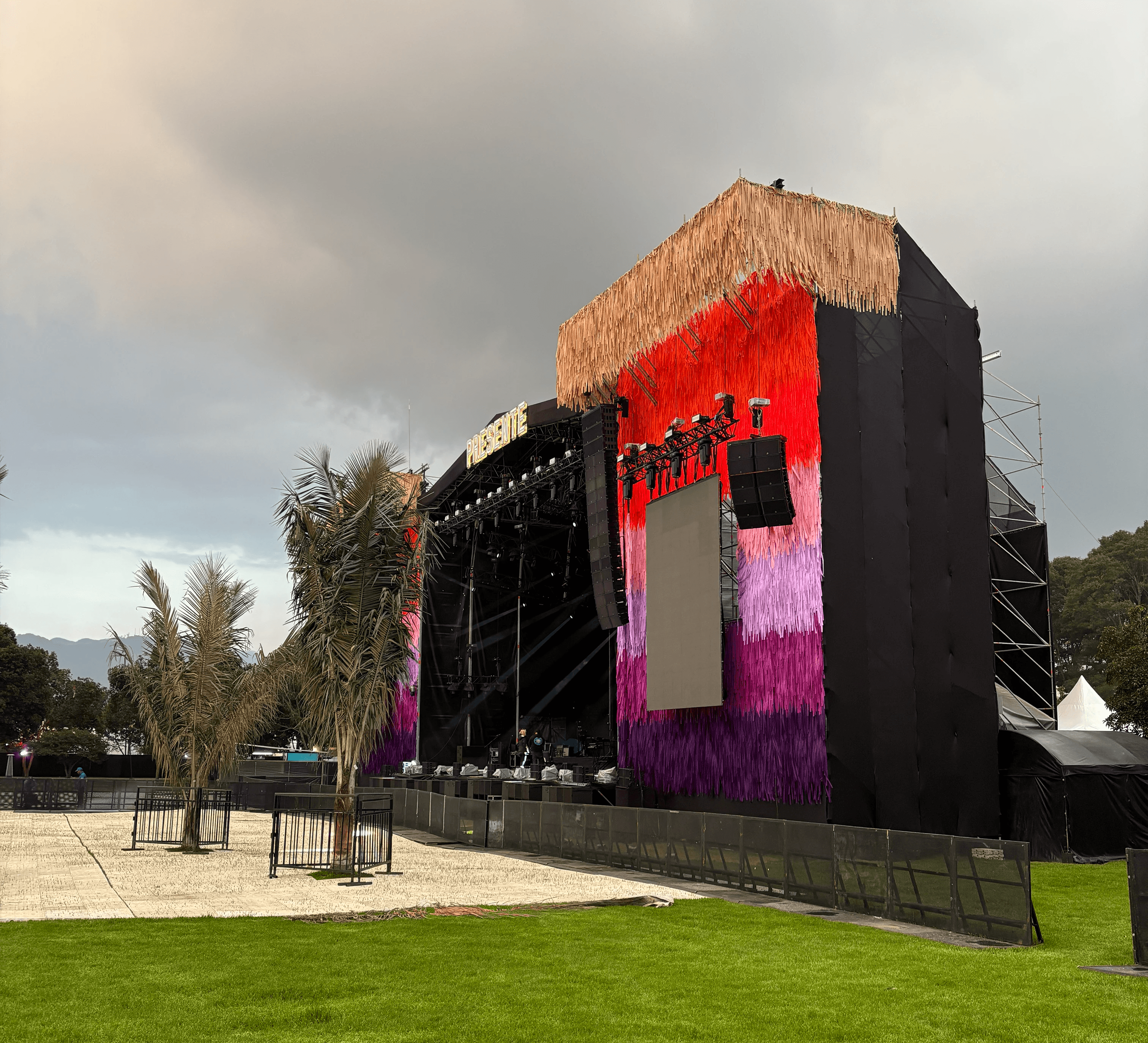
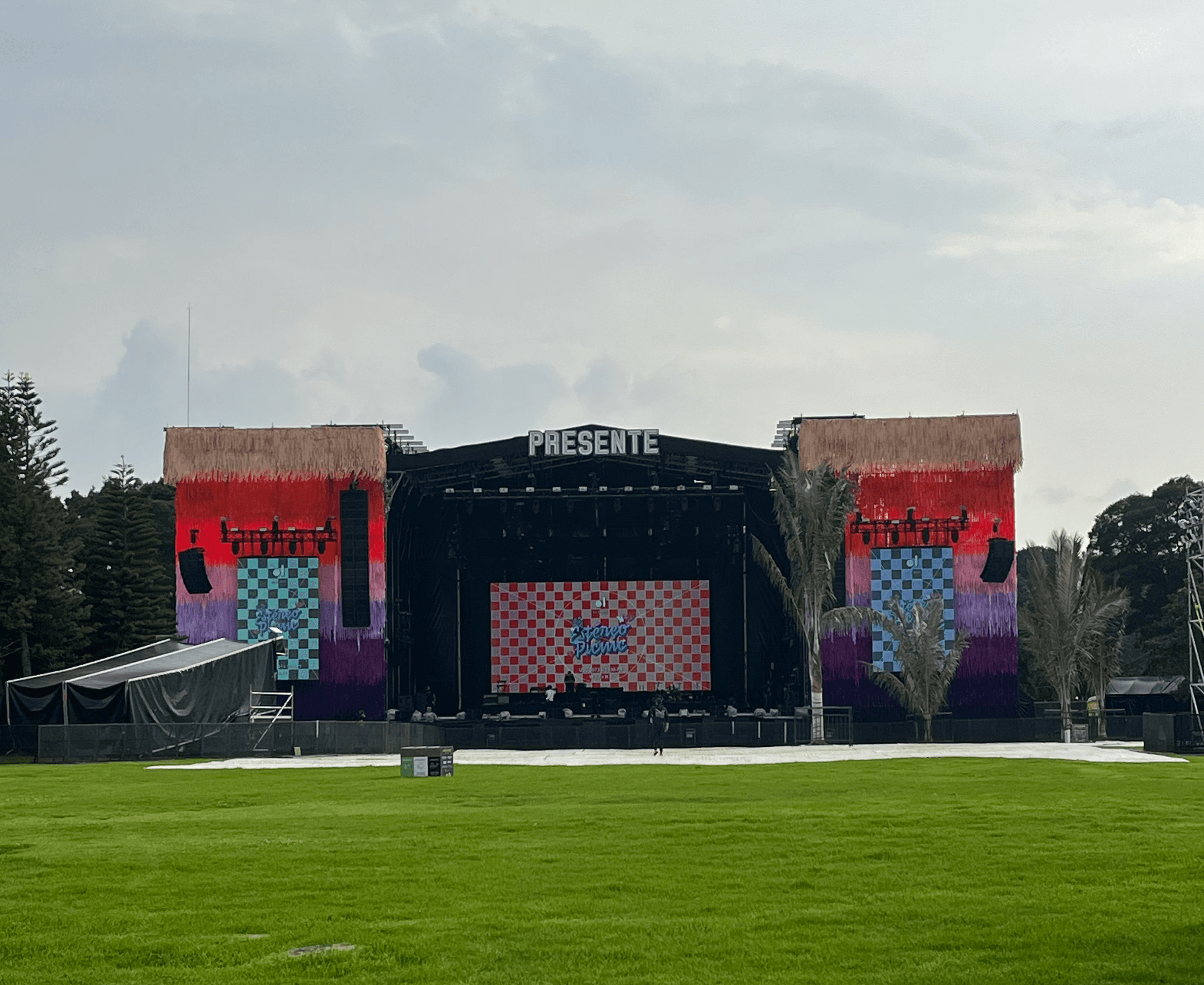
For Festival Estéreo Picnic 2025, I worked as part of the Páramo Presenta creative team on the design of Stage 3. The project focused on a colorful textile façade made from hundreds of suspended cloth strips attached to the stage structure.
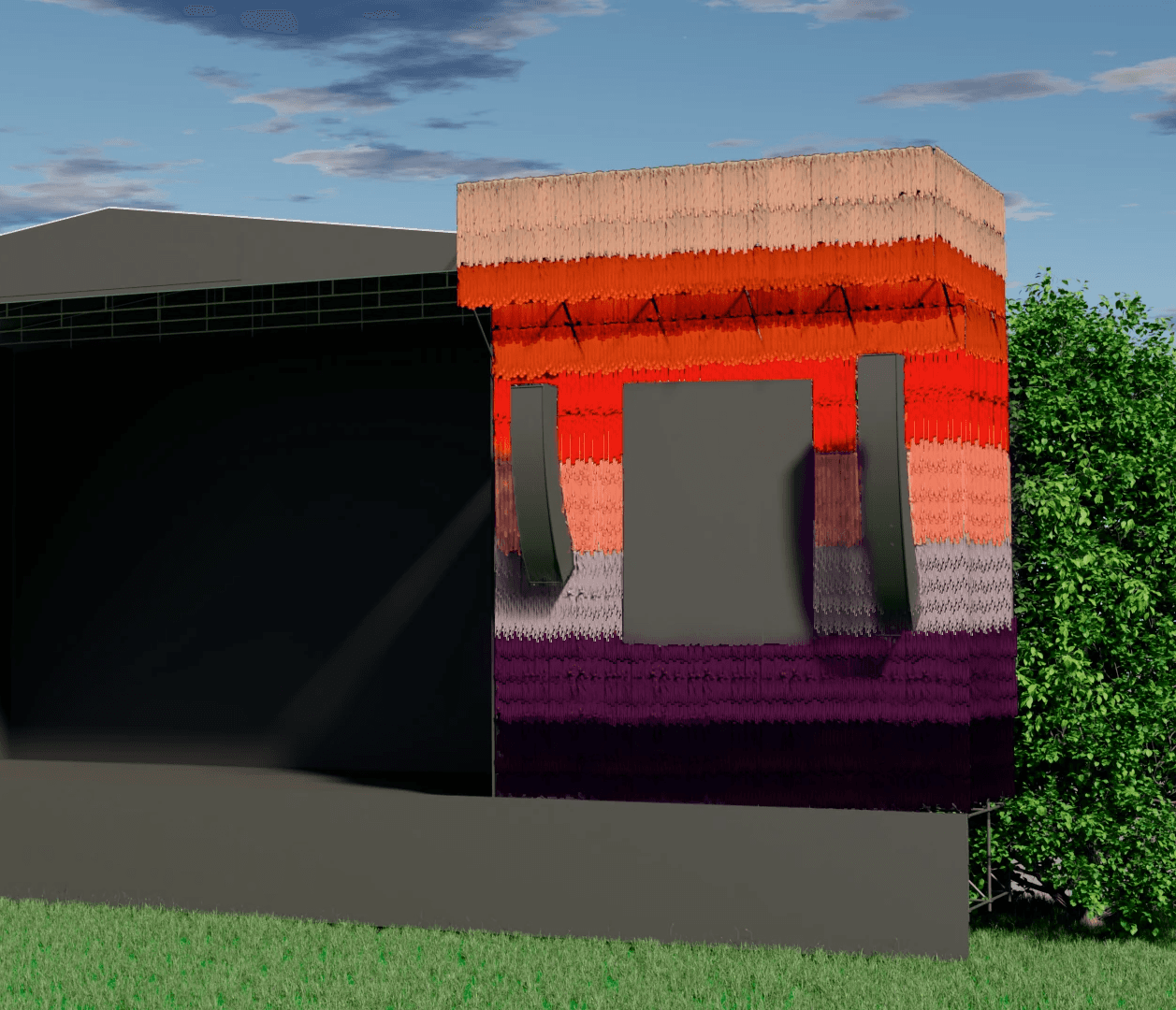
The visual goal was simple: create a playful gradient skin with movement, color, and festival energy. The technical challenge was making that idea measurable, adjustable and production-ready.
Starting point
The stage needed a large visual layer built from repeated fabric strips in different colors and lengths. Because the final effect depended on quantity, density, color order, and strip length, the design could not be solved manually in a reliable way.
Problem solving
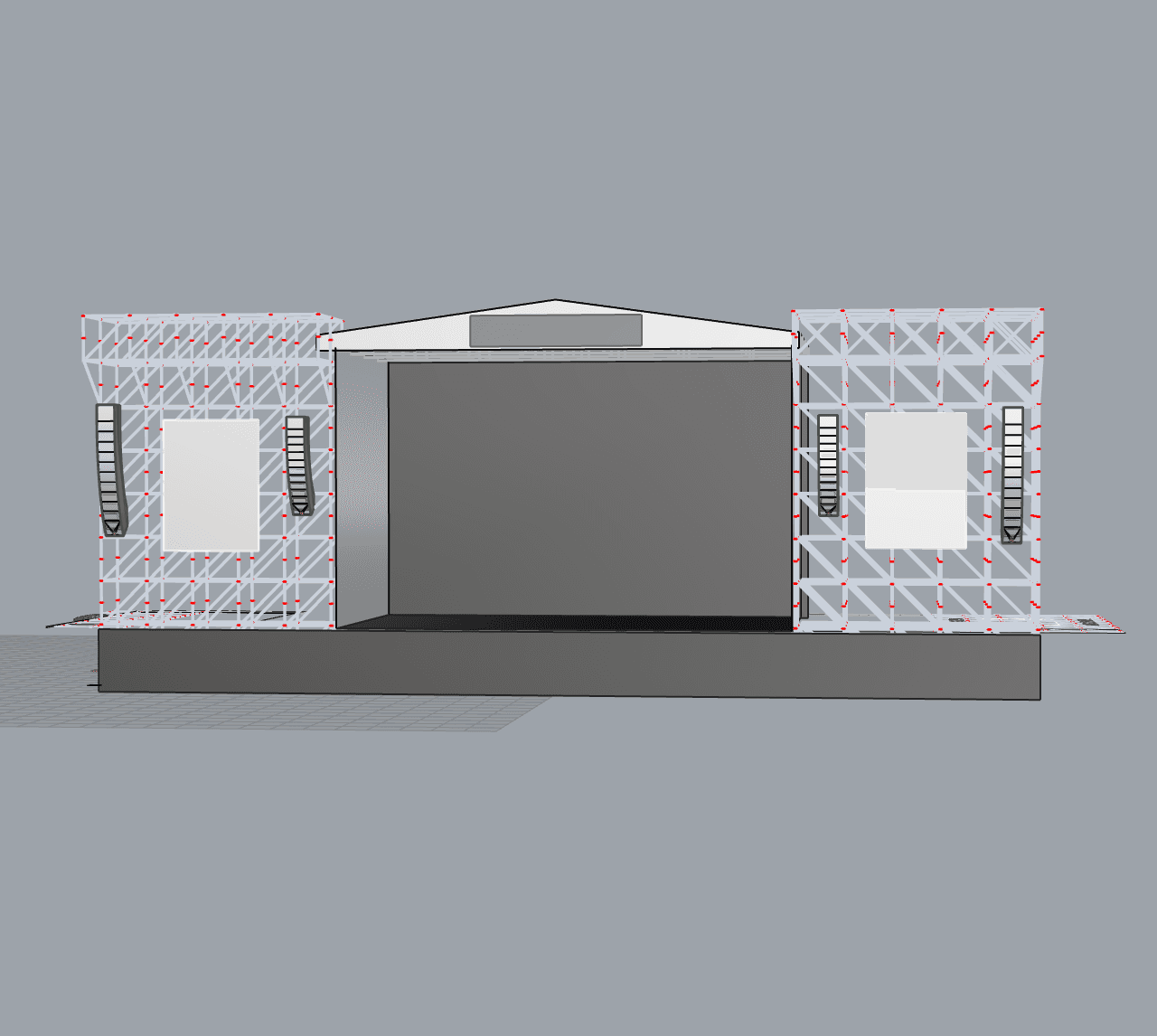
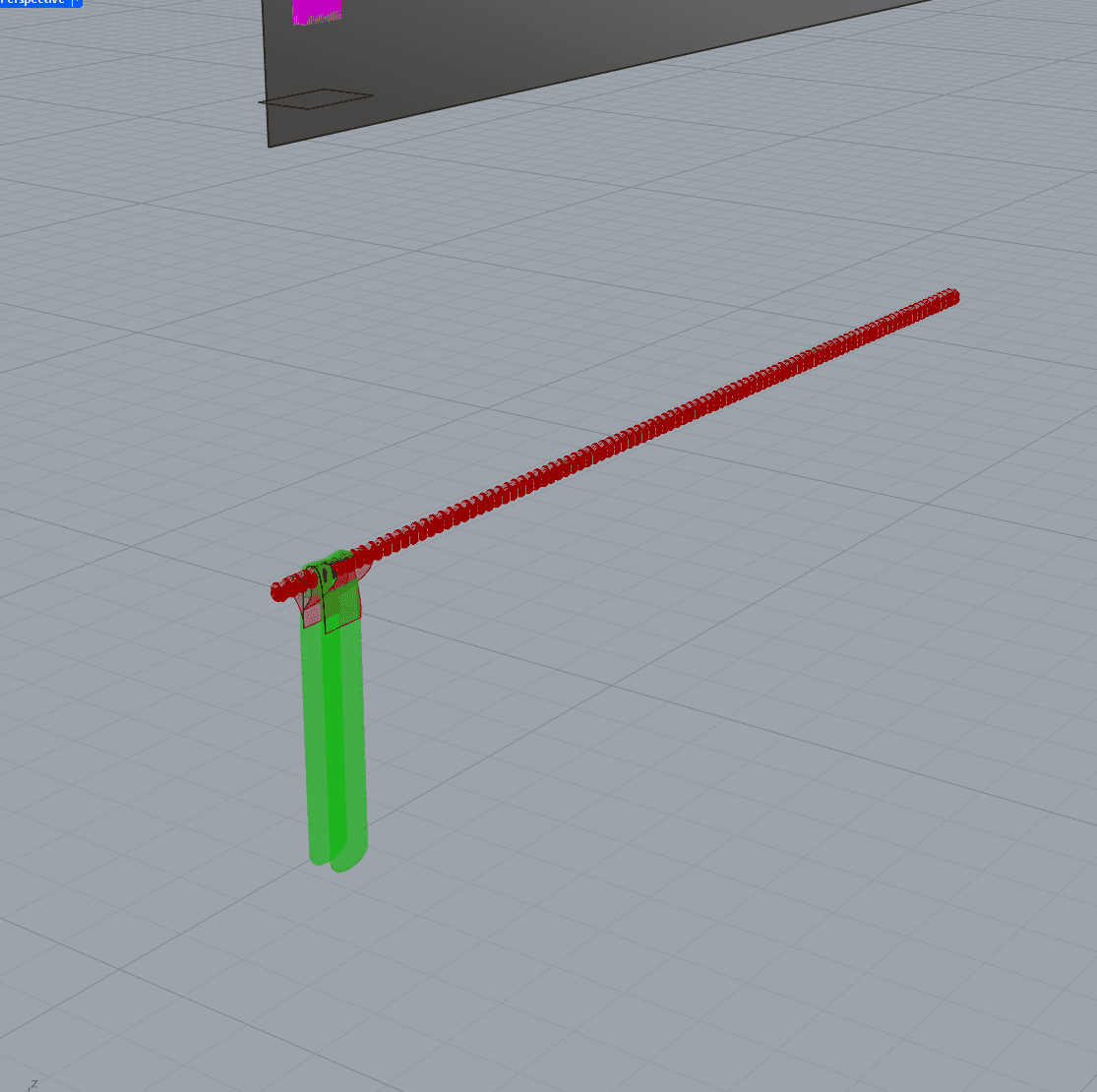
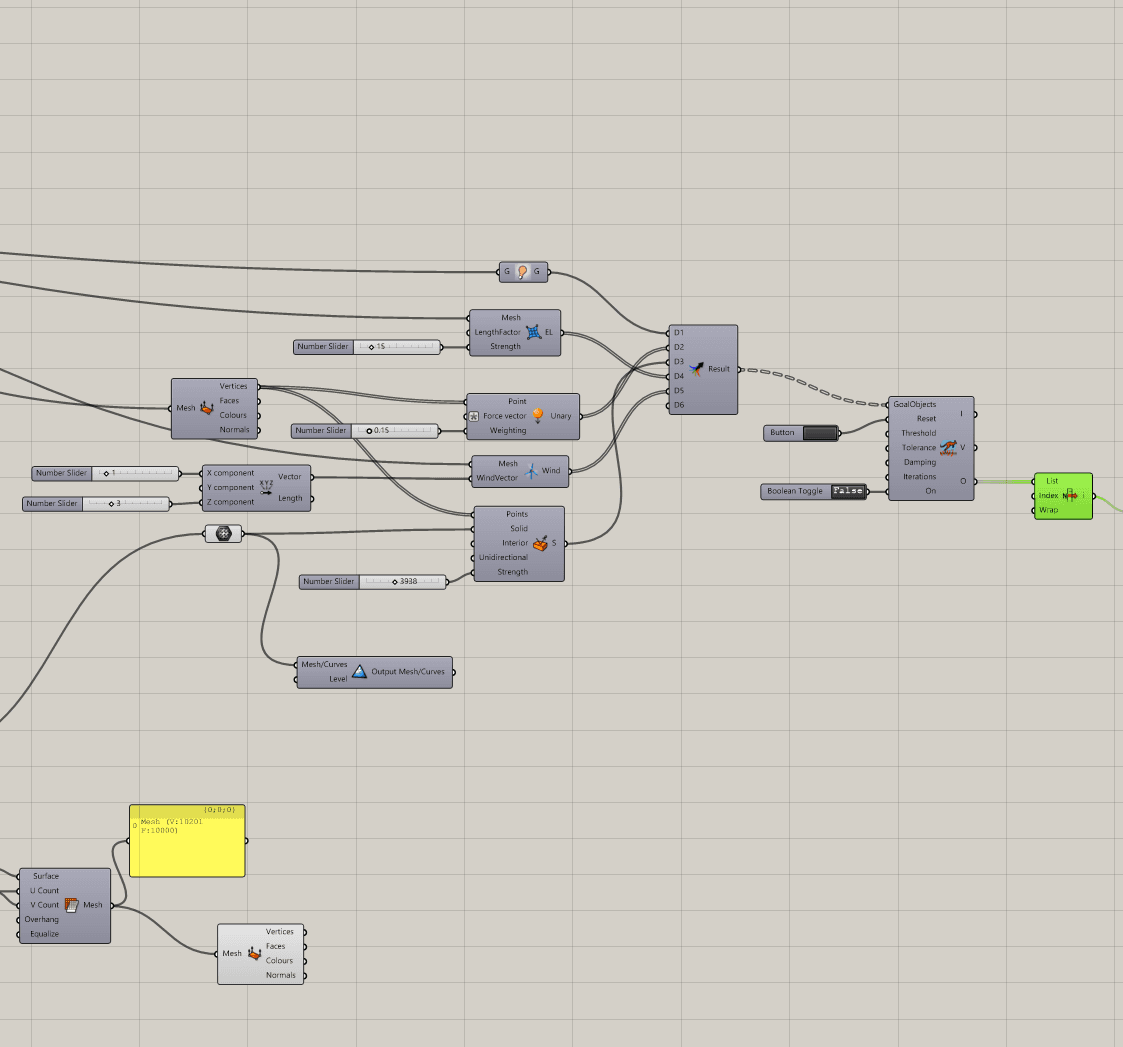
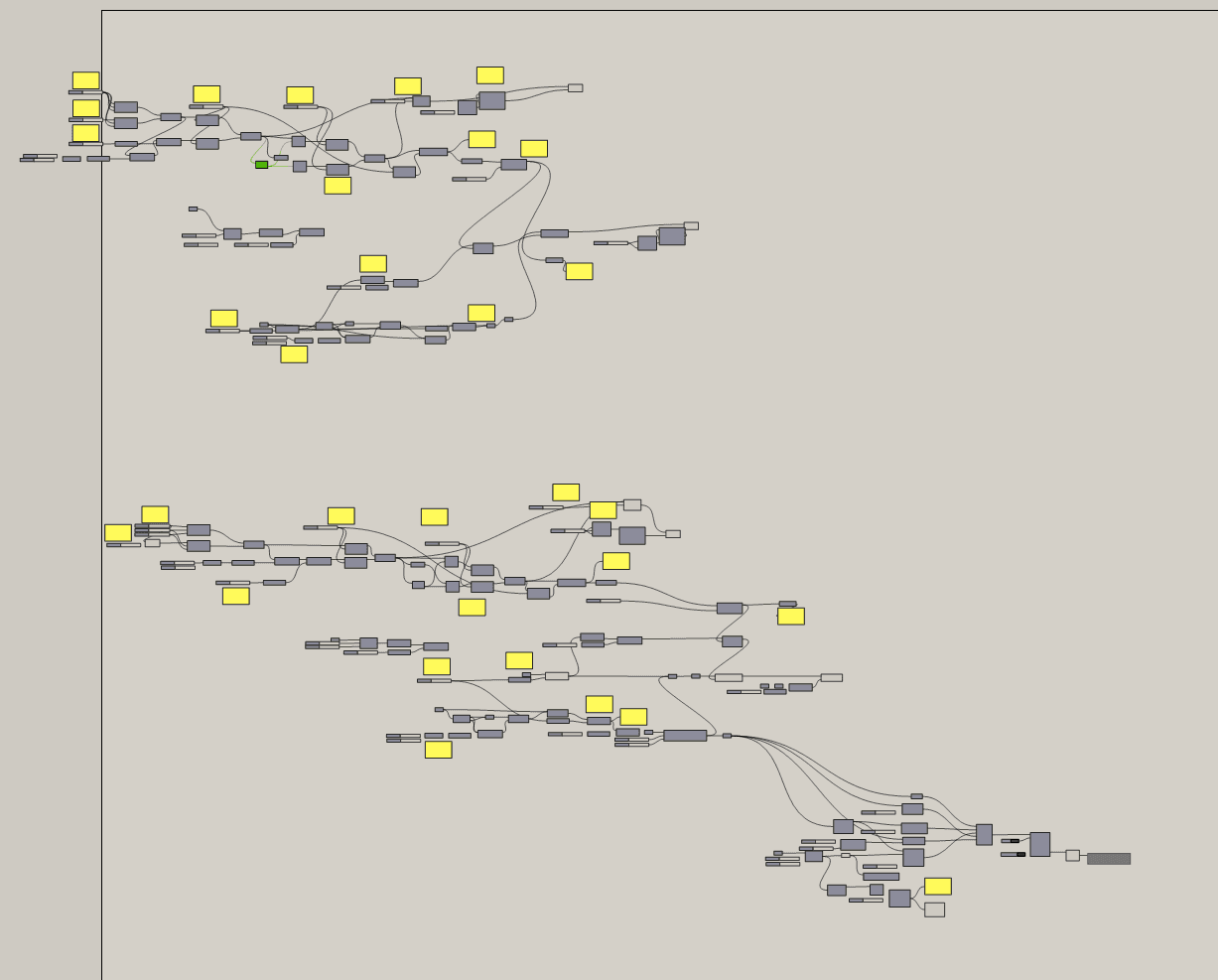
I developed a complex parametric model in Rhino and Grasshopper to control the textile system. The model allowed us to test different quantities, lengths, positions, and color gradients while automatically generating key production information, including how many strips were needed and the length of each strip.
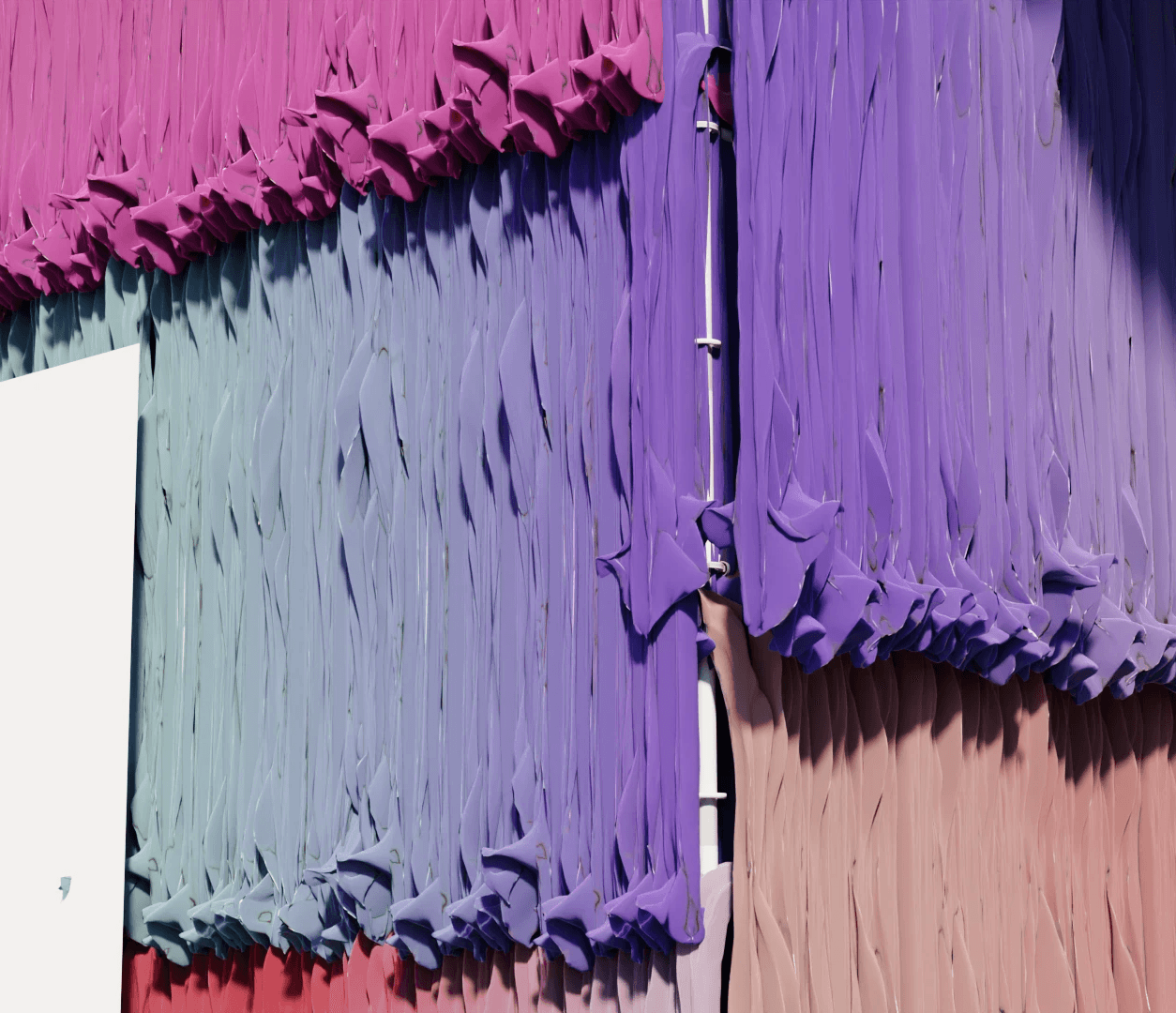
The workflow also included a Kangaroo simulation to study how the fabric could hang from the structure, helping define the best way to attach the strips while reducing material waste as much as possible.
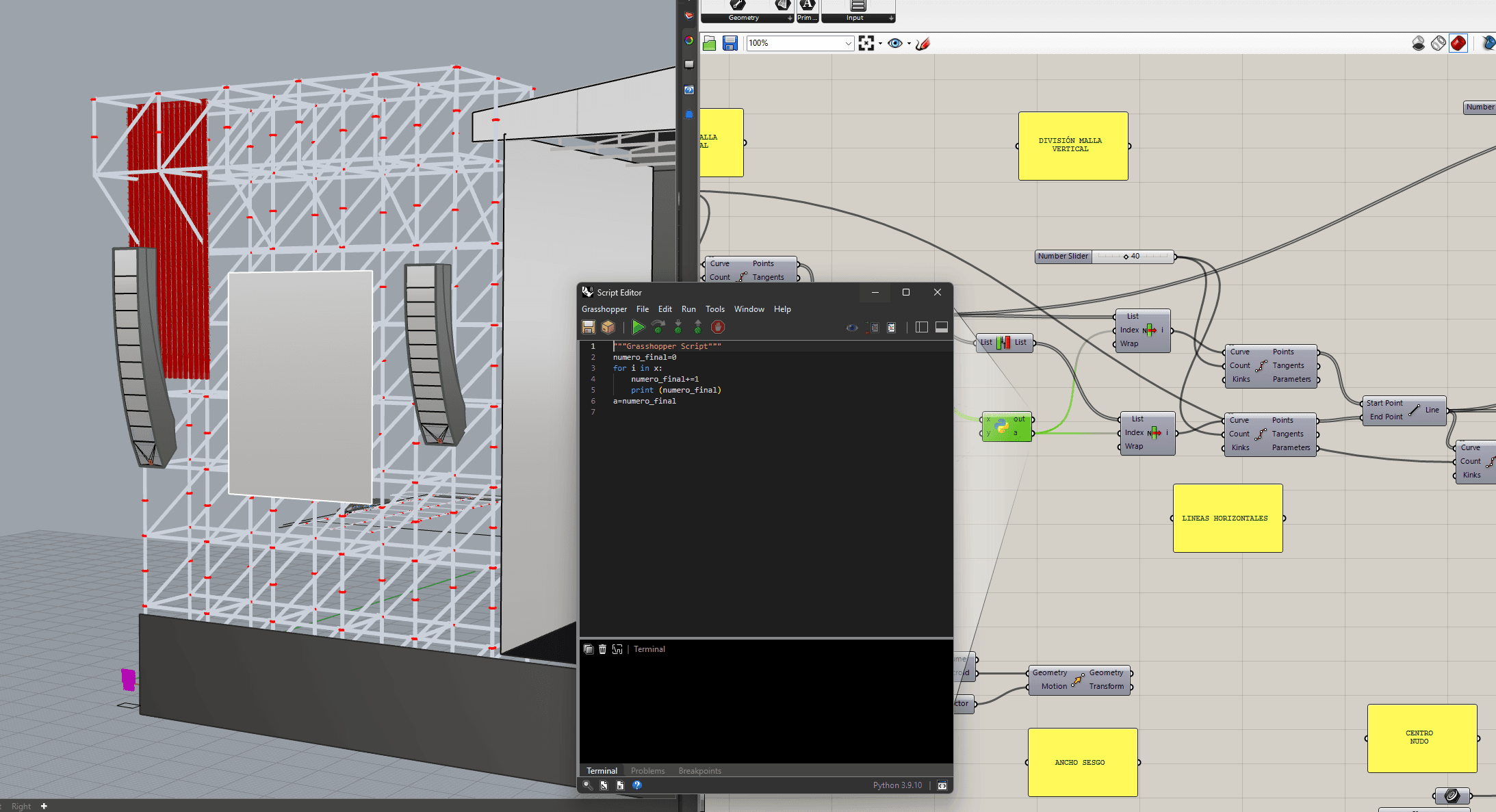
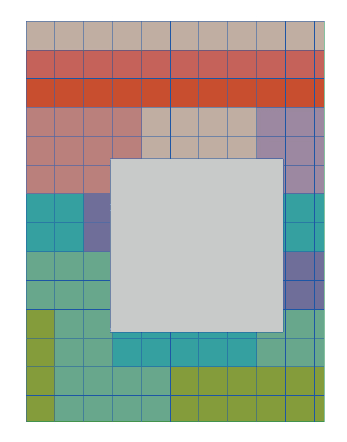
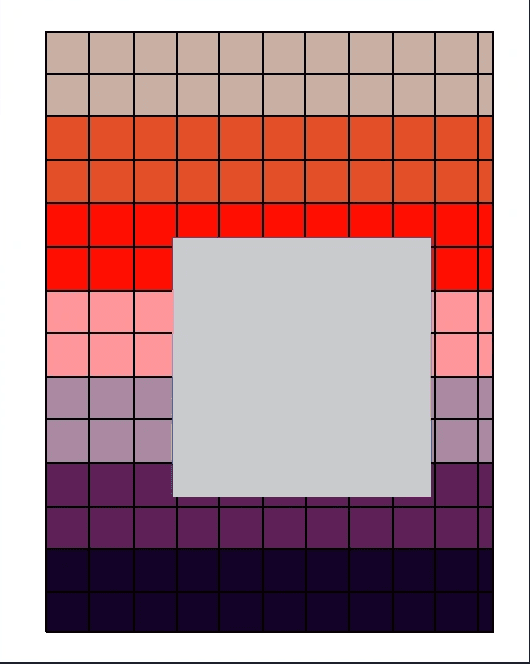
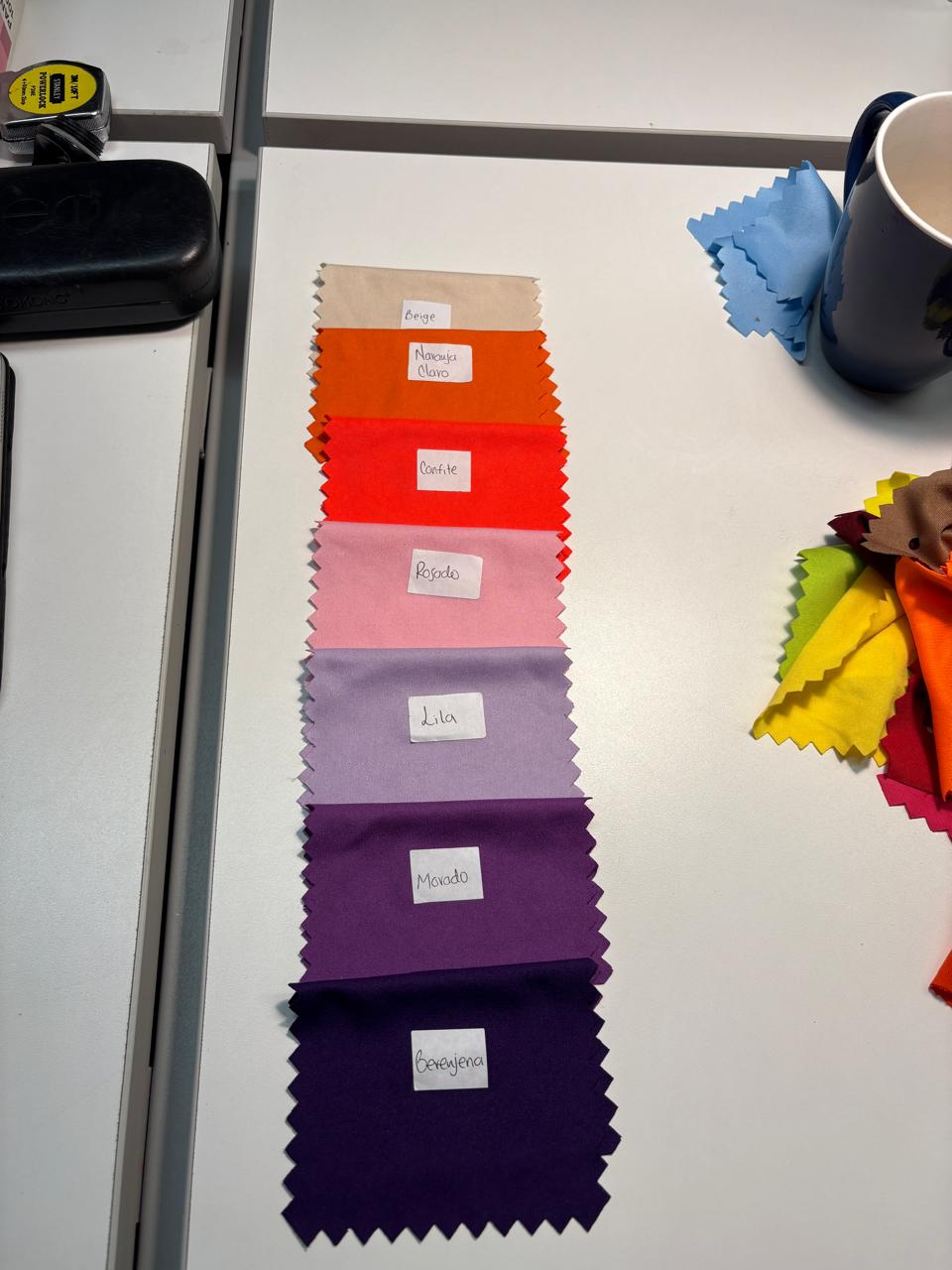
Implementation
The final design used the cloth strips as a large-scale textile skin attached to the stage structure. The parametric model connected the visual design with production logic, making the system easier to adjust, quantify, and communicate.
Instead of only producing renders, the model helped define real fabrication information: strip count, strip length, color distribution, and attachment behavior.
Results
The project delivered a colorful and recognizable stage identity for Festival Estéreo Picnic 2025, supported by a parametric workflow that made the design buildable.
It is a strong example of computational design applied to live production: using geometry, simulation, and data outputs to control hundreds of physical elements while keeping the creative process flexible.