Modular Field Geometry
Client:
Personal Research
Industry:
Computational Design / Generative Geometry / Architecture
Start:
End:
Duration:
3 months
Read time:
3 min
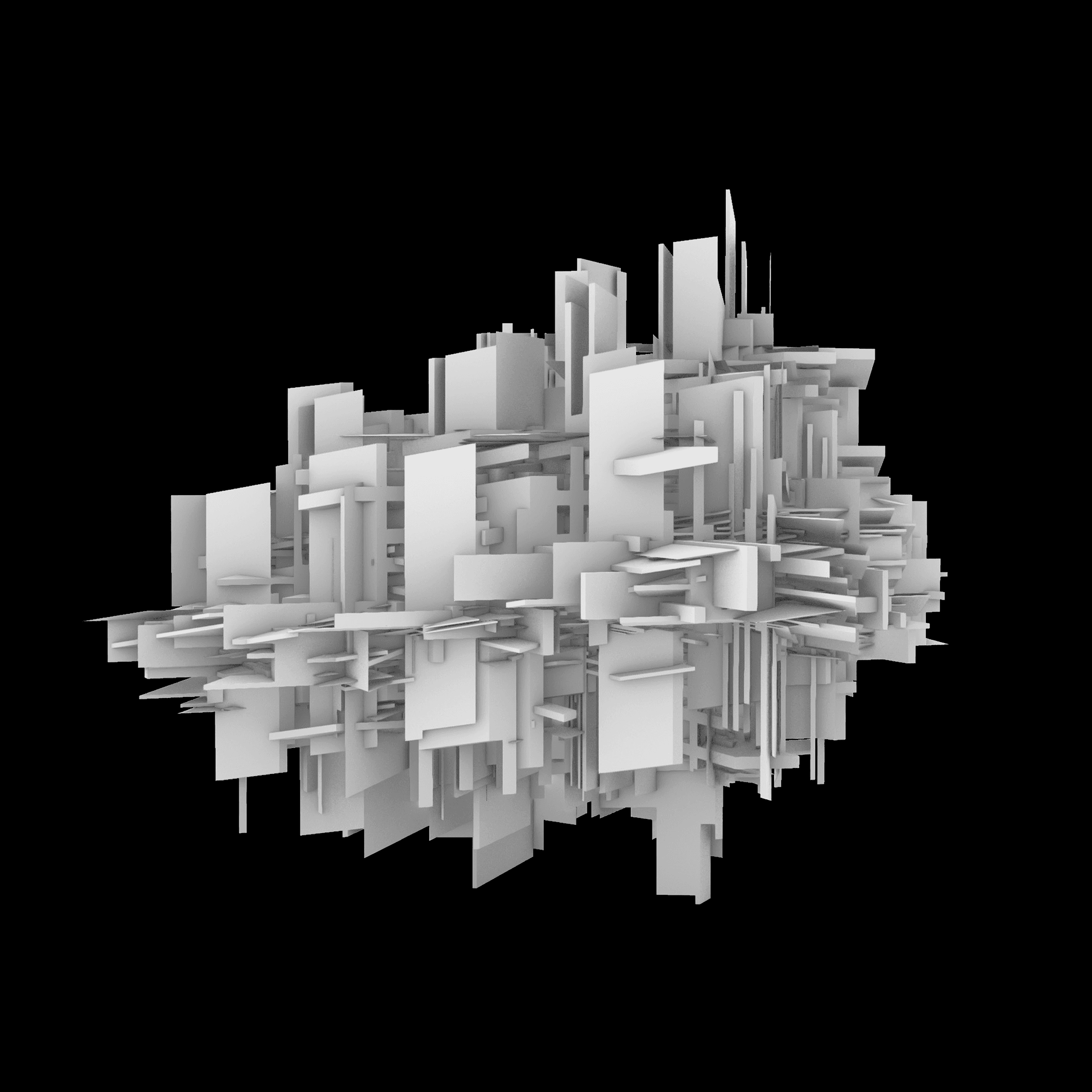
This project explores geometry as a modular field system, starting from the reinterpretation of the Salk Institute by Louis Kahn. The process begins with one or more surfaces that are subdivided into smaller components, creating a base module that can be selected, grouped, extruded, and repeated through conditional logic.
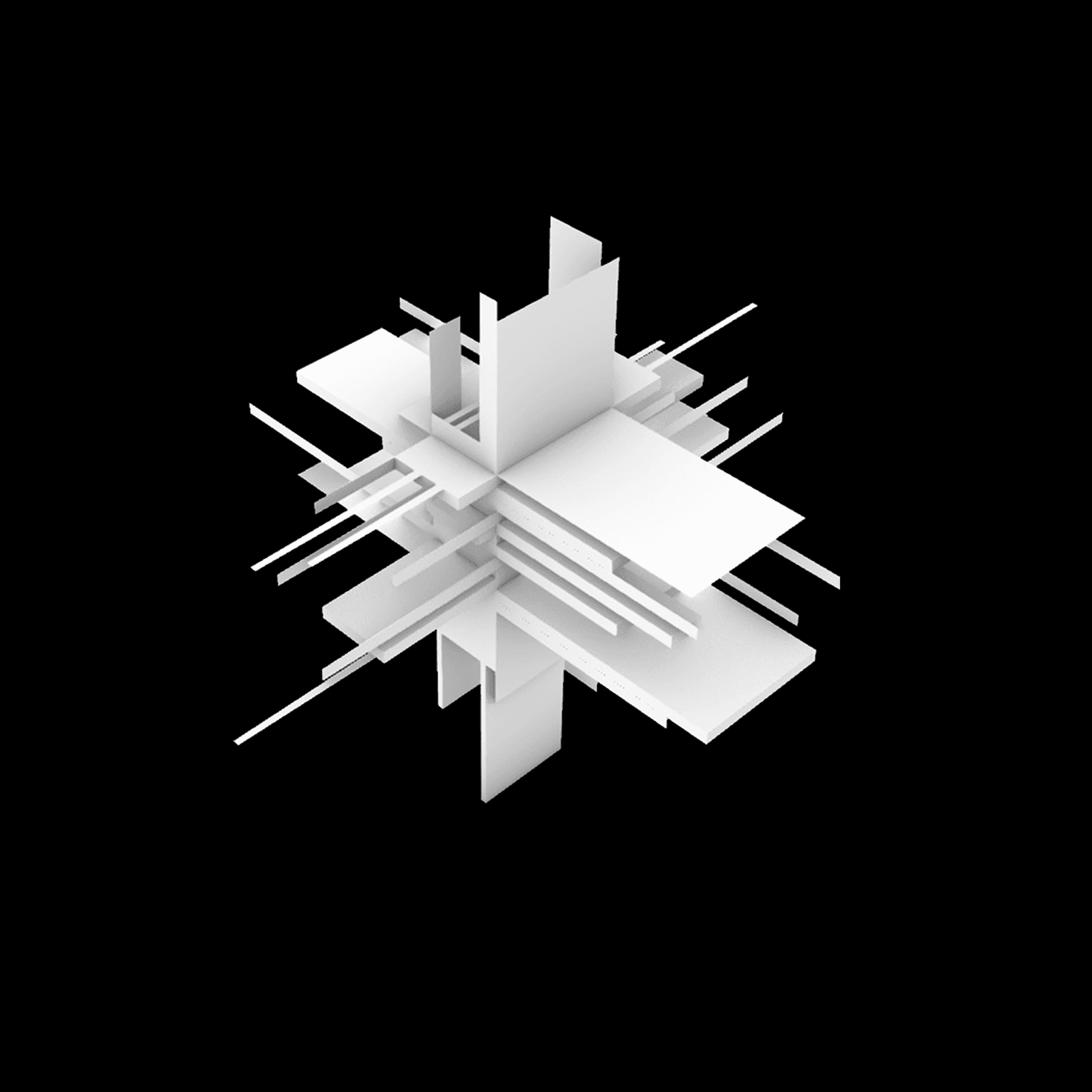
The result is a series of spatial compositions shaped by scale, repetition, density, and the relationship between solid and void. The work connects computational design with architectural ideas of order, purity, and modular harmony, referencing the spatial language of De Stijl while using code as the main generative tool.
Starting point
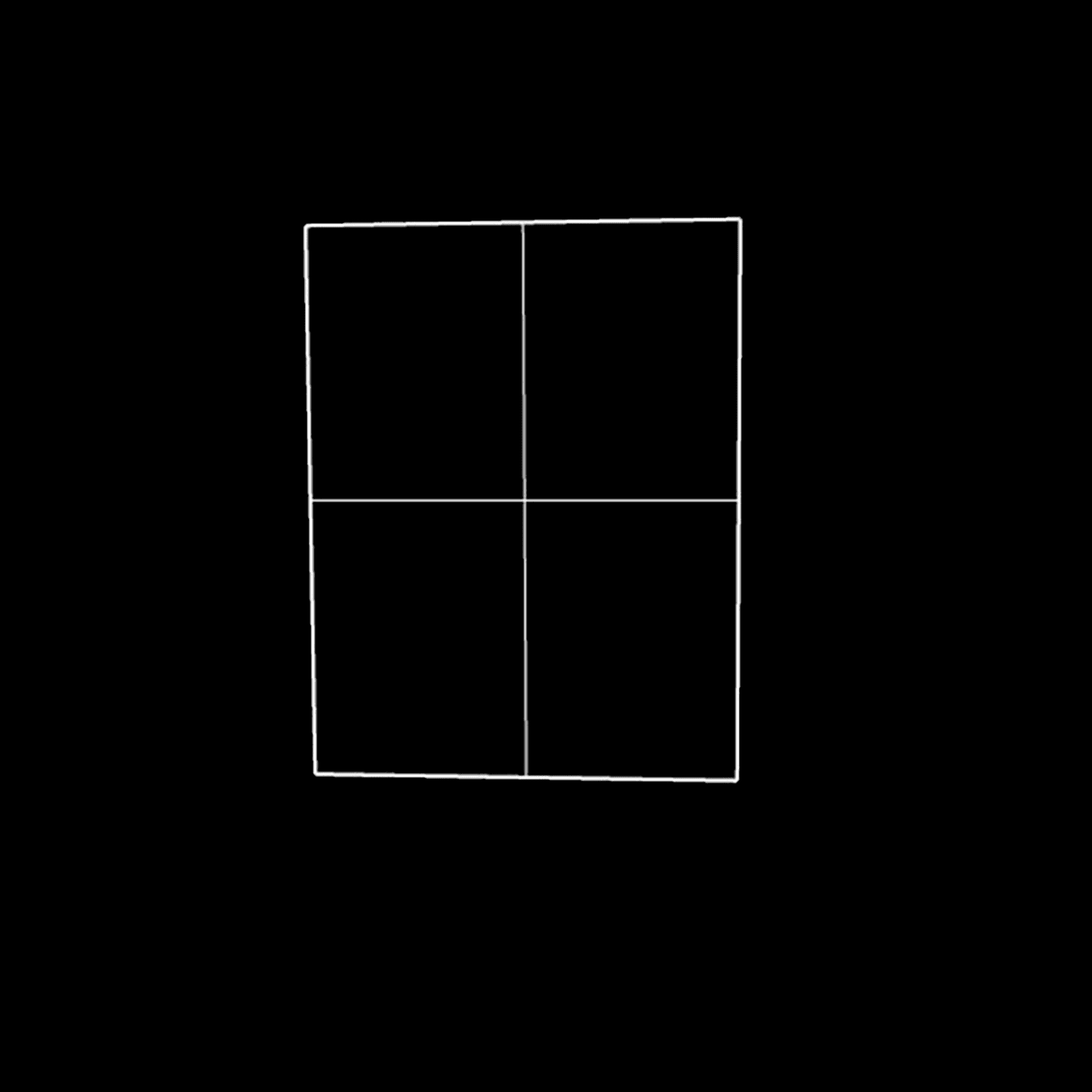
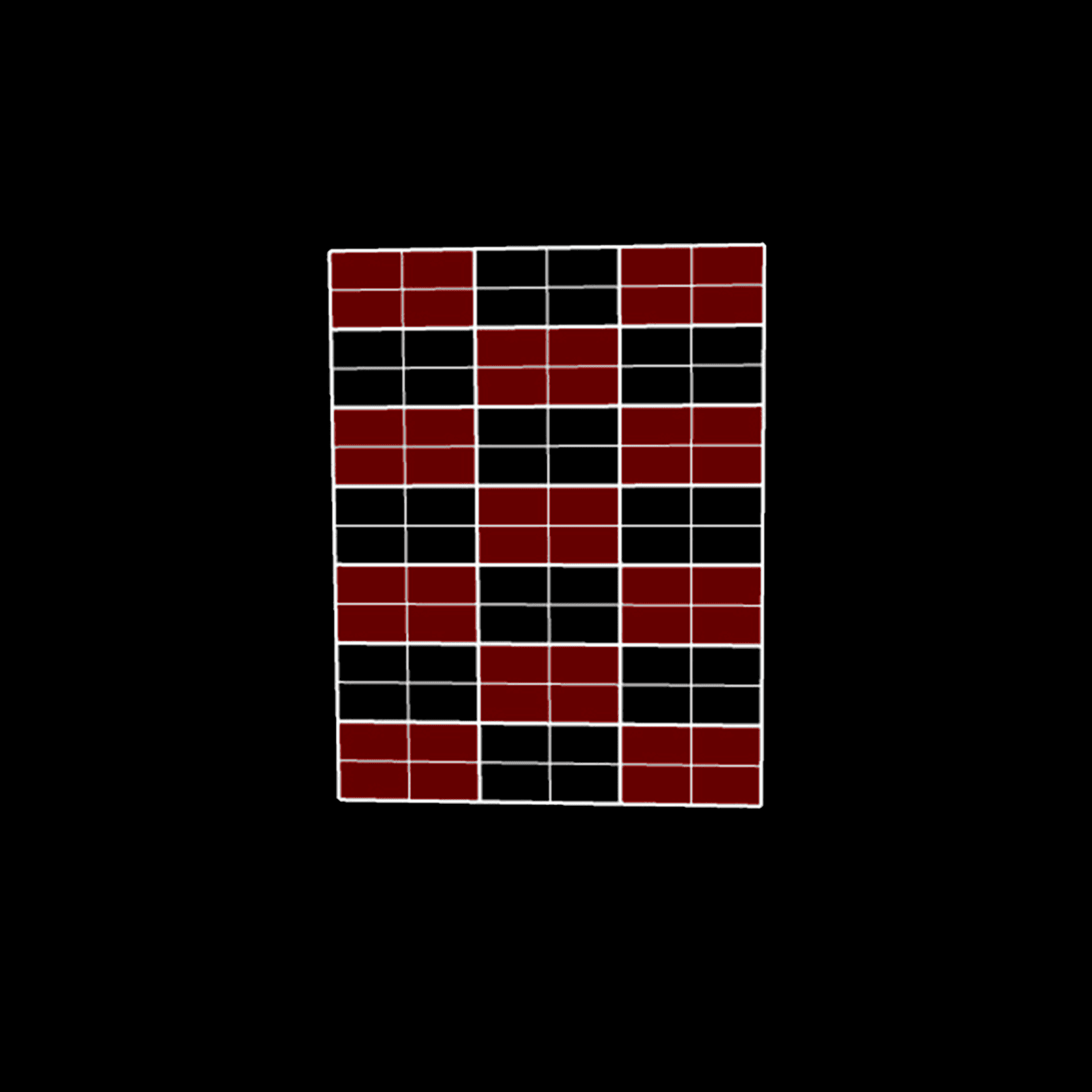
The project started with a simple surface subdivision strategy. Instead of modeling a final object directly, the system generated a field of possible cells. From that field, specific regions could be selected and transformed into modules, allowing the composition to grow from a controlled geometric rule.
Problem solving
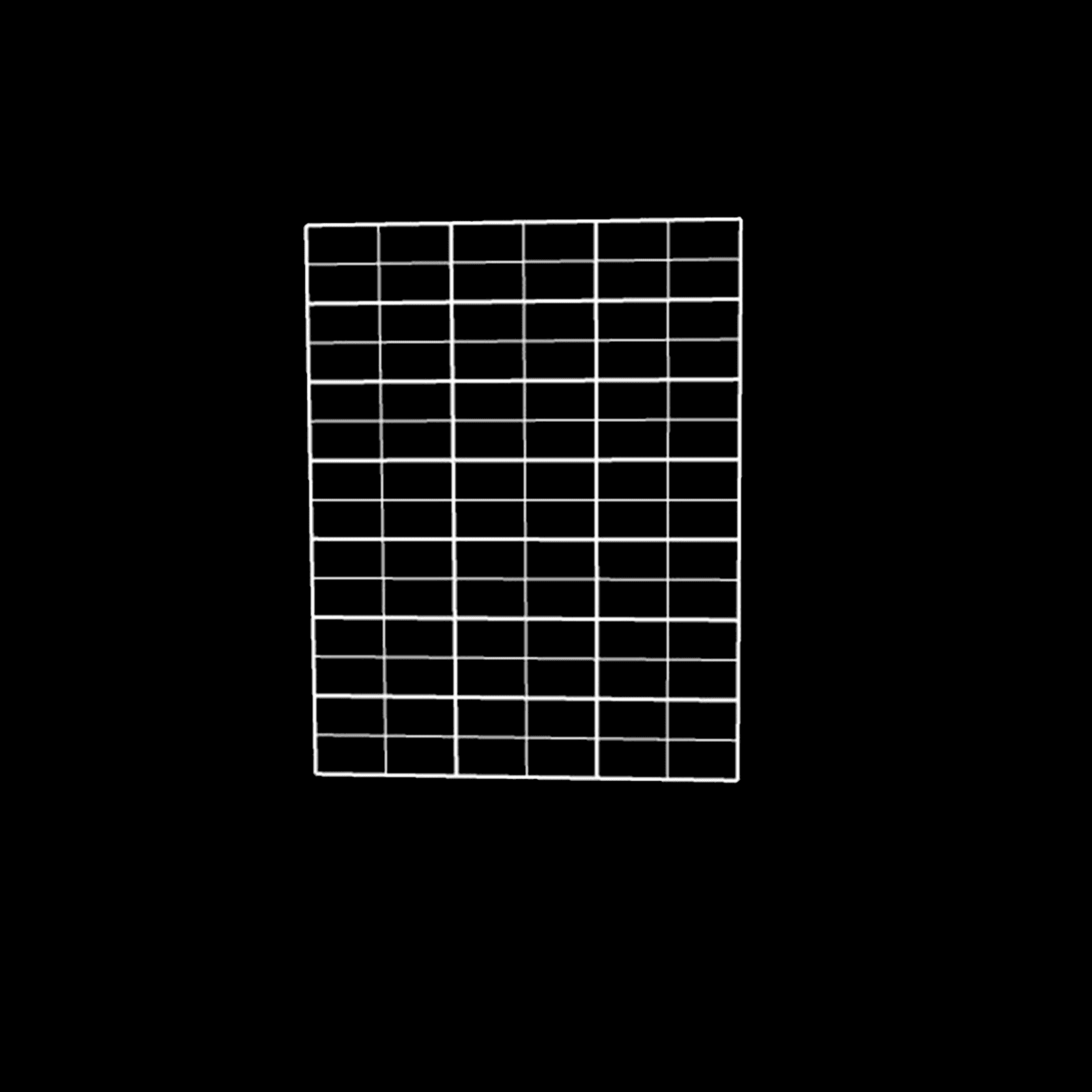
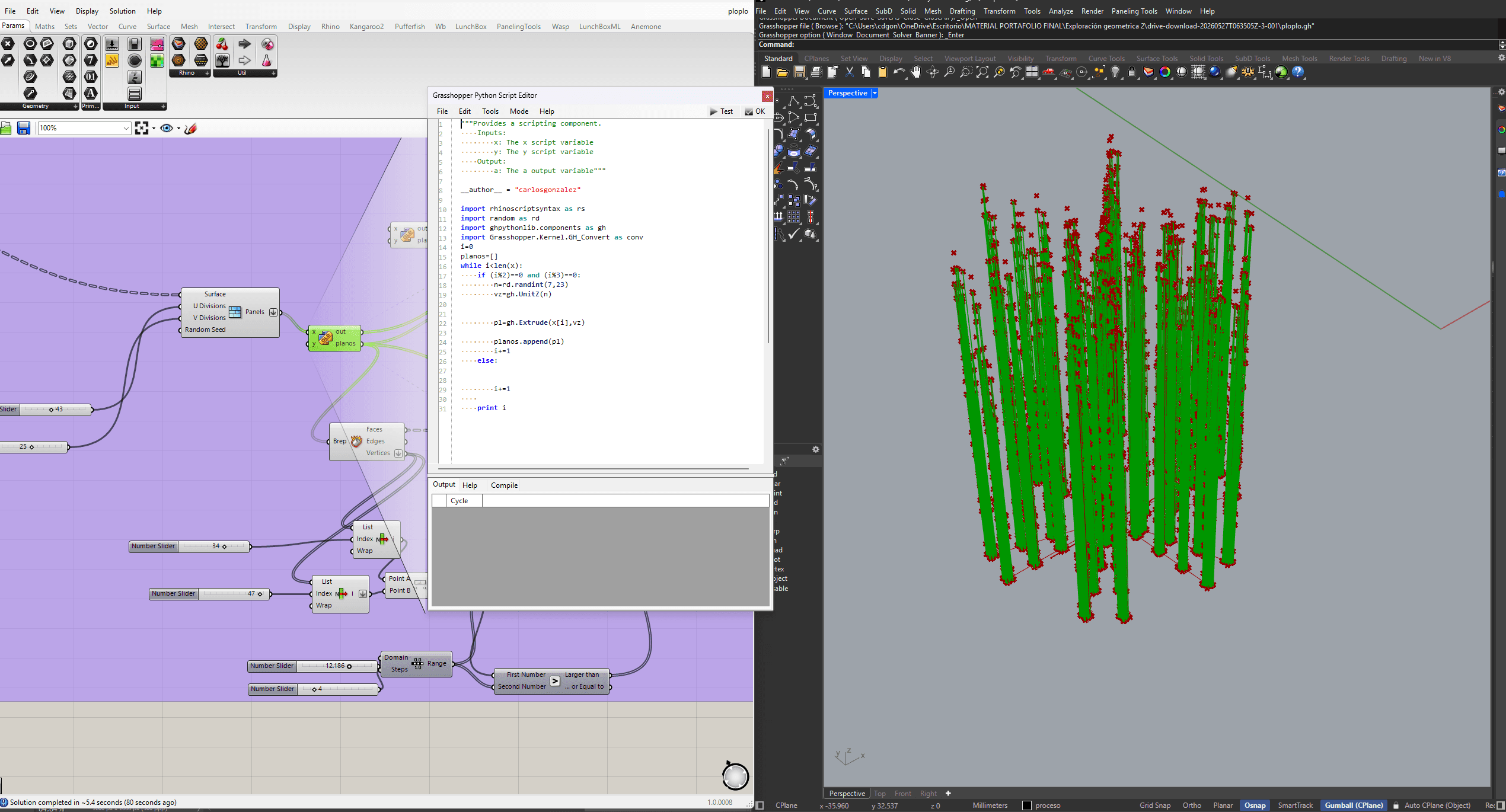
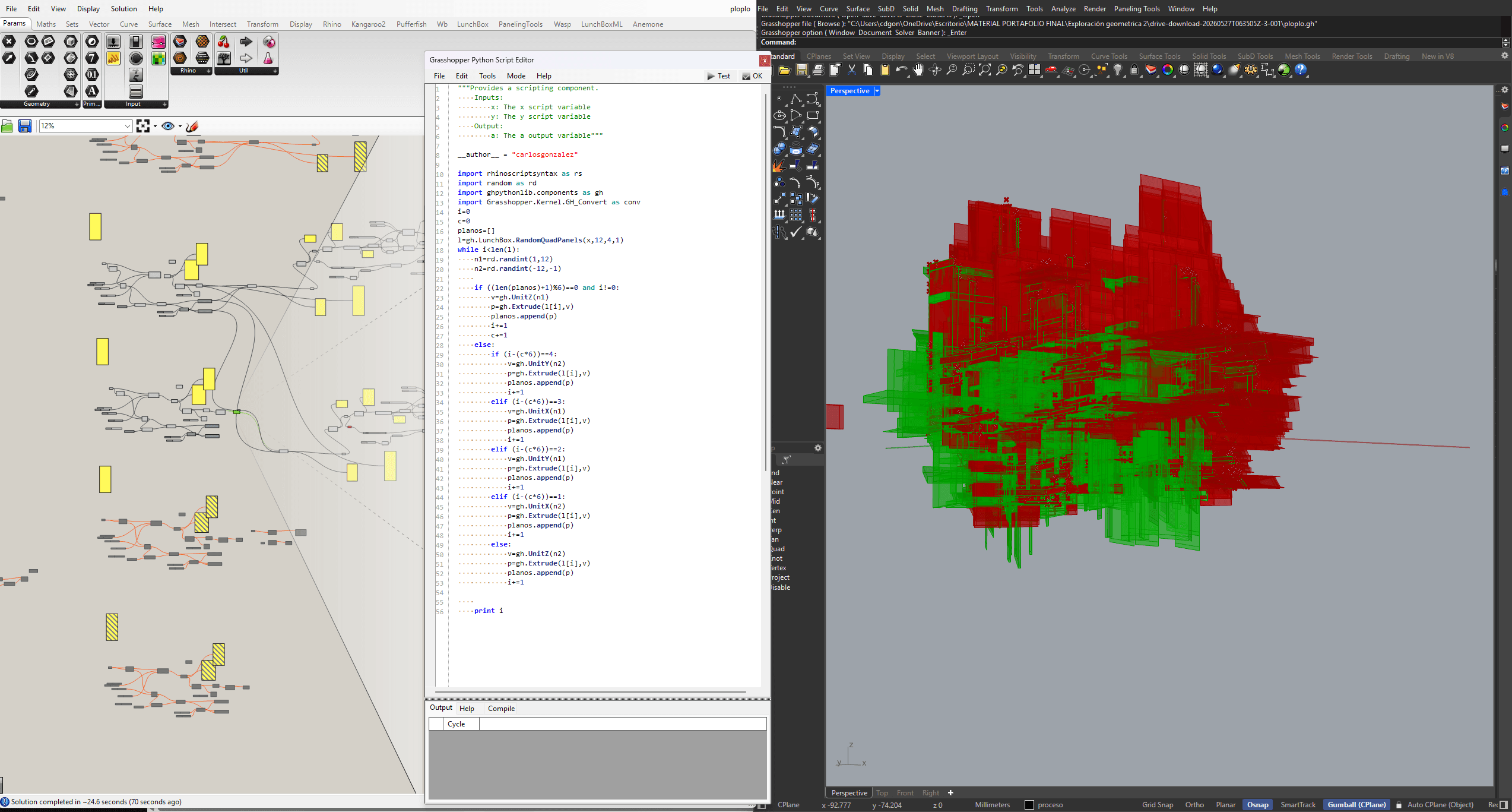
The main challenge was creating a system that could generate complexity without losing order. I developed a parametric workflow where surfaces were divided, filtered, and reorganized through conditional rules. Custom Python scripts inside Grasshopper helped manage lists, data trees, vectors, and the selection logic behind the modules.
Implementation
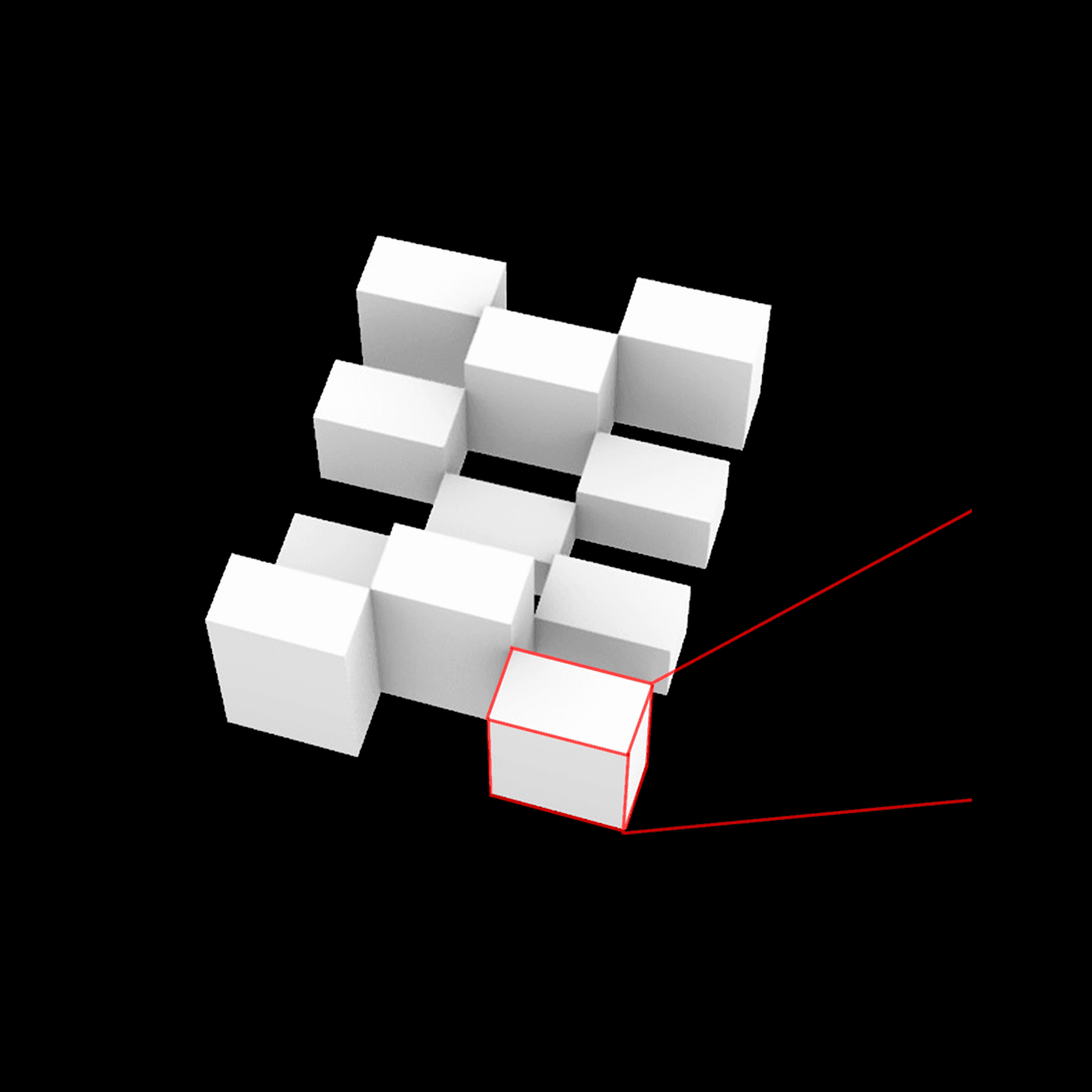
The system used Grasshopper as the visual framework and custom Python scripts to handle the computational logic behind the geometry. Selected cells were extruded along different axes, decomposed into faces, subdivided again, and then reused as new inputs for additional growth.
This recursive process allowed the model to move from a flat grid to a dense spatial structure while maintaining a clear relationship between the original surface and the final volume.
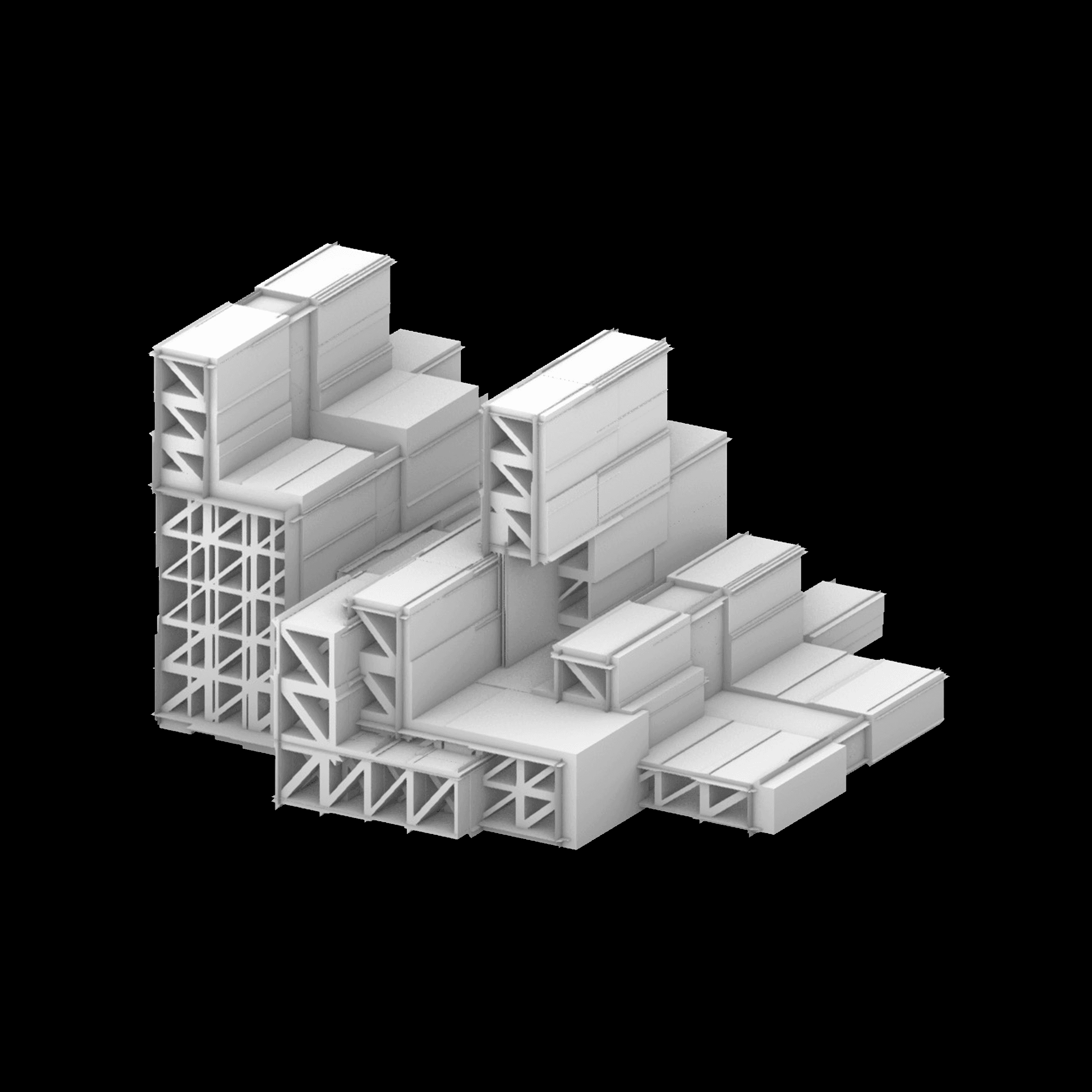
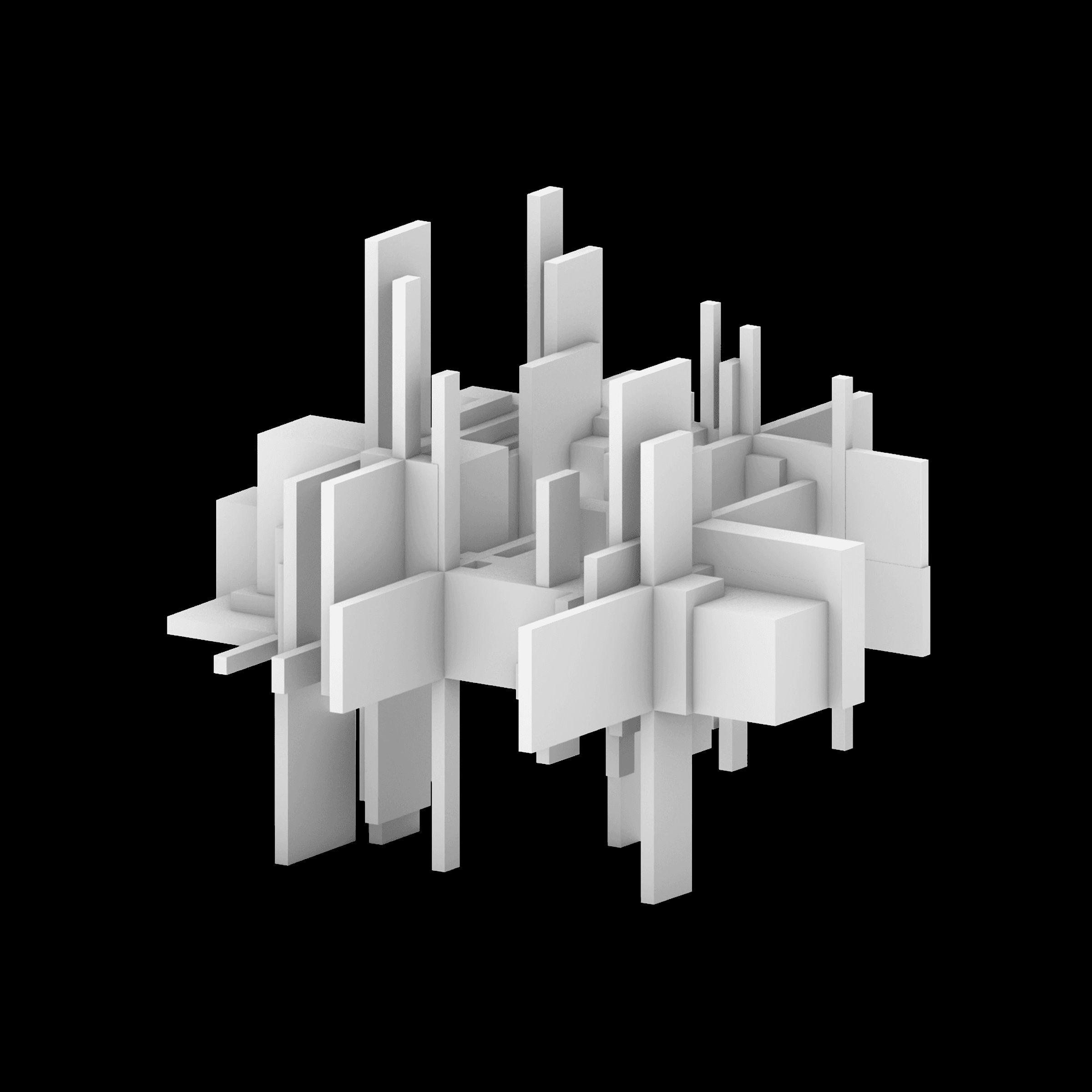
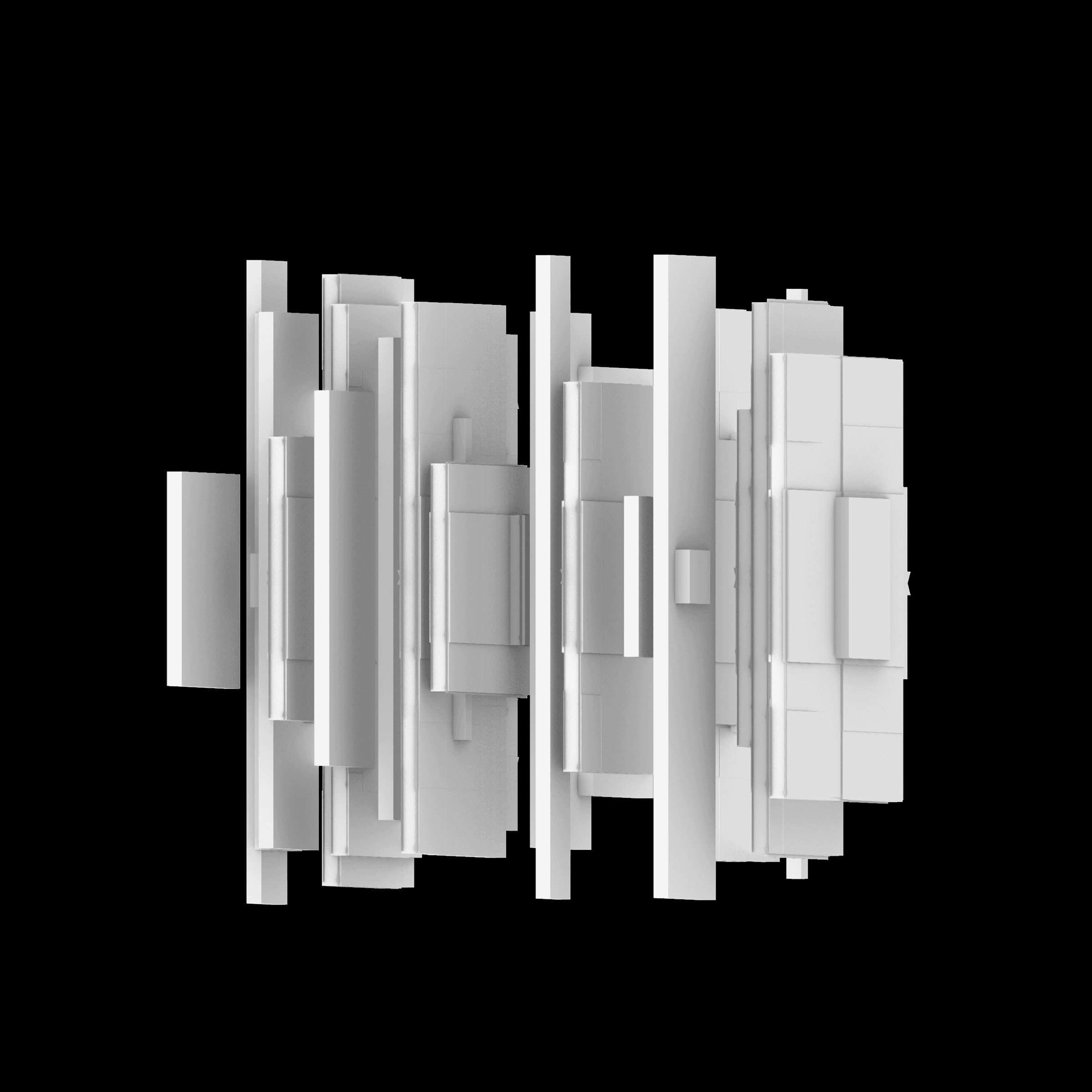
Results
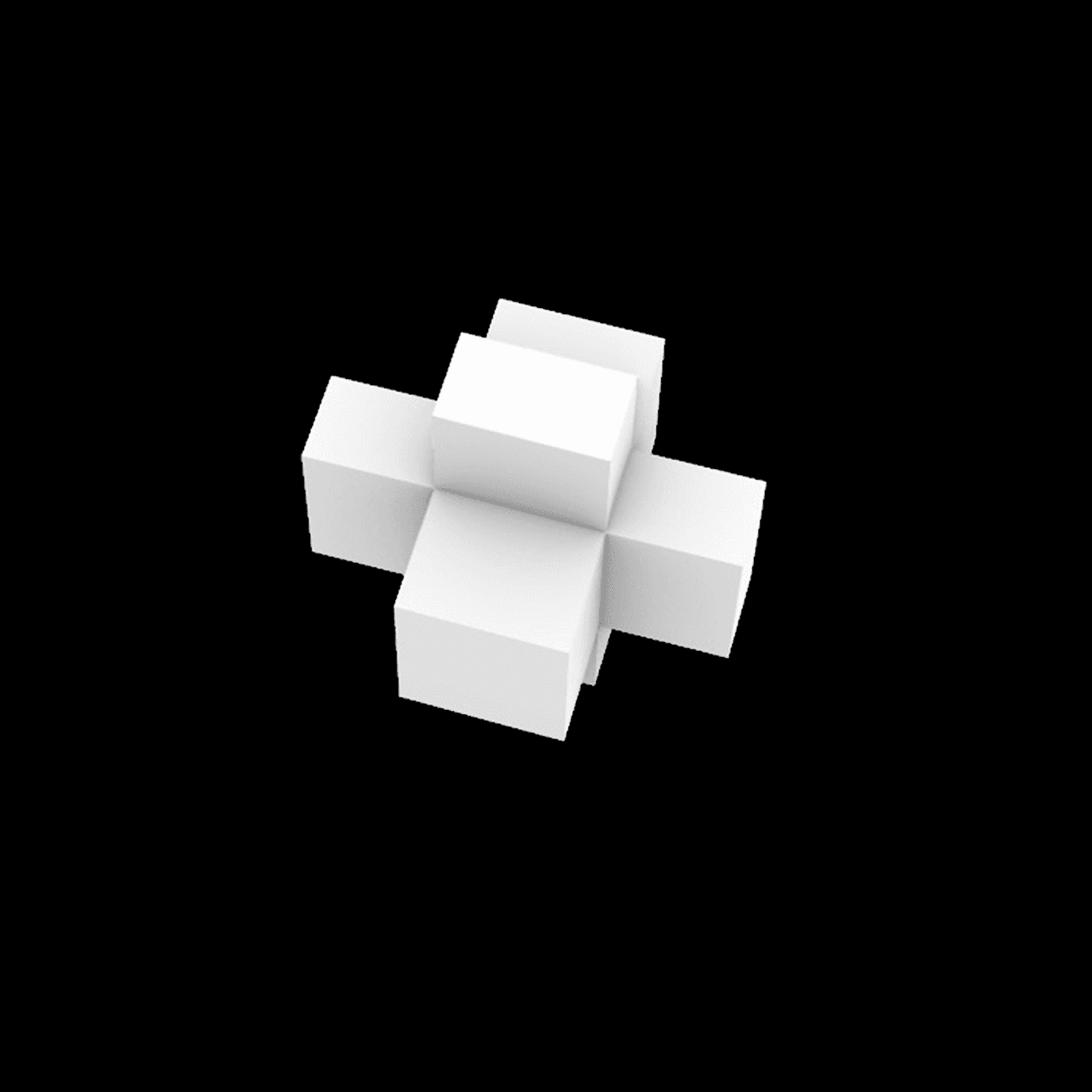
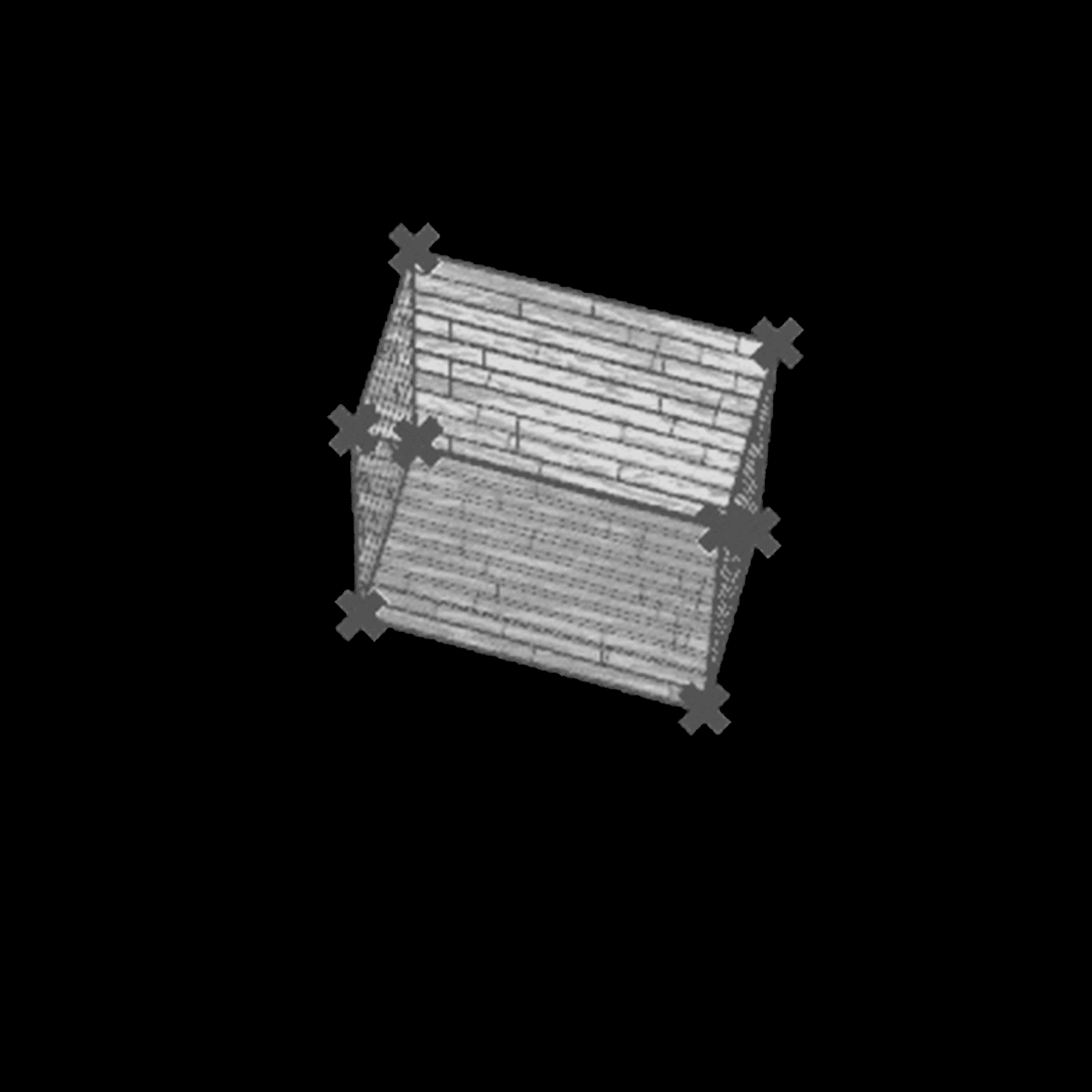
The final result is a family of geometric studies where architectural mass is generated through repetition, subdivision, and conditional growth. The project shows how a simple base rule can produce multiple spatial outcomes, from clean modular blocks to complex layered compositions.