Teo Wander - Oasis
Client:
Teo Wander
Industry:
Music / Art Direction / Visual Identity
Start:
End:
Duration:
1 month
Read time:
3 min
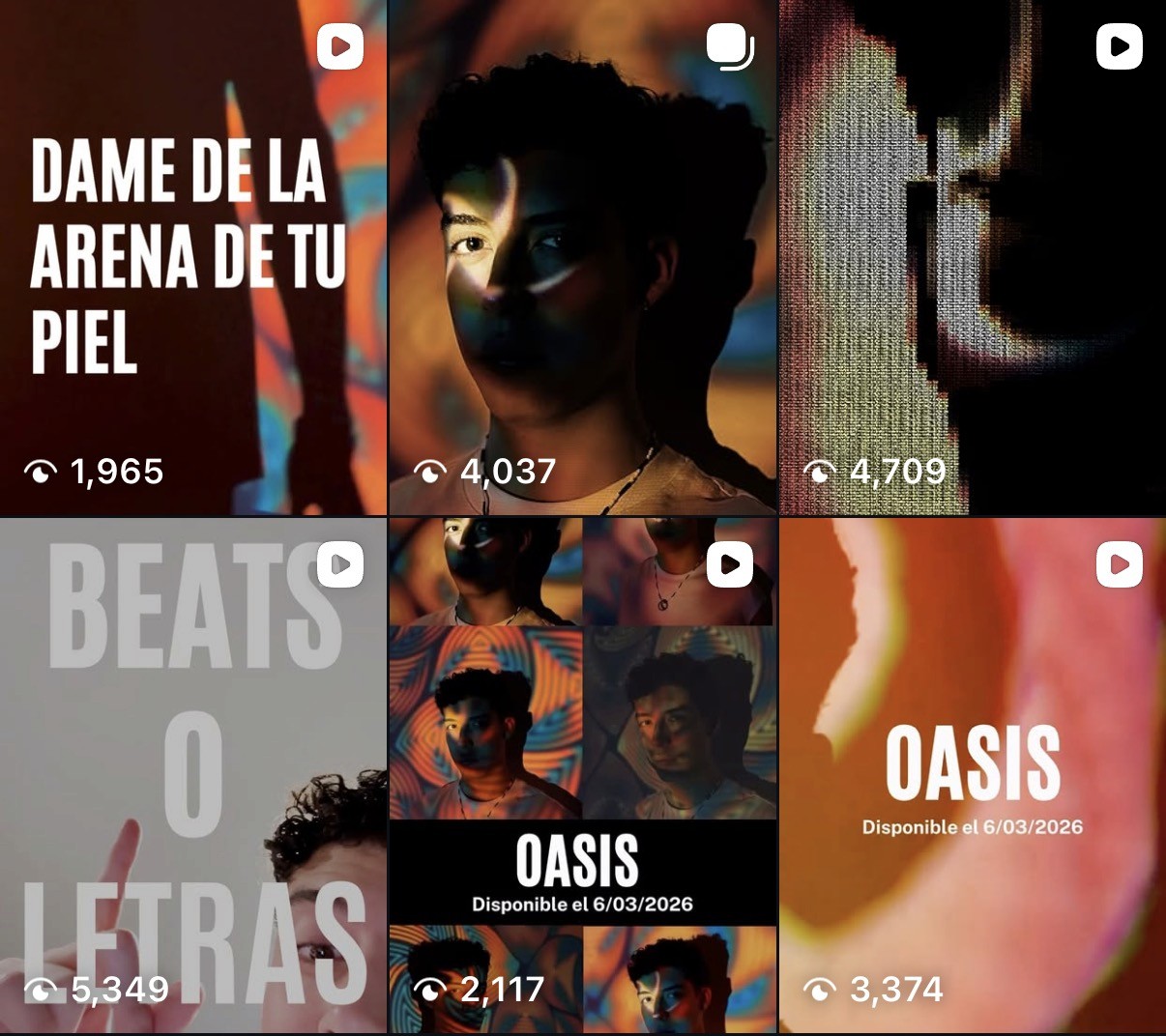
For Teo Wander’s first single, “Oasis,” we developed the art direction together with Mariana González through our creative studio Glez & Glez. The project included the cover artwork, Spotify Canvas, and promotional video pieces for the release.
The visual concept explored the idea of an oasis as something intimate and hidden, connected to the person who inspired the song.
Starting point
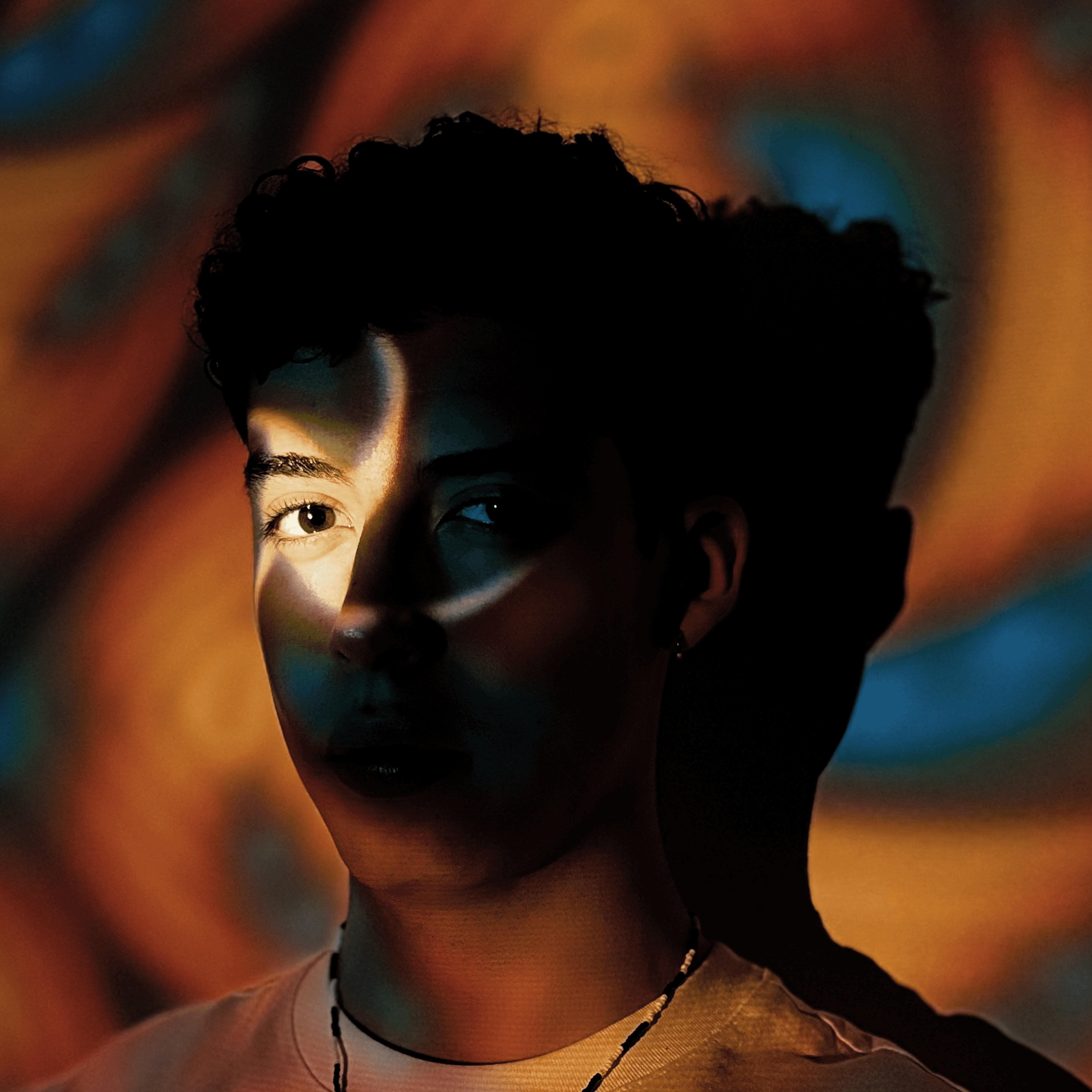
The song needed a visual world that felt emotional, mysterious, and personal without becoming too literal. Instead of representing an oasis as a landscape, we wanted to place it inside the gaze, as if the emotional center of the song was hidden in the eye.
This led us to work with projection, light, and computational graphics as the main visual language.
Problem solving
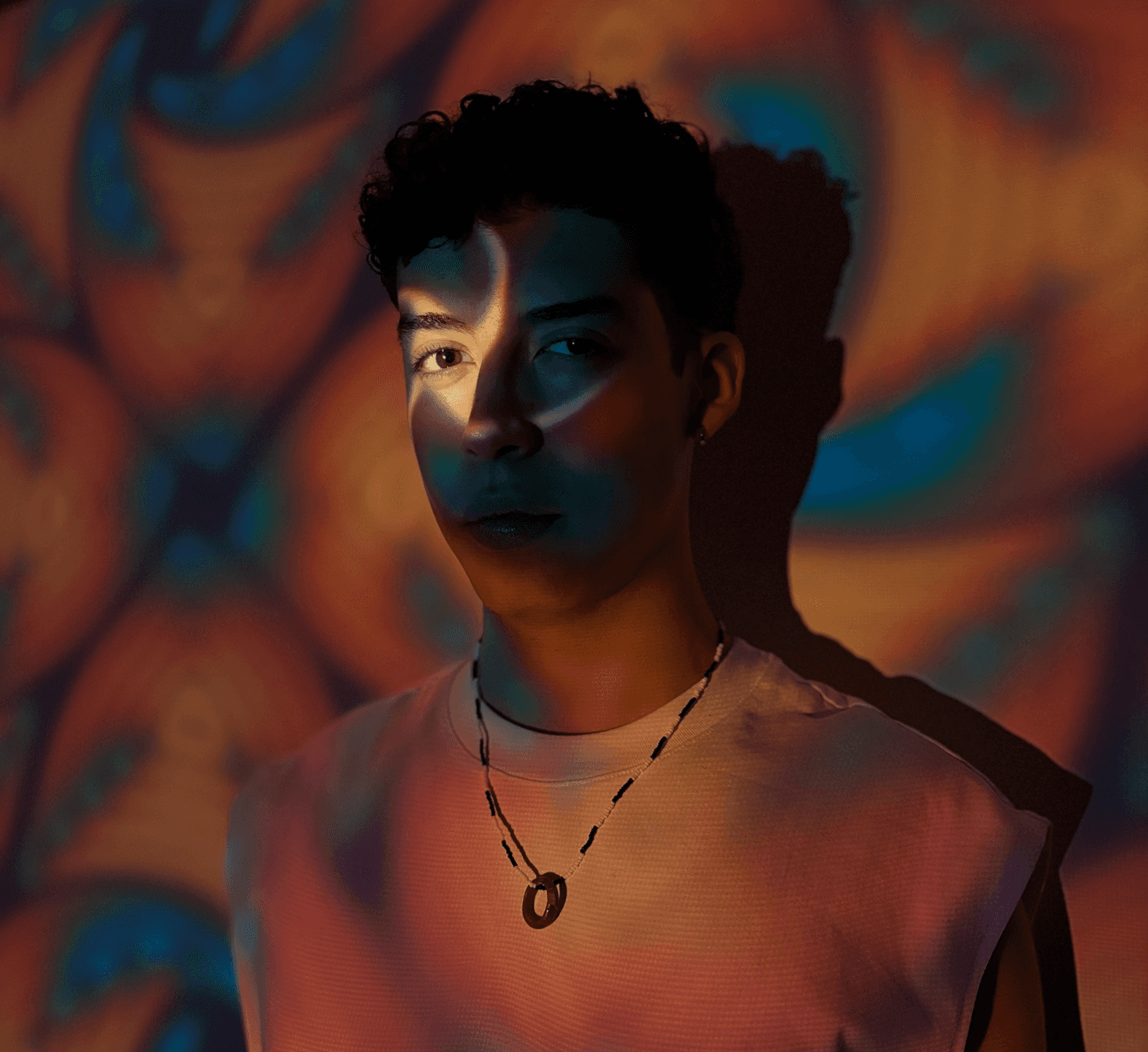
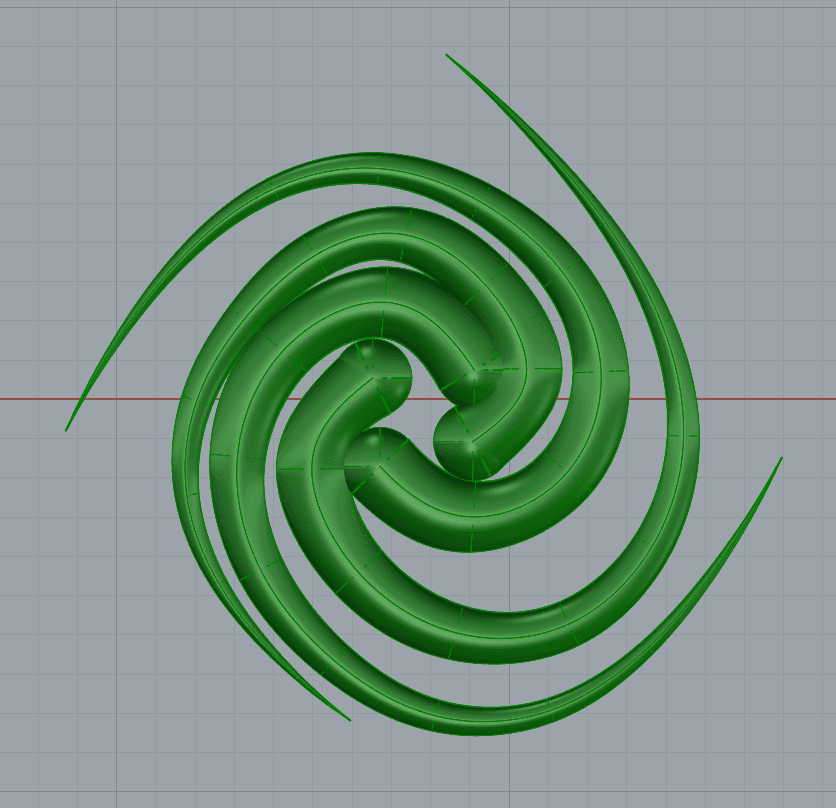
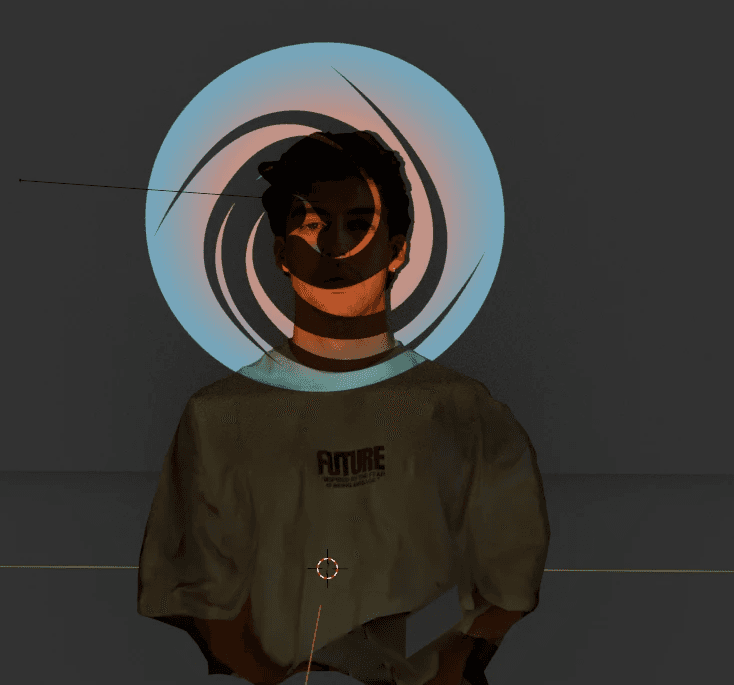
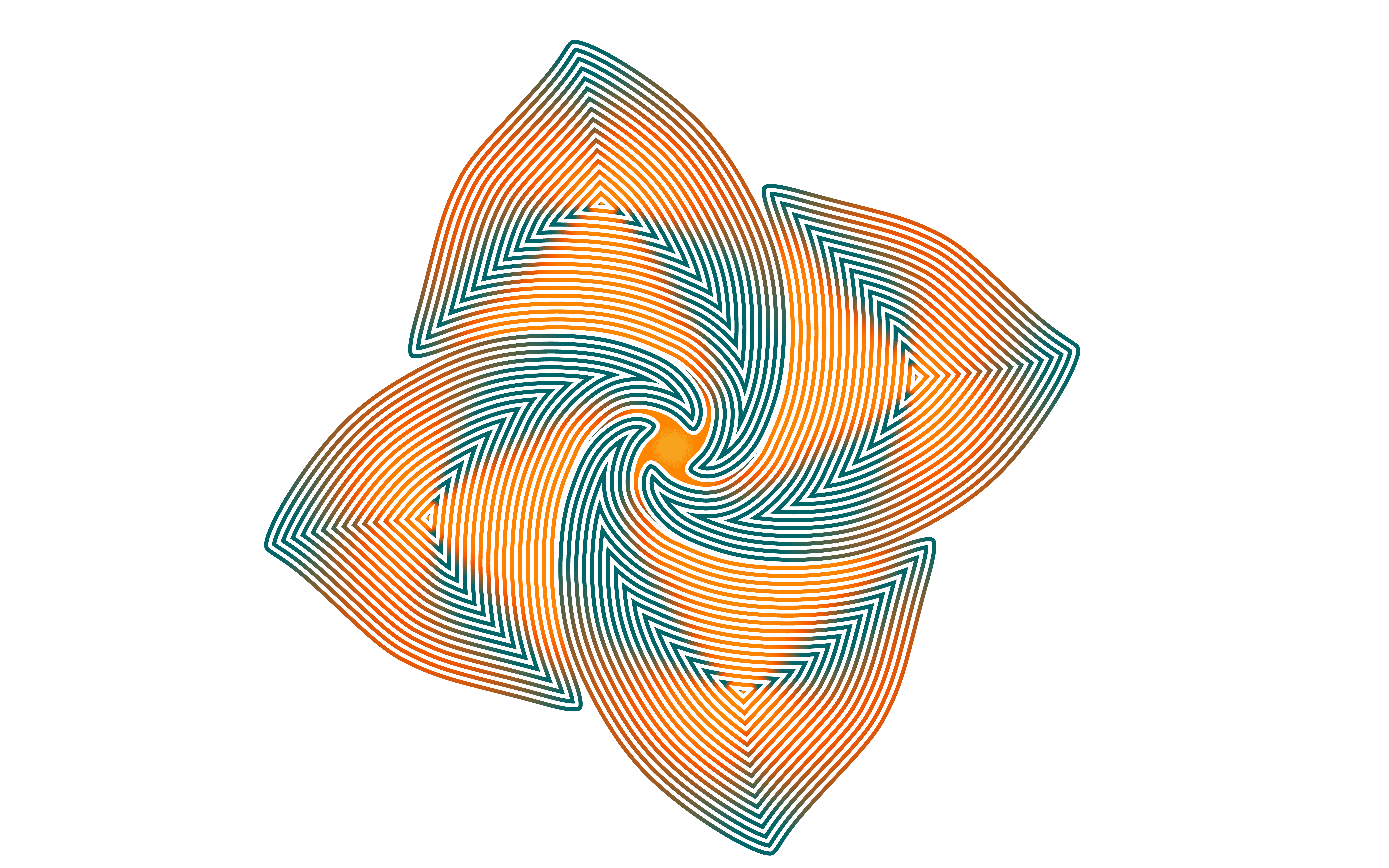
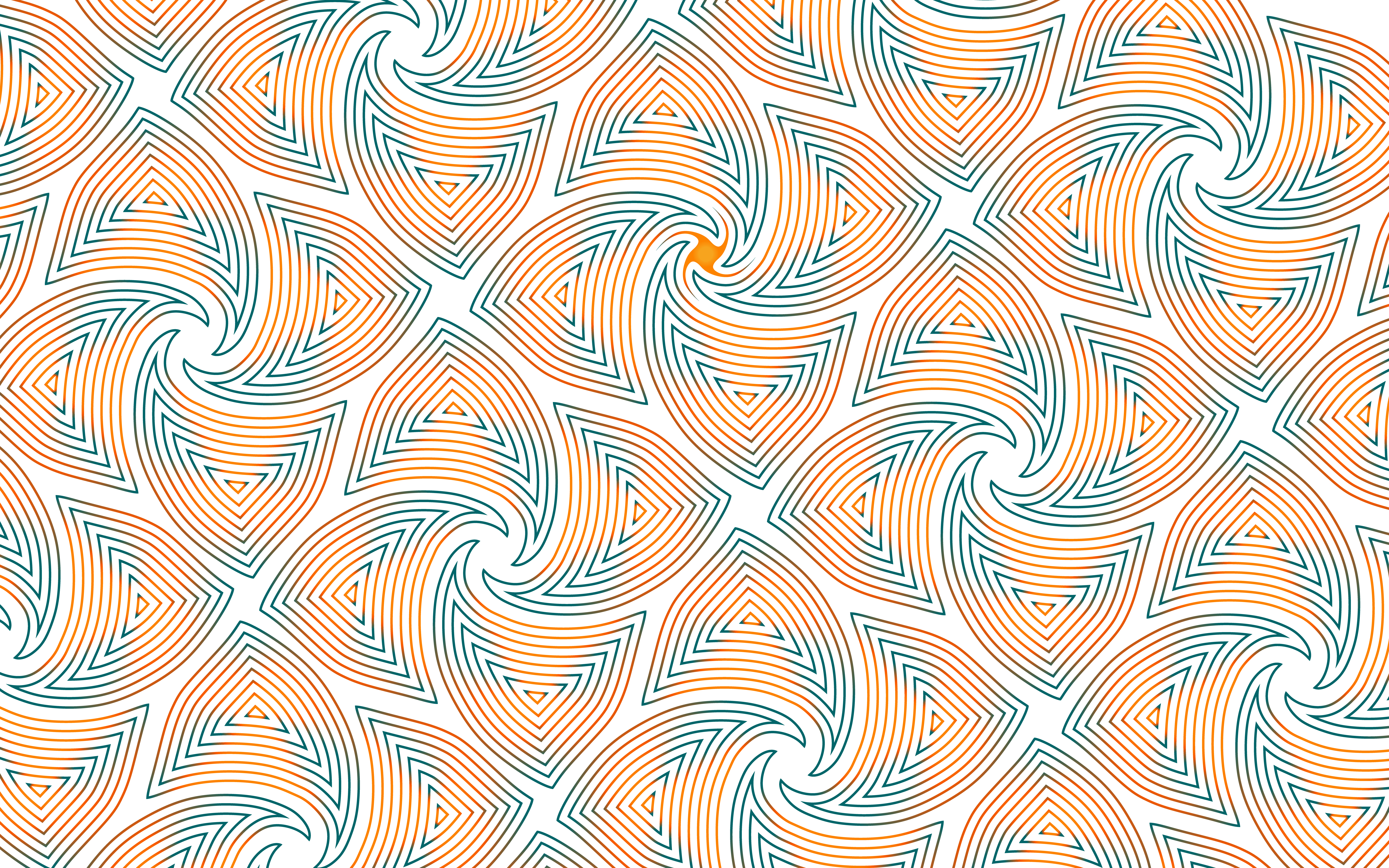
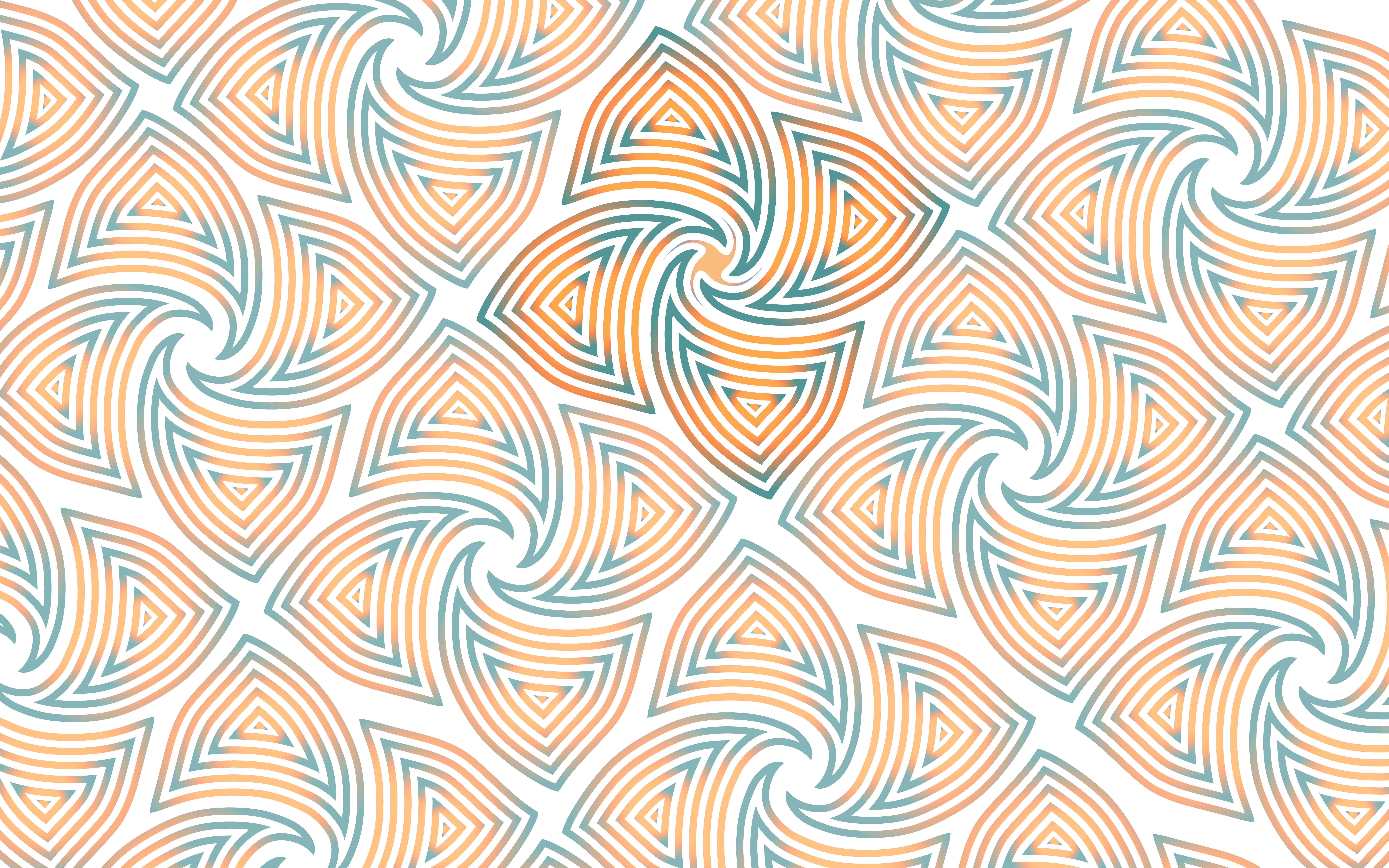
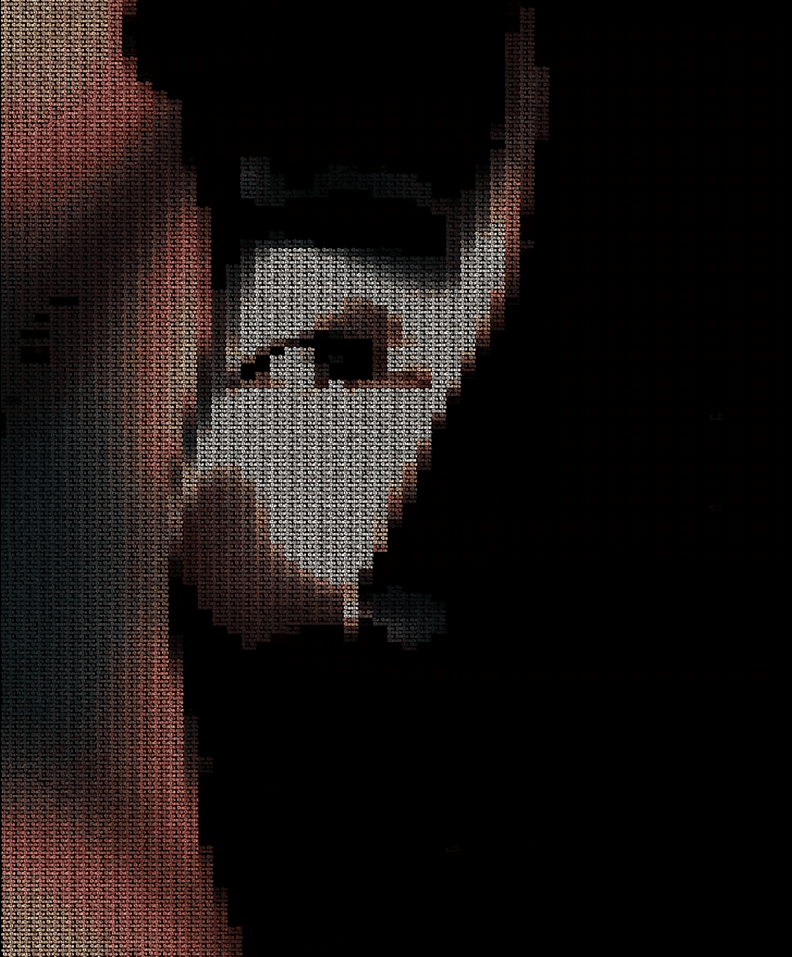
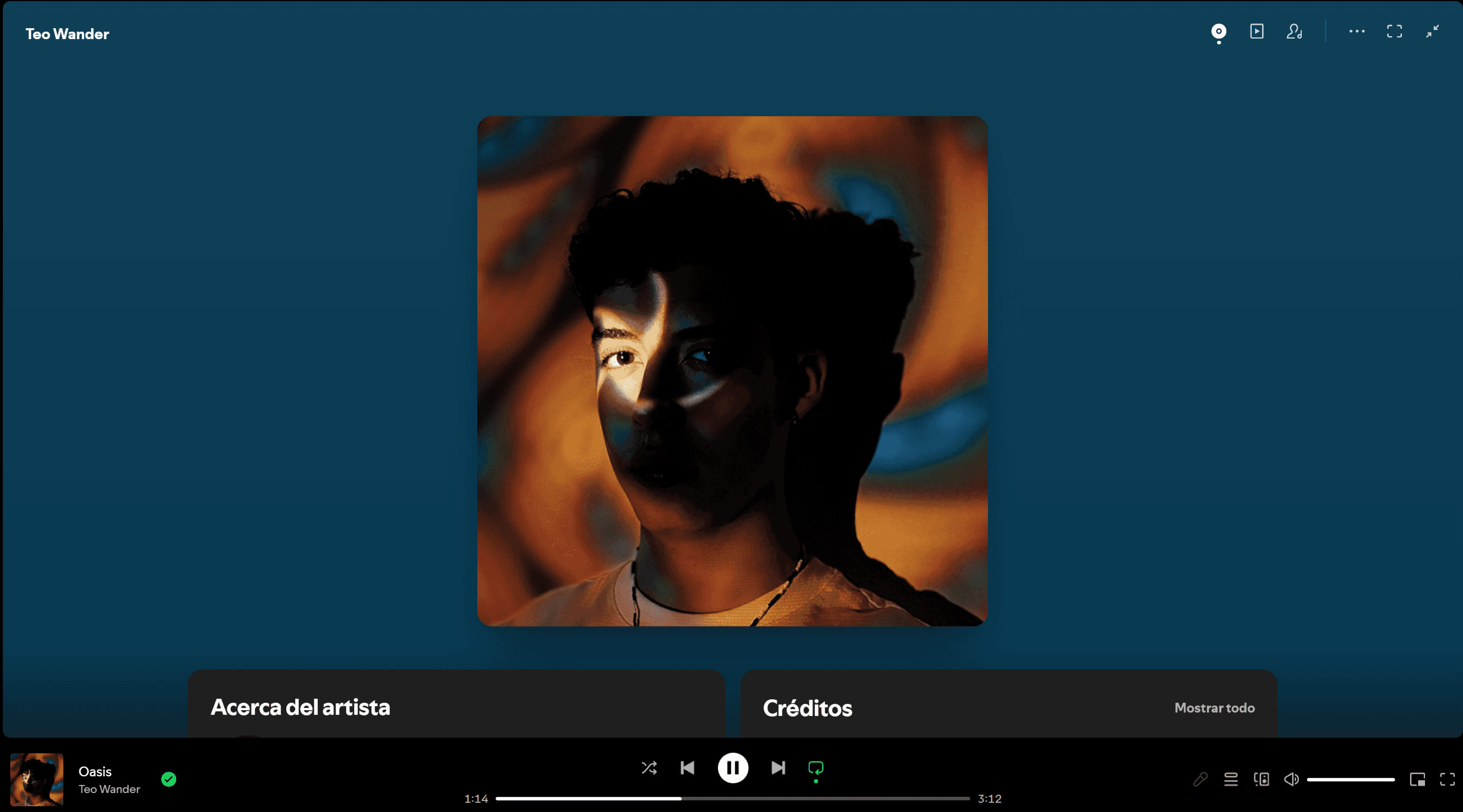
For the cover artwork, we created a parametric visual pattern and projected it onto Teo Wander’s face using a video beam. The brightest point of the projection was carefully aligned with his eye, reinforcing the idea that the “oasis” lives inside the gaze of the woman the song was written for.
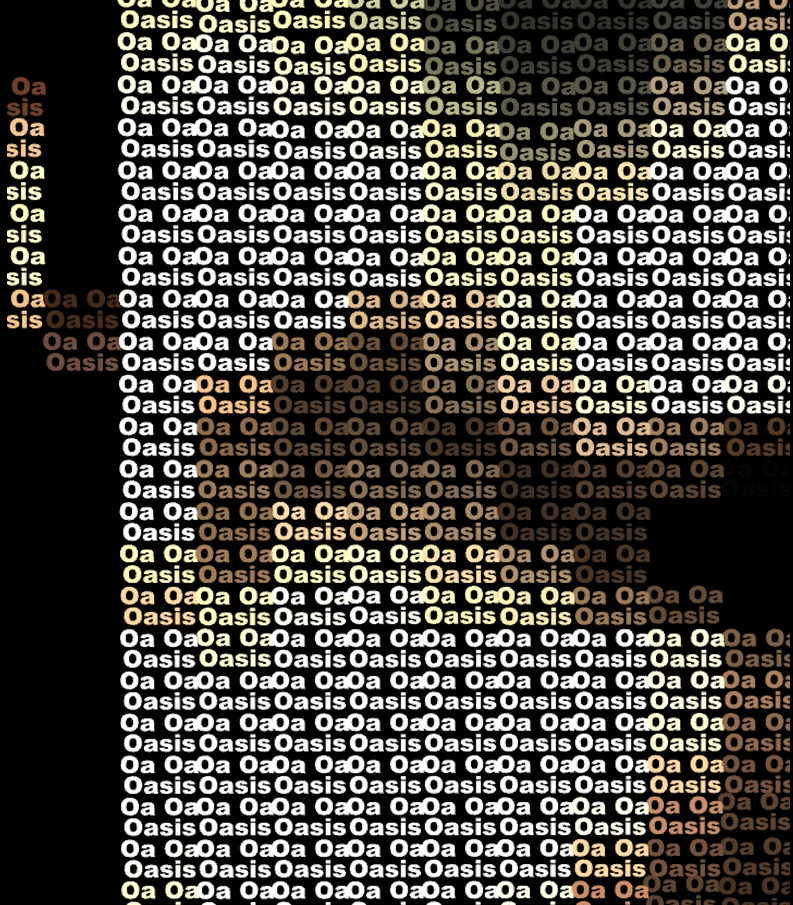
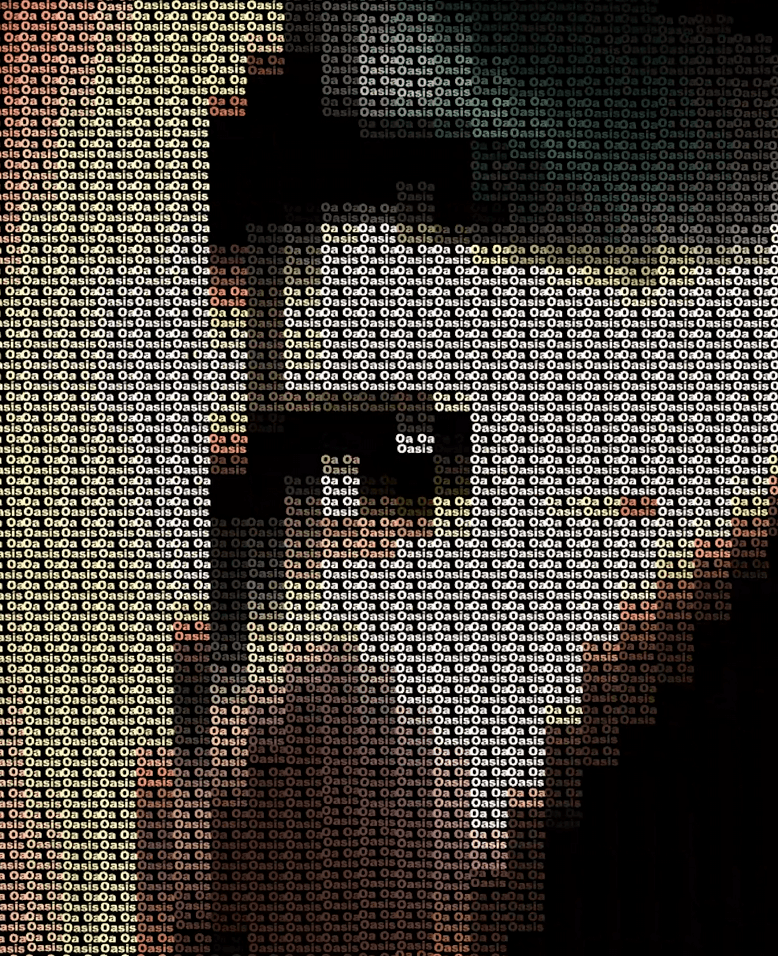
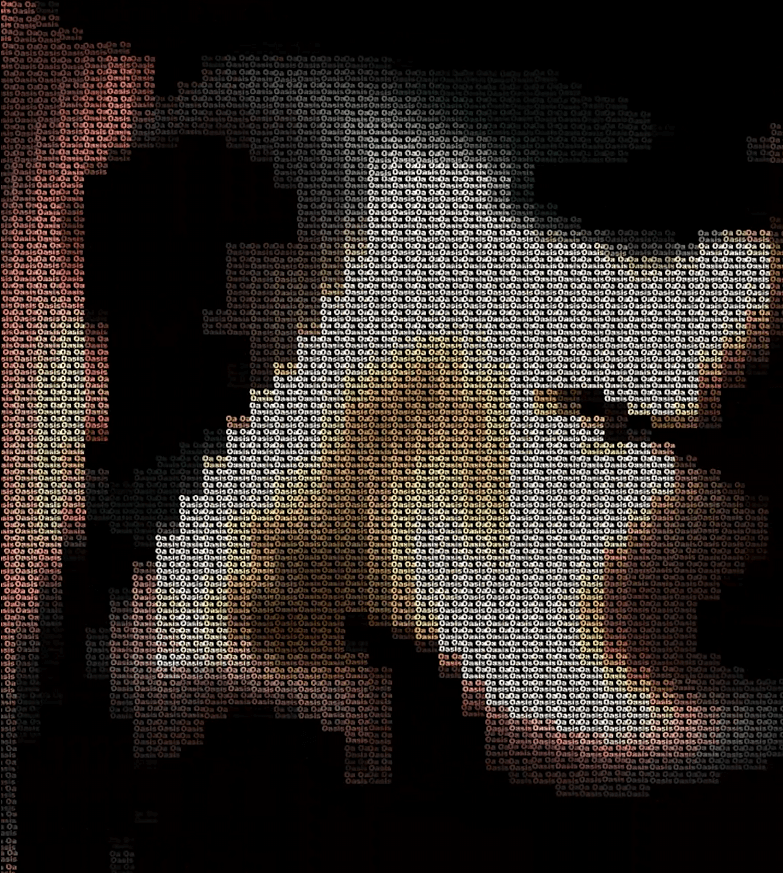
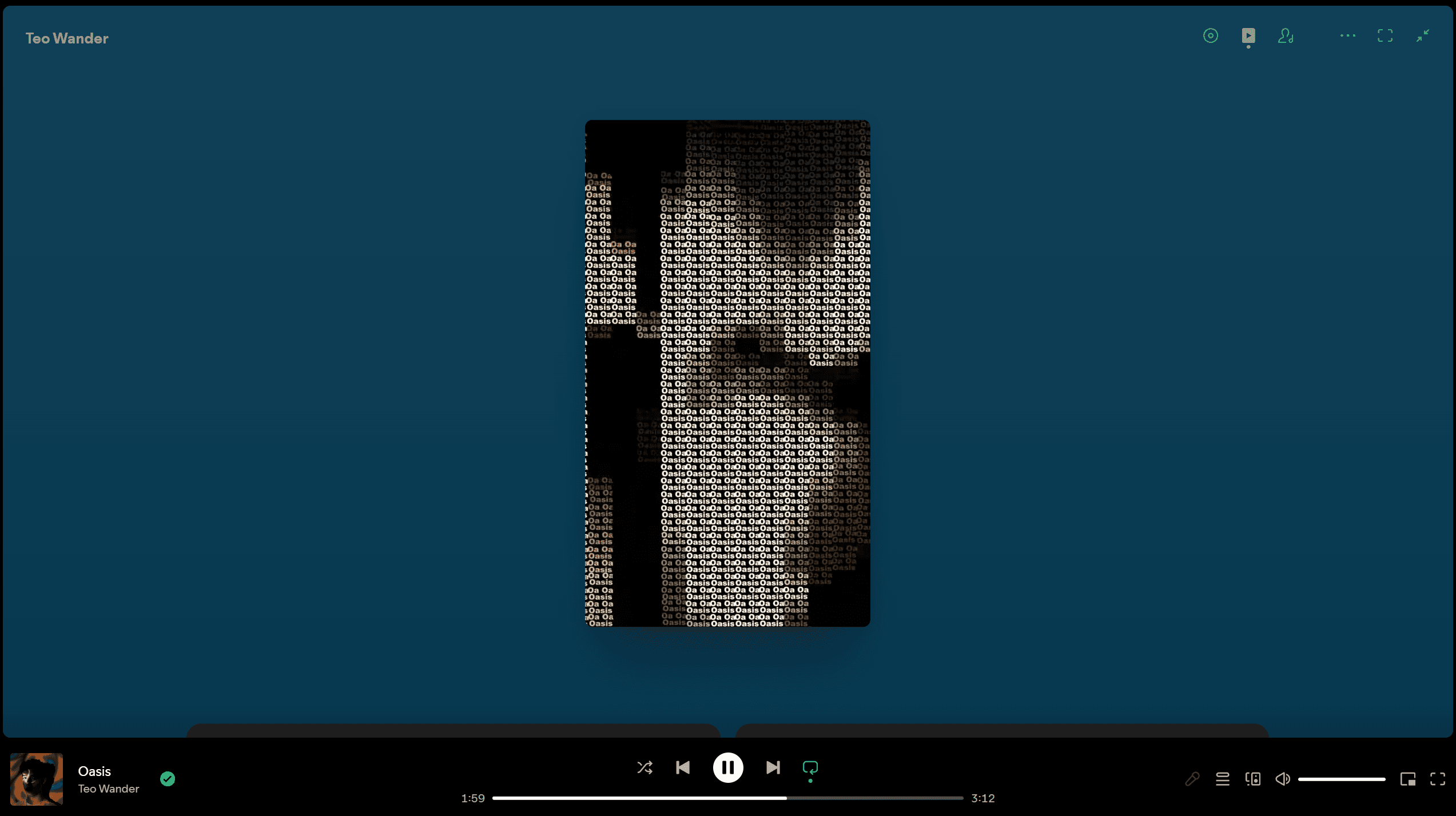
For the promotional video, we developed a parametric text-based visual system inspired by ASCII art. Instead of replacing pixels with random characters, the image was reconstructed using the word “OASIS”, with each letter taking the color value of the original pixel. This created a moving visual texture where the song title became the image itself.
Implementation
The final release package included cover artwork, Spotify Canvas, and short promotional videos. The workflow combined art direction, projection mapping, parametric design, video editing, and music-release visual strategy.
The result was a cohesive visual identity that connected the emotional meaning of the song with a computational and cinematic aesthetic.
Results
The project gave “Oasis” a strong first visual identity for Teo Wander’s debut release. It balanced intimacy and digital experimentation, using parametric visuals not only as decoration but as a storytelling tool.
The cover and videos helped define the first visual language of the artist: emotional, futuristic, sensitive, and visually crafted.