Carlos Vives Tour Announcement Cabin
Client:
8 de Diamantes
Industry:
Live Production / Experiential Design
Start:
End:
Duration:
11 days
Read time:
4 min
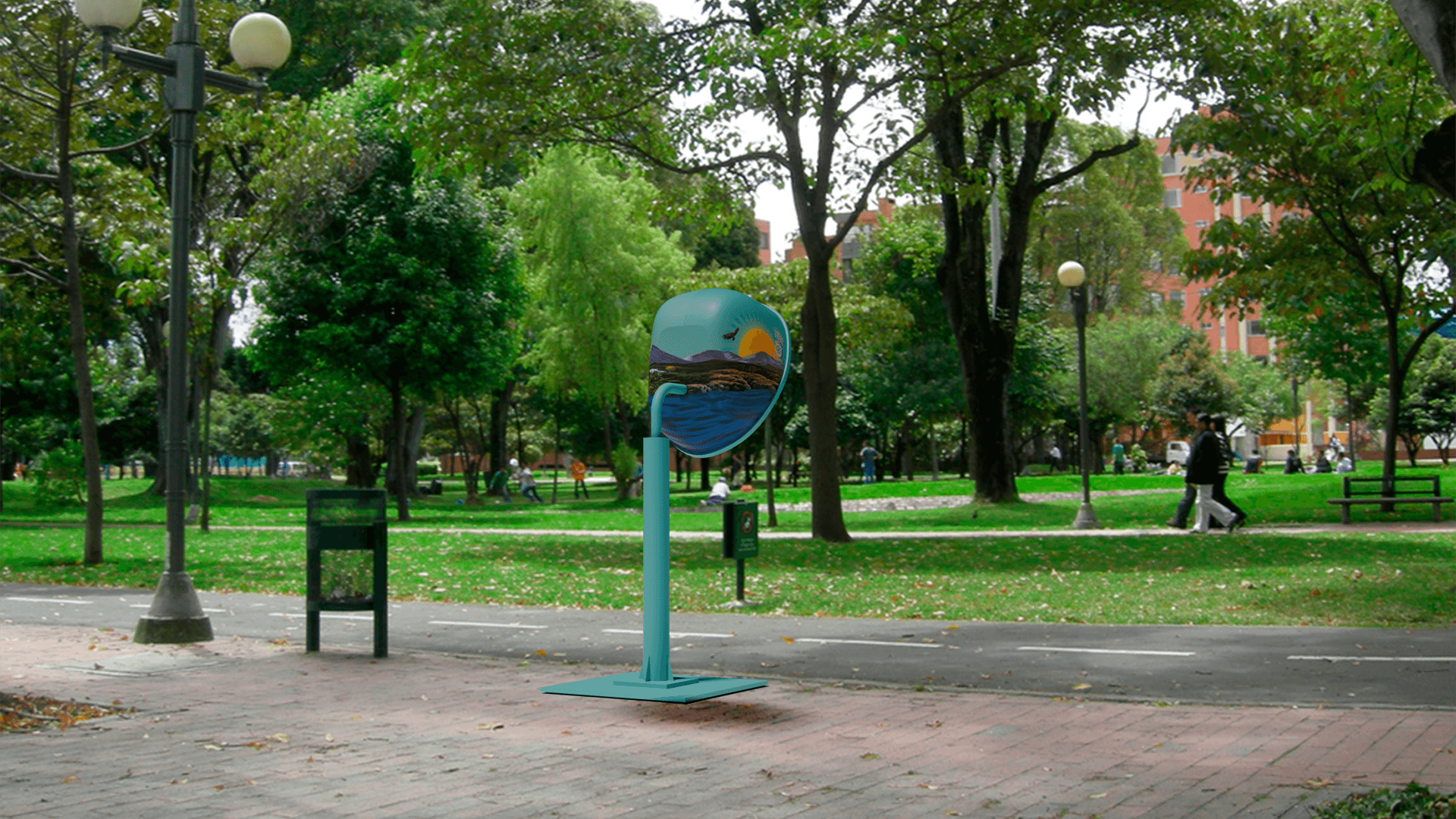
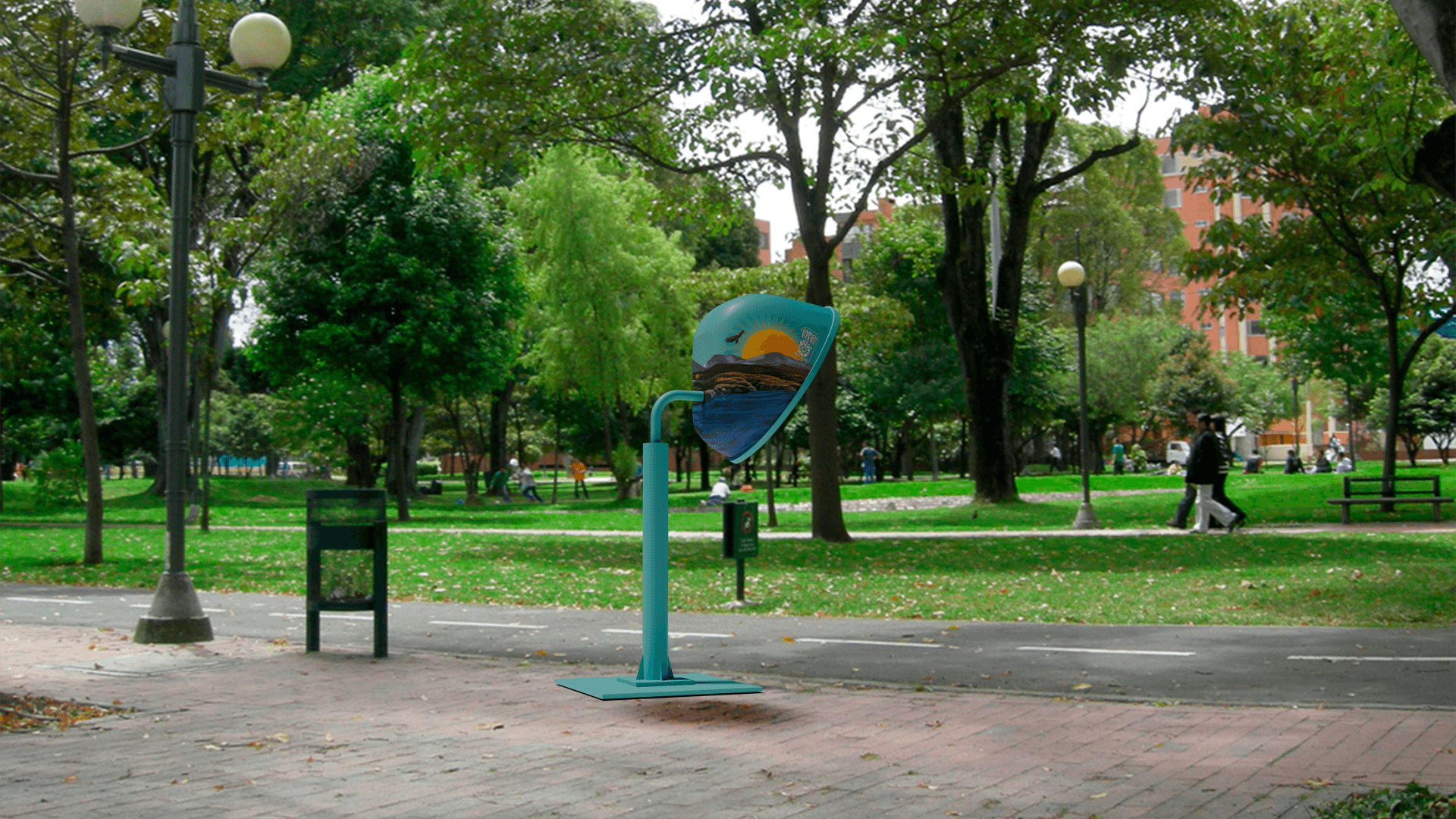
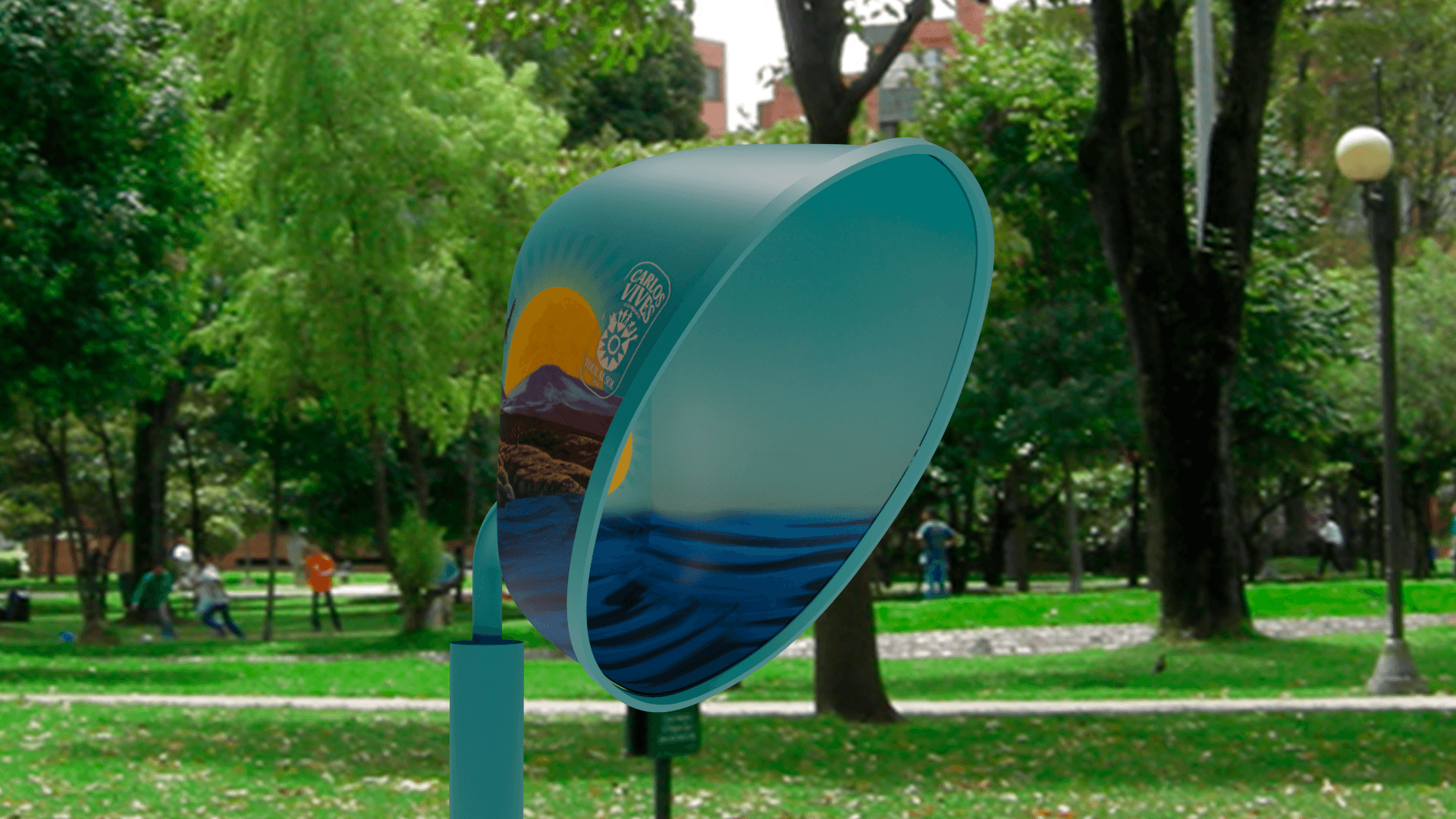
This project was developed for 8 de Diamantes as part of the launch campaign for Carlos Vives’ new world tour. The goal was to design a telephone-style cabin that could work as a public-facing announcement piece, combining physical presence, visual identity, and a sculptural geometry that stood out in urban space.
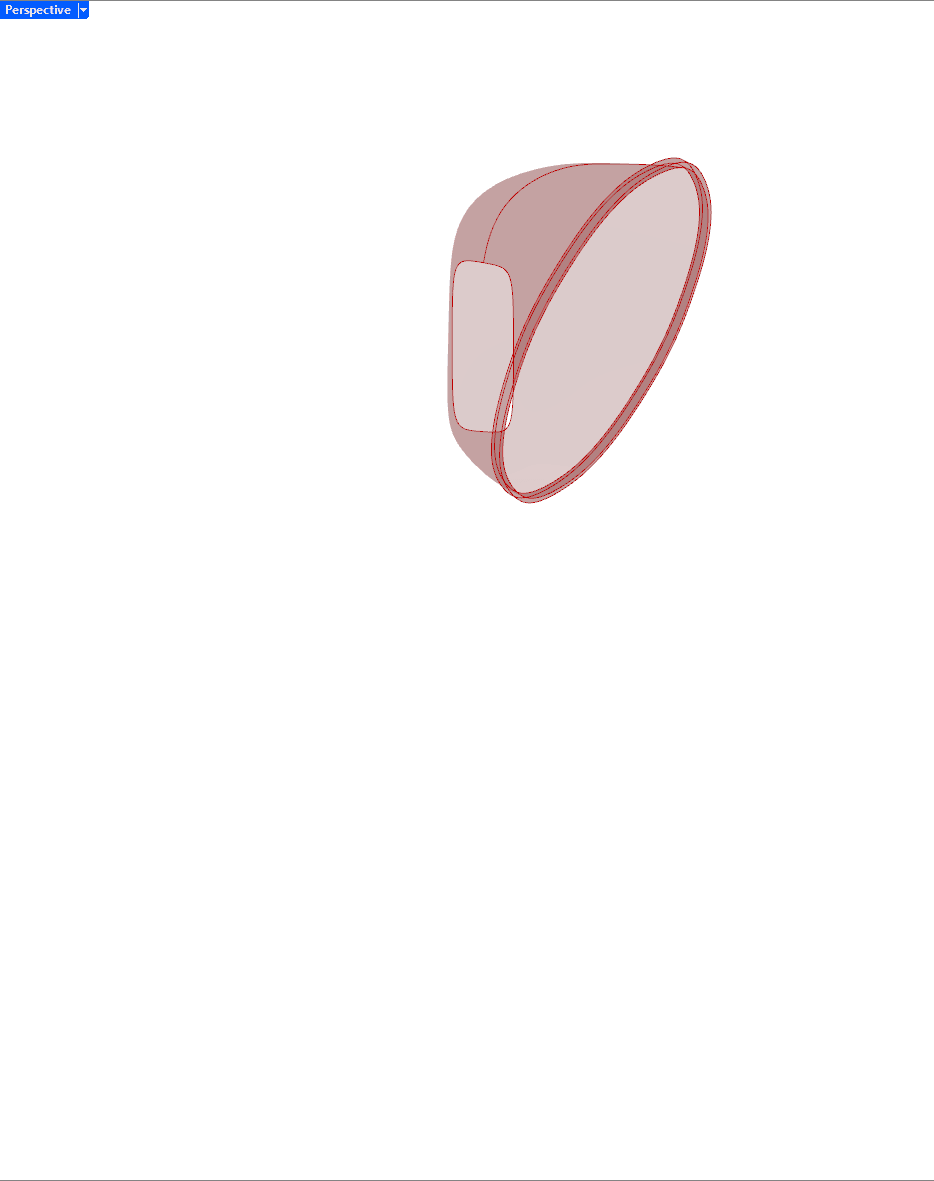
The main challenge was the cabin’s curved body. Instead of treating it as a simple object, we developed it through a parametric design process that allowed us to control the geometry, understand its surface behavior, and prepare the graphic artwork so it could fit accurately over the final form.
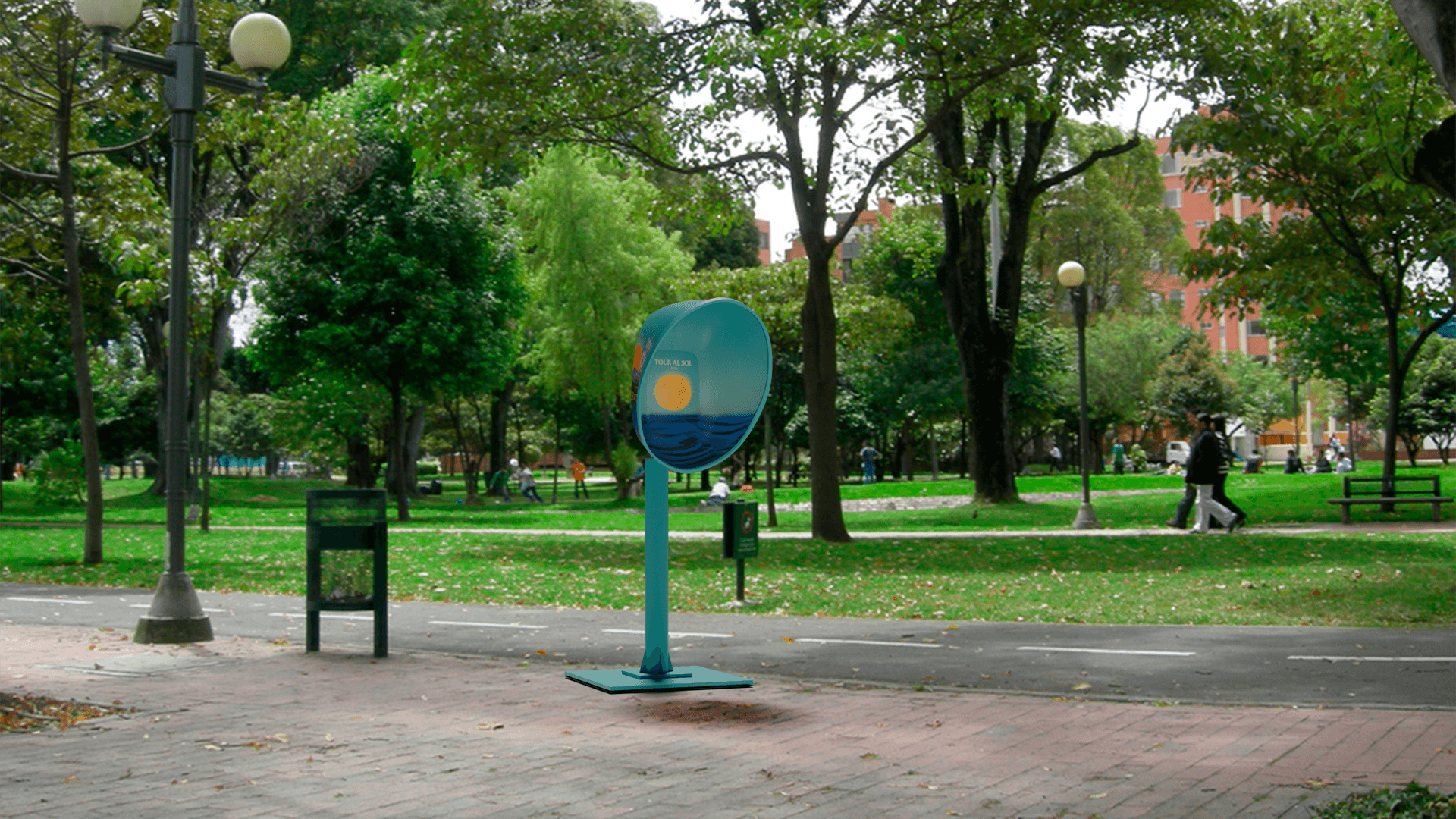
Starting point
The project started with a complex curved surface that needed to become both a physical object and a graphic support. The shape was not flat or standard, so the design could not be solved only through traditional 2D artwork.
Before producing the final visuals, we needed to understand how the surface was built, how the curves behaved, and how the artwork would deform once applied to the cabin. This made the early digital modeling stage essential for the success of the project.
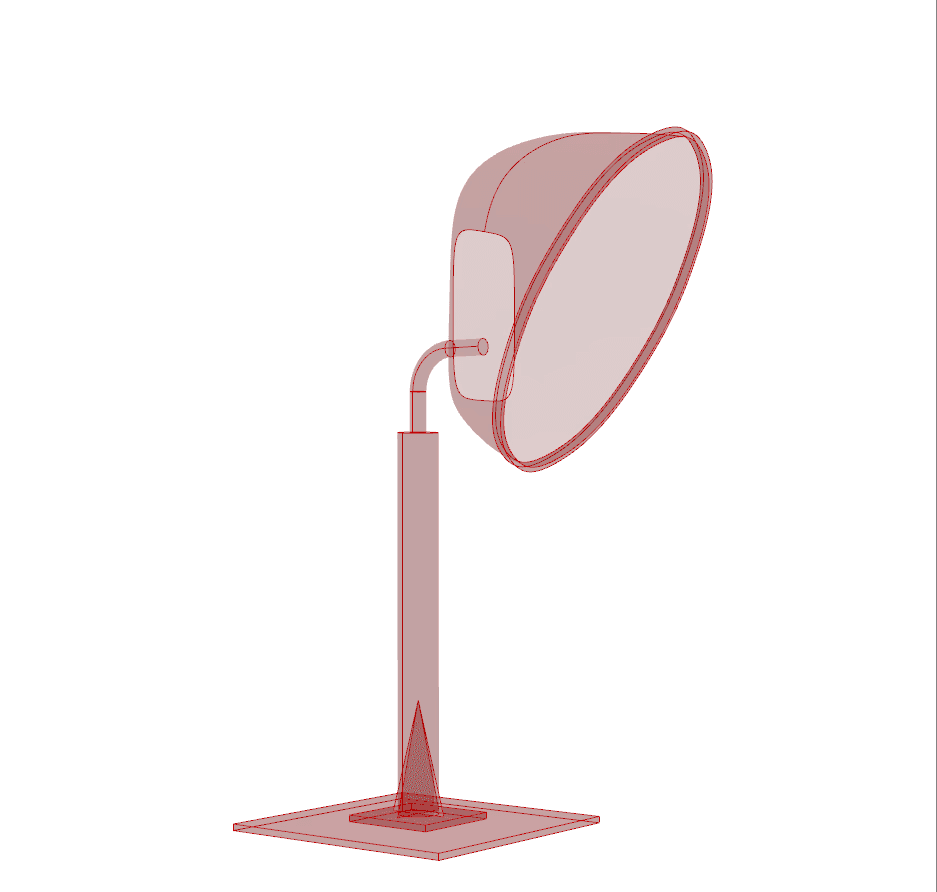
Problem solving
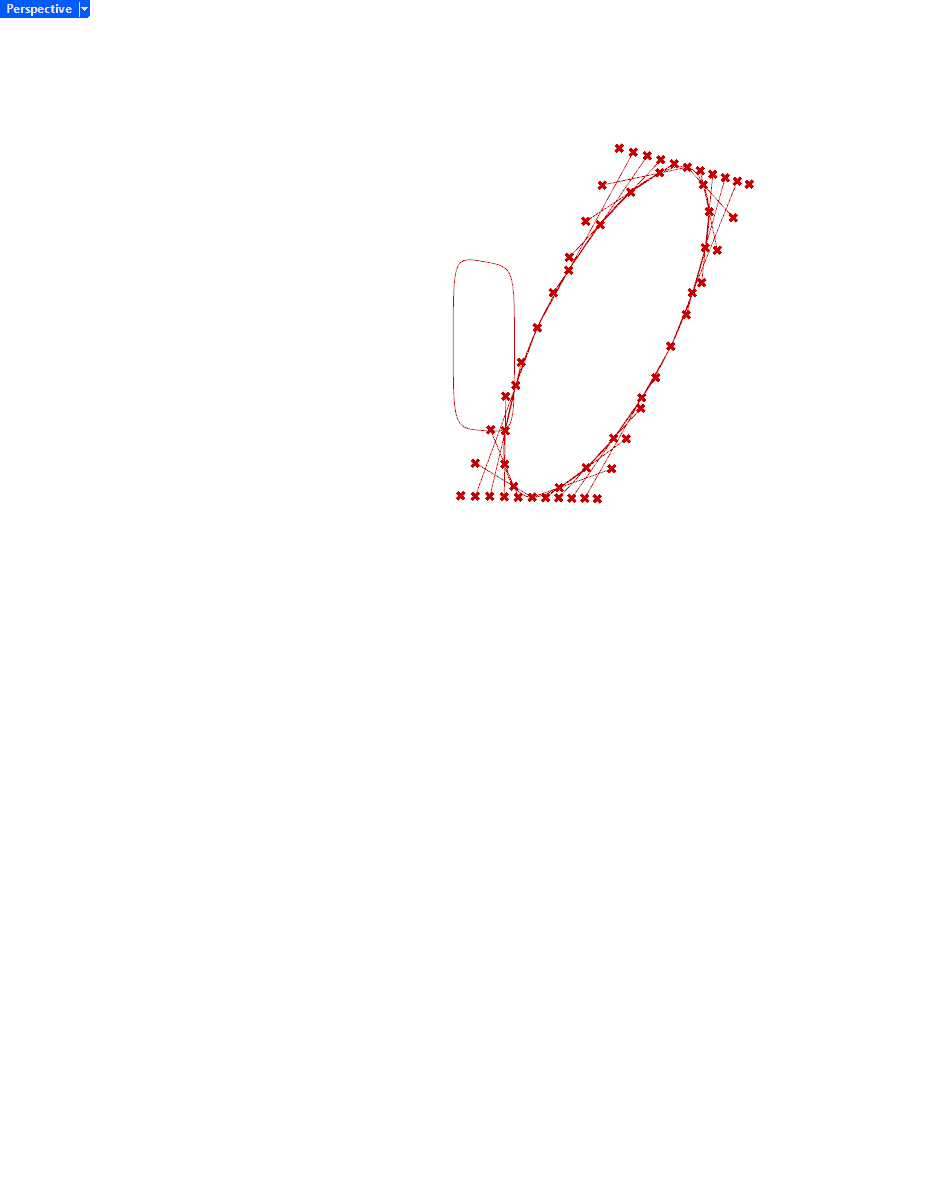
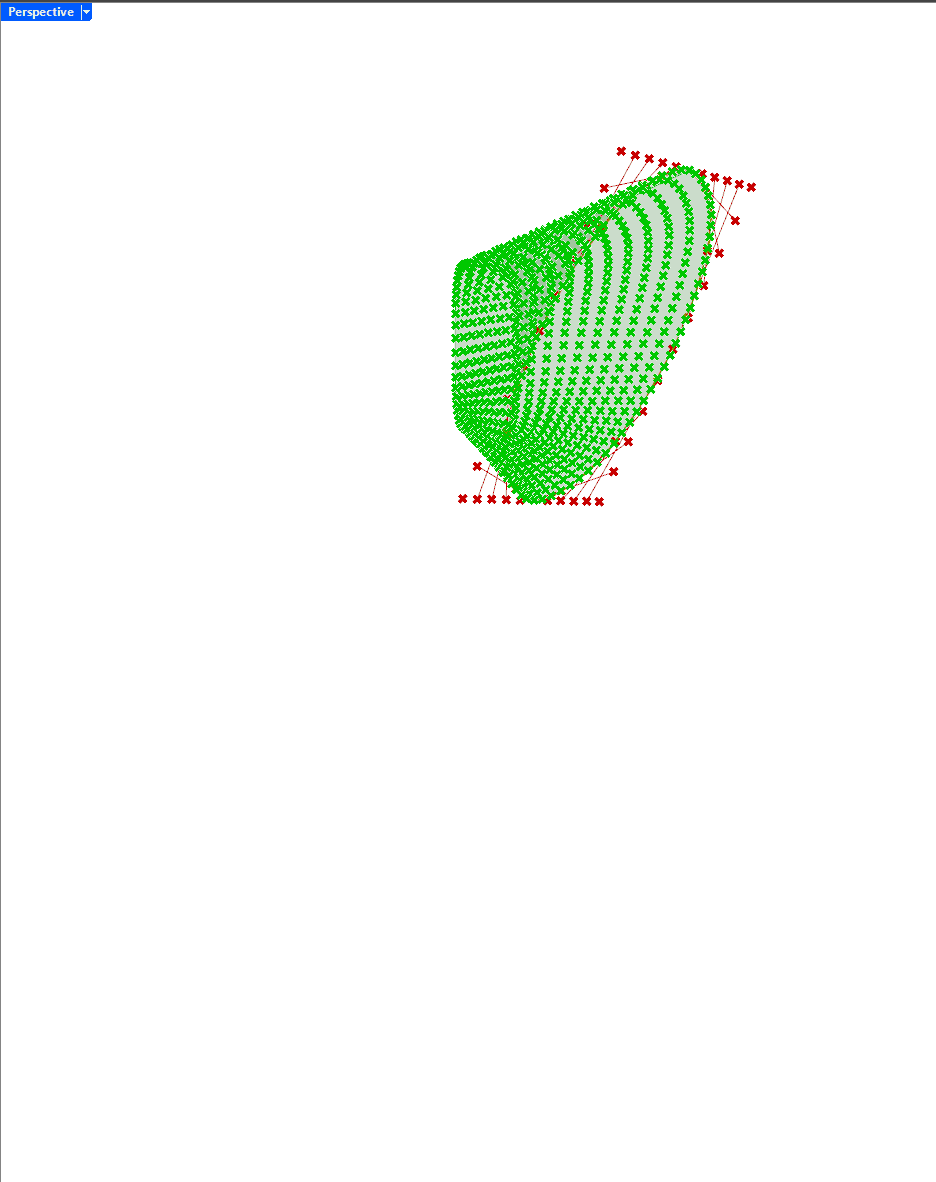
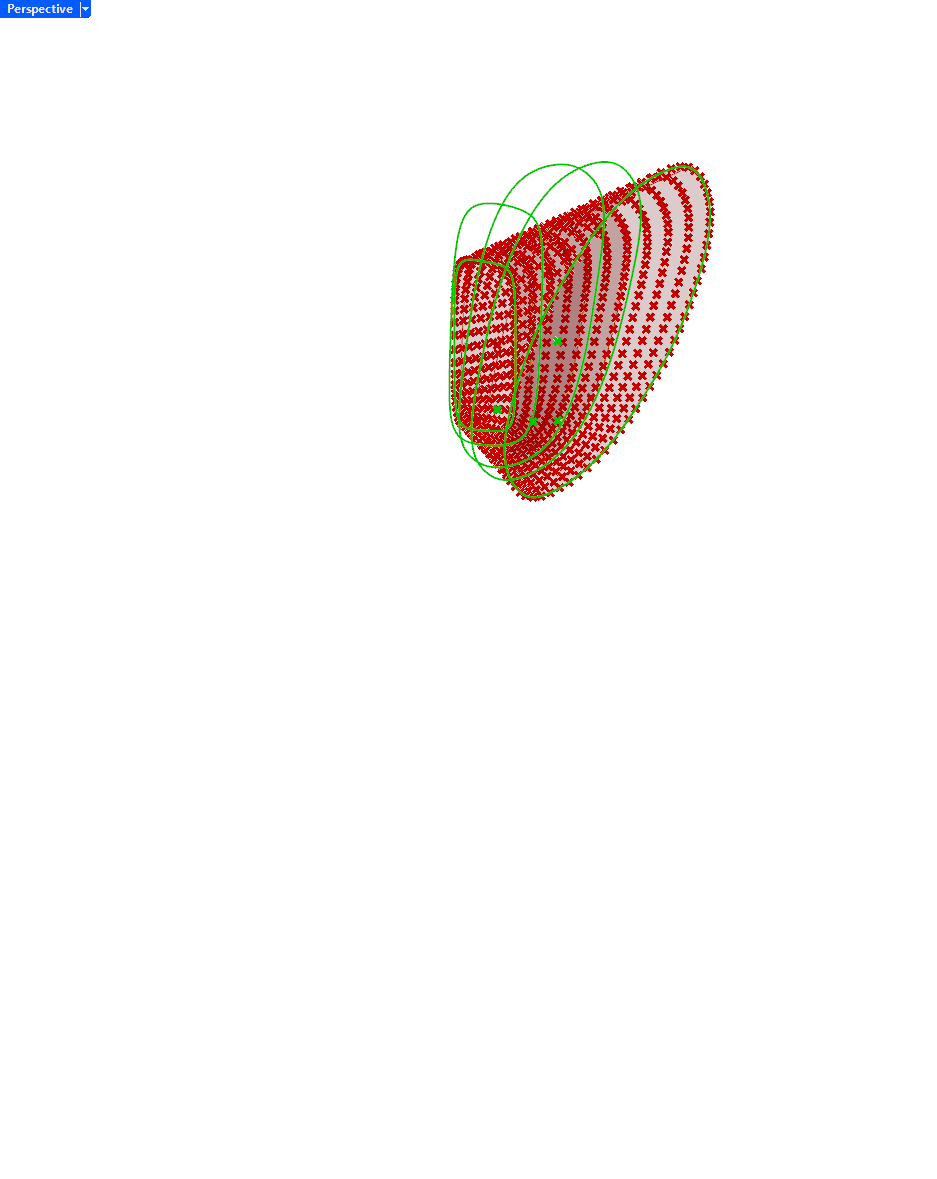
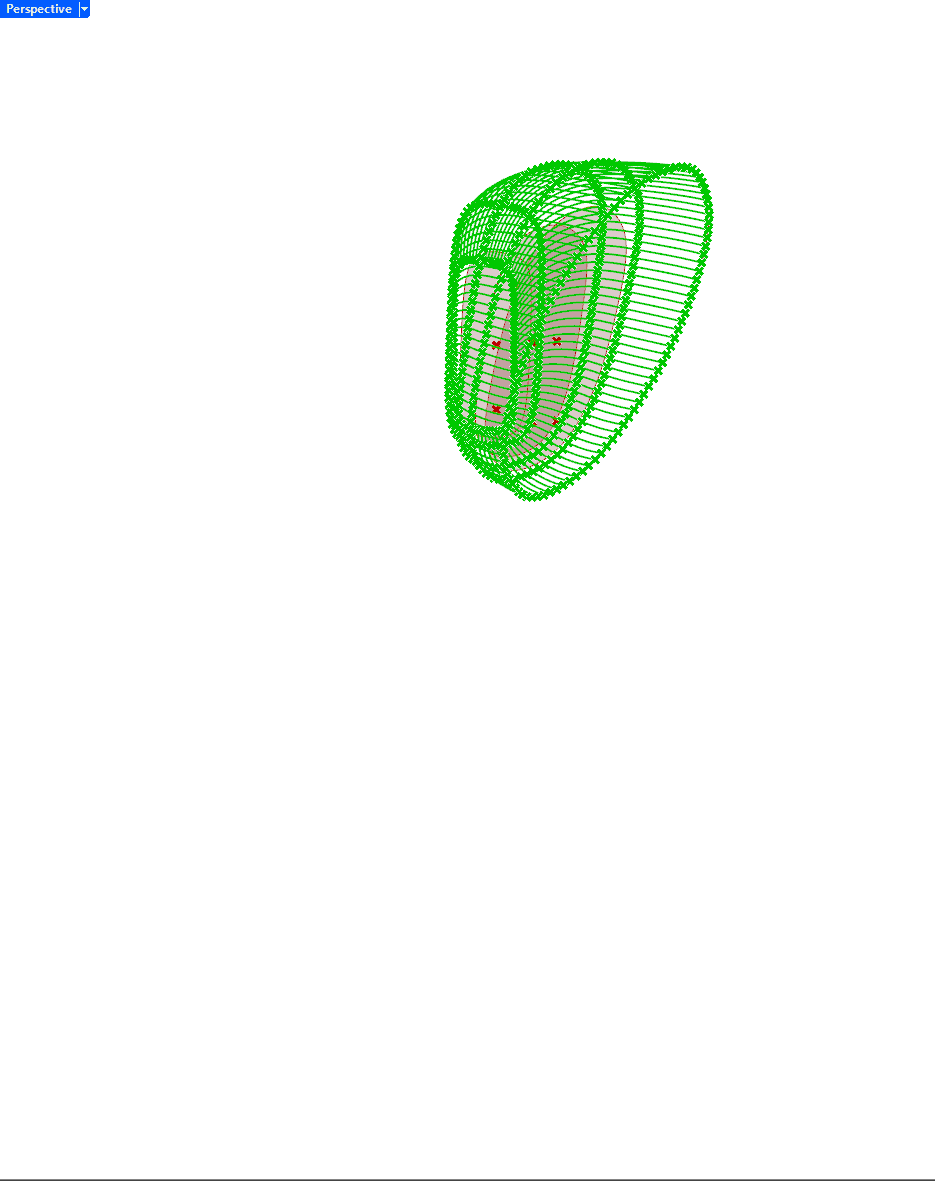
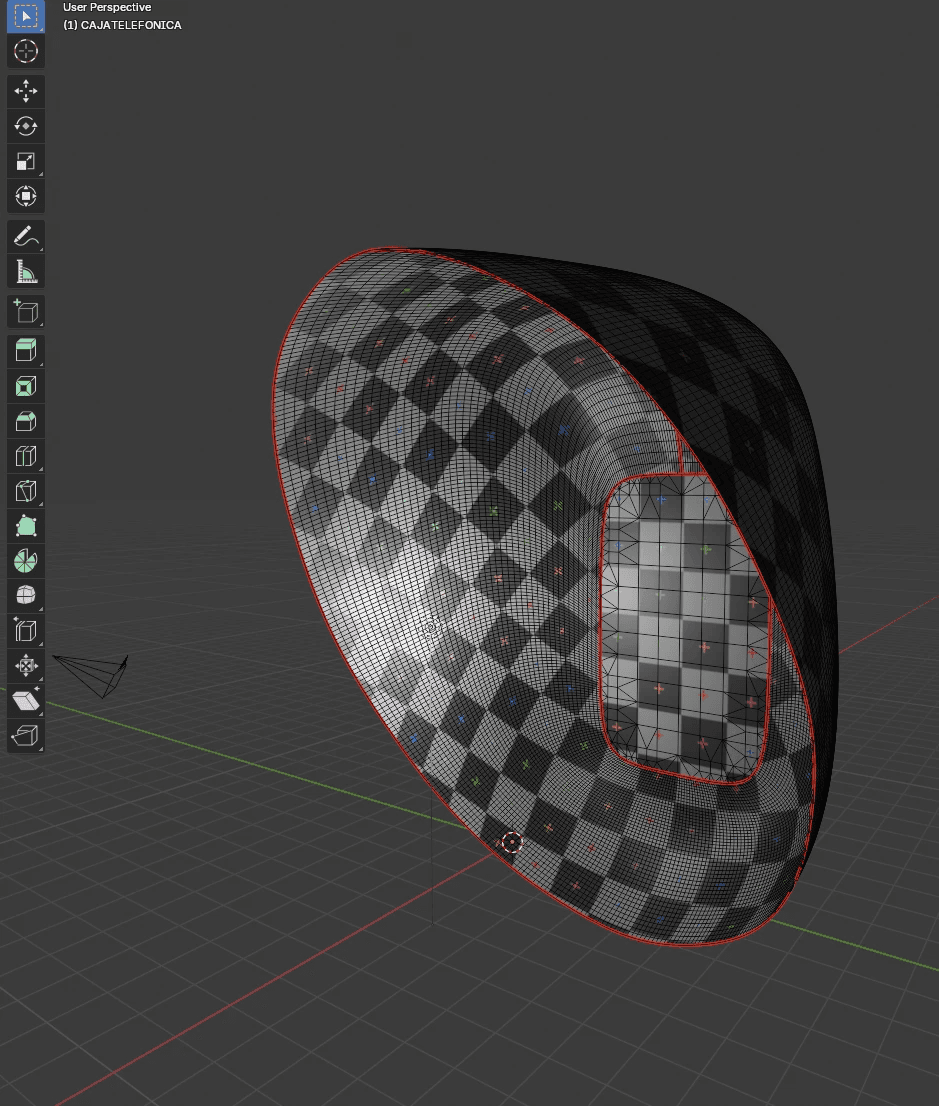
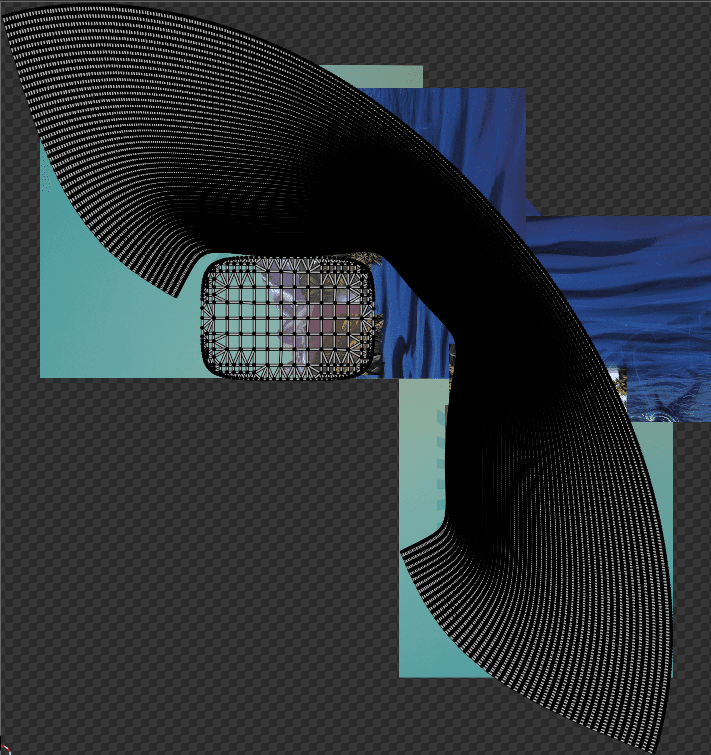
To solve the geometry, we used a parametric workflow in Rhino and Grasshopper. The process focused on mapping the main curved surface, extracting its logic, and creating a controlled digital system that allowed us to translate the 3D shape into usable 2D information for graphic production.
We tested the cabin’s surface through multiple curve and point-based studies, gradually moving from the initial profile to a more complete mapped geometry. This allowed us to understand the surface divisions, control the direction of the graphics, and reduce the risk of distortion during fabrication and installation.
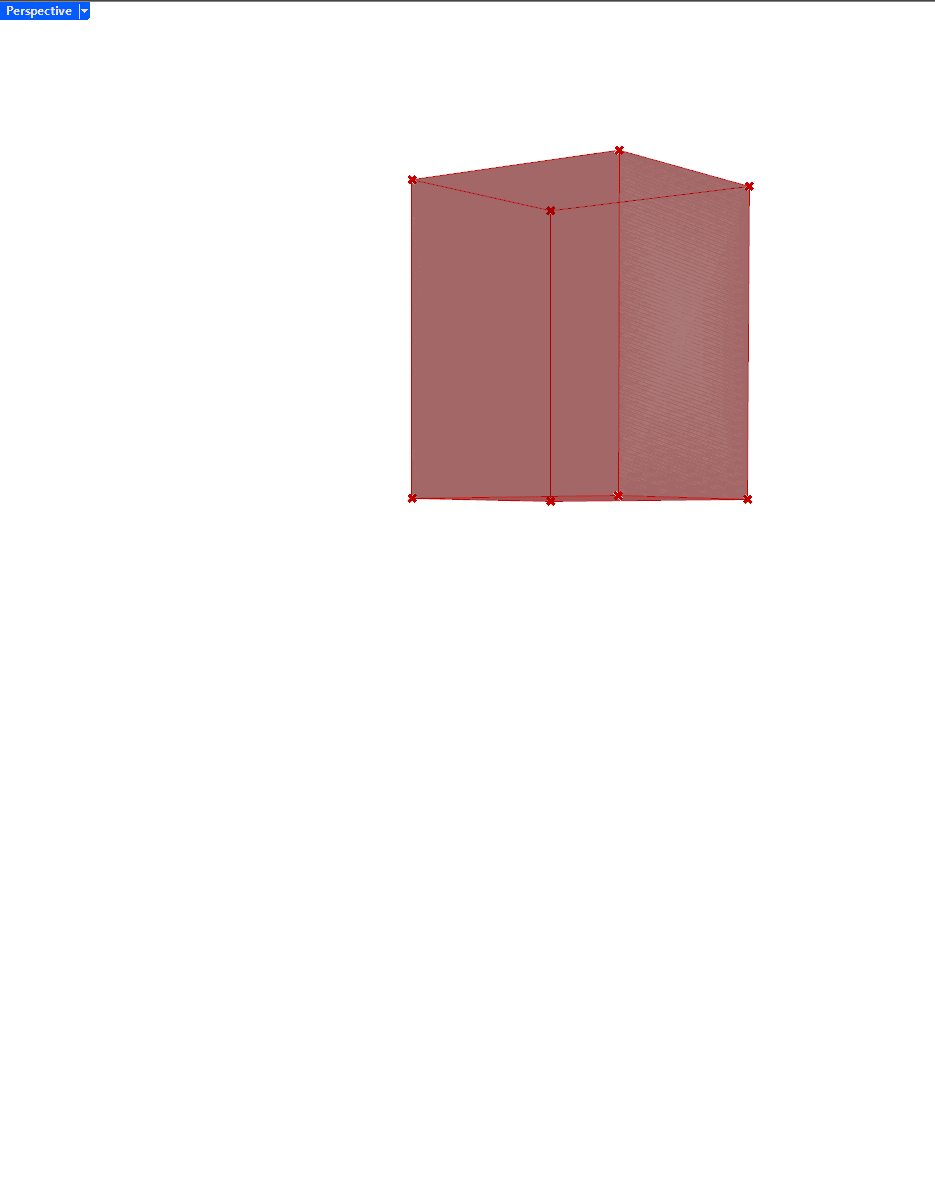
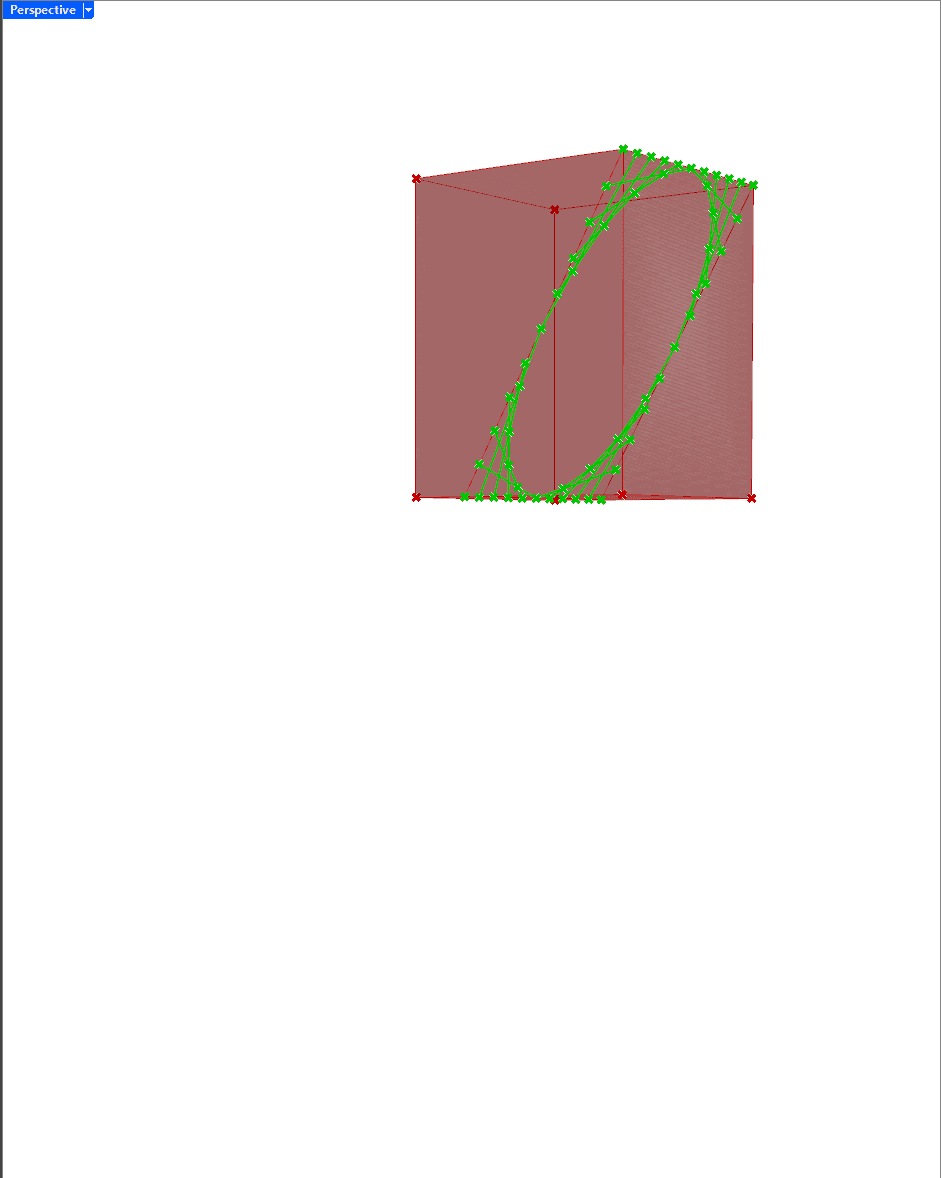
Implementation
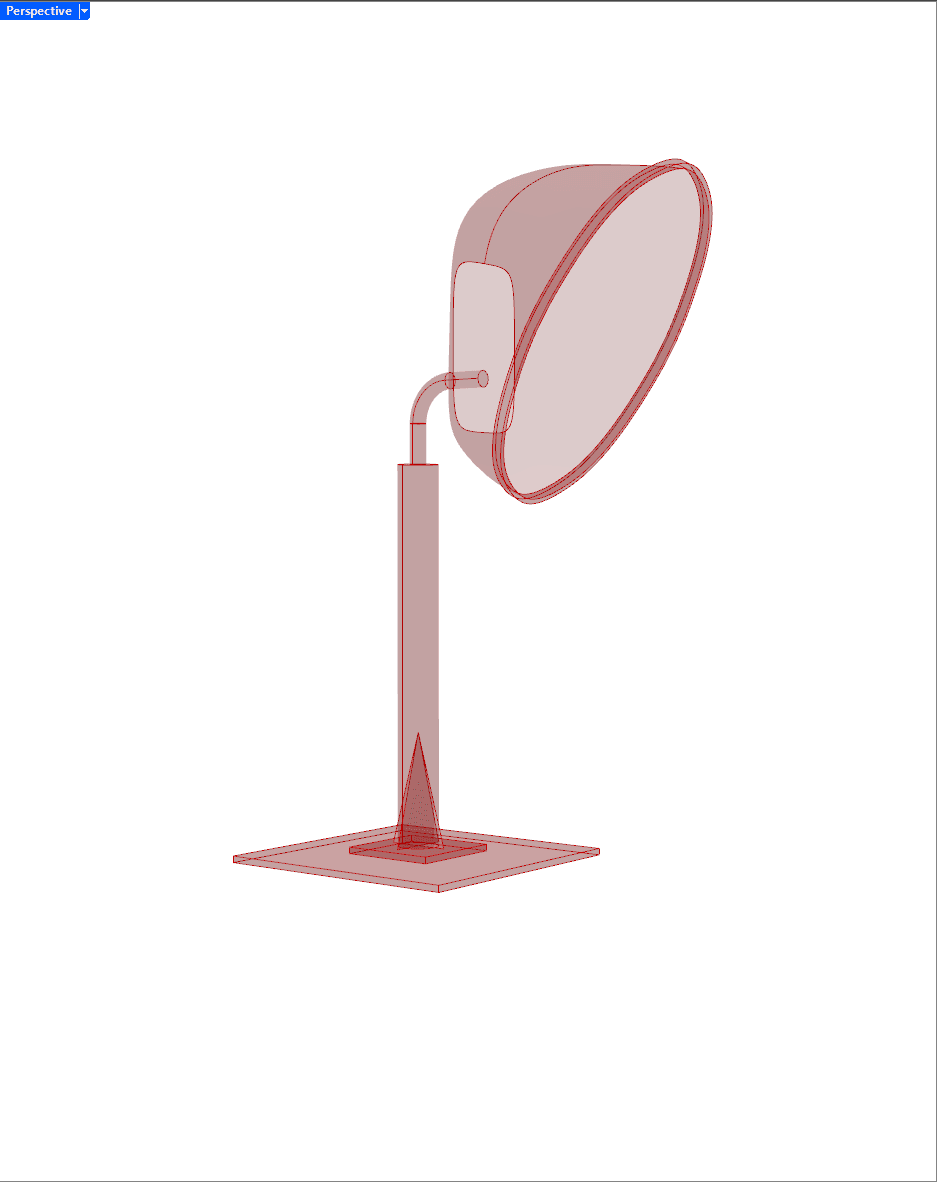
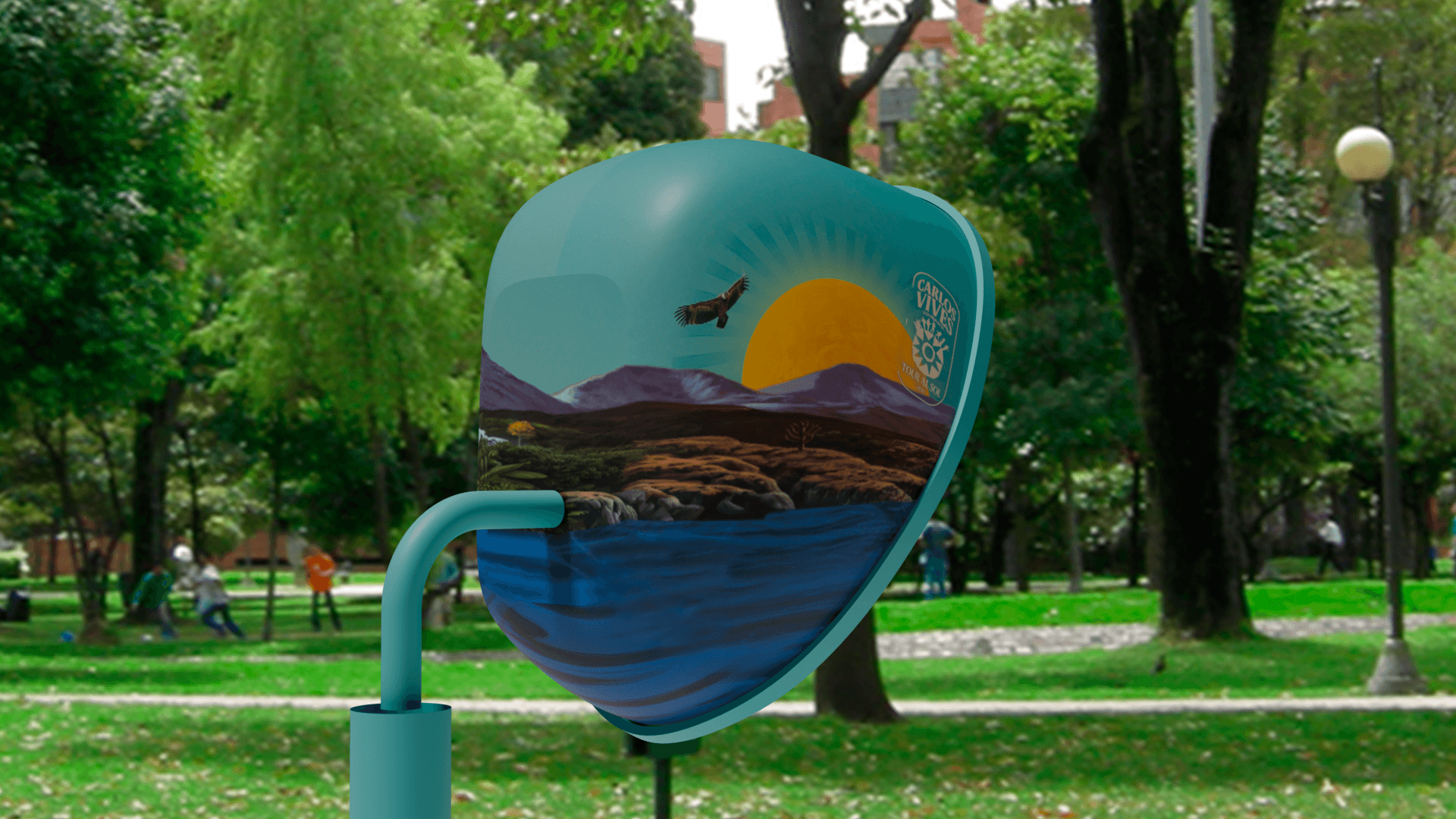
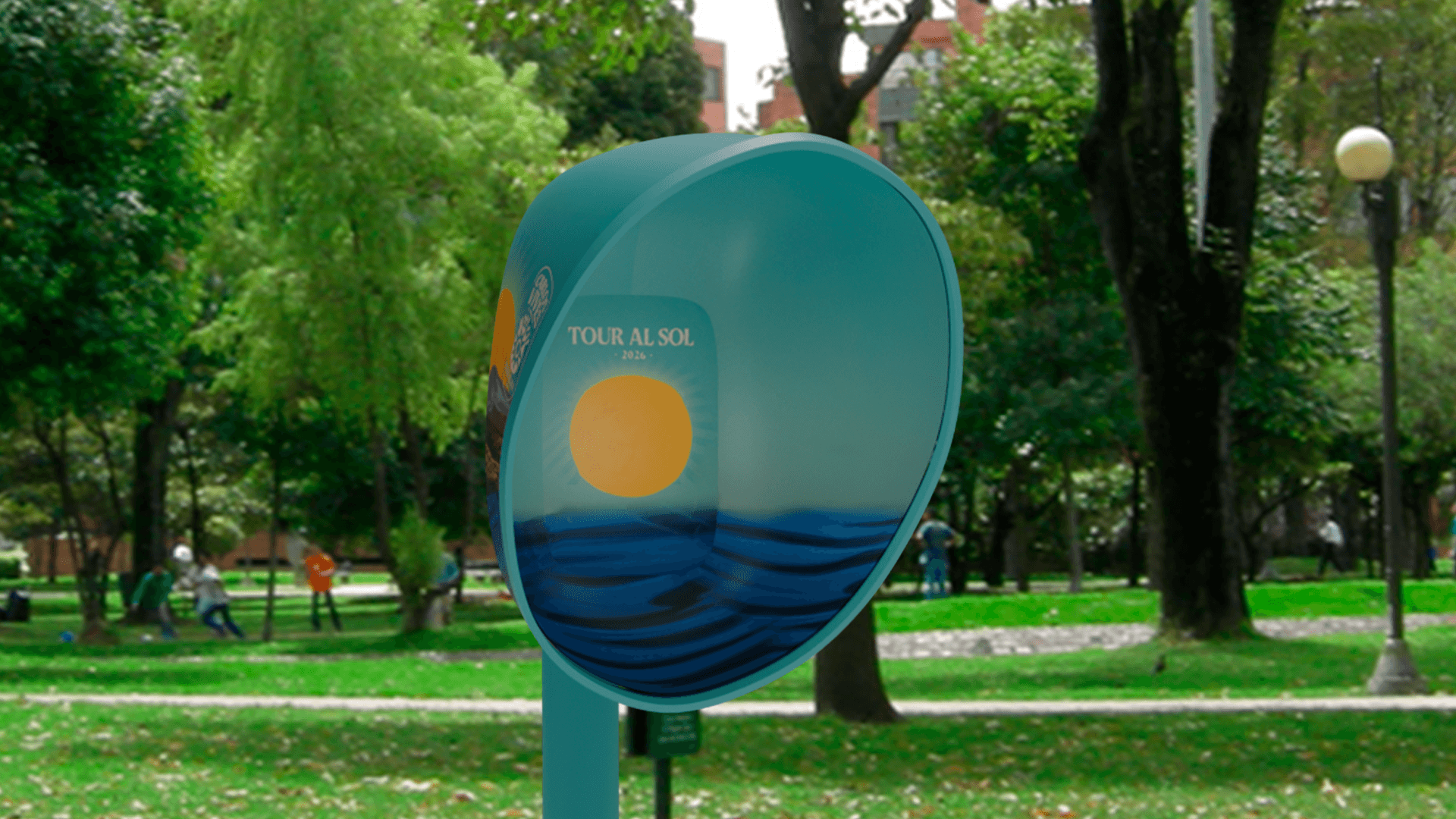
Once the geometry was defined, we used the parametric model as the base for the final production workflow. The mapped surface became the bridge between the physical cabin and the graphic artwork, allowing the visual design to adapt to the curved form instead of being forced onto it.
The final object combined a structural base, vertical support, curved telephone-cabin body, and custom graphic treatment for the tour announcement. The digital model helped coordinate proportions, surface behavior, and the final visual placement before fabrication.
Results
The final result was a sculptural telephone-style cabin designed as an experiential announcement piece for Carlos Vives’ world tour. The project transformed a complex curved geometry into a buildable and graphic-ready object through parametric design.
This project shows how computational workflows can support real production challenges: not only by generating form, but by helping translate complex geometry into fabrication logic, graphic mapping, and final spatial experience.