Pulse
Client:
Personal project
Industry:
Generative Art / Real-Time Visuals / AI Tools
Start:
End:
Duration:
4 months
Read time:
3 min
Pulse is a TouchDesigner-based generative art project exploring the connection between music, real-time geometry, and AI image generation.
The project followed a tutorial as a starting point, but became a much deeper technical exercise when I rebuilt and adapted the system to work properly on macOS. The original workflow was made for Windows, so several parts of the setup had to be reconfigured, modified, and debugged from the ground up.
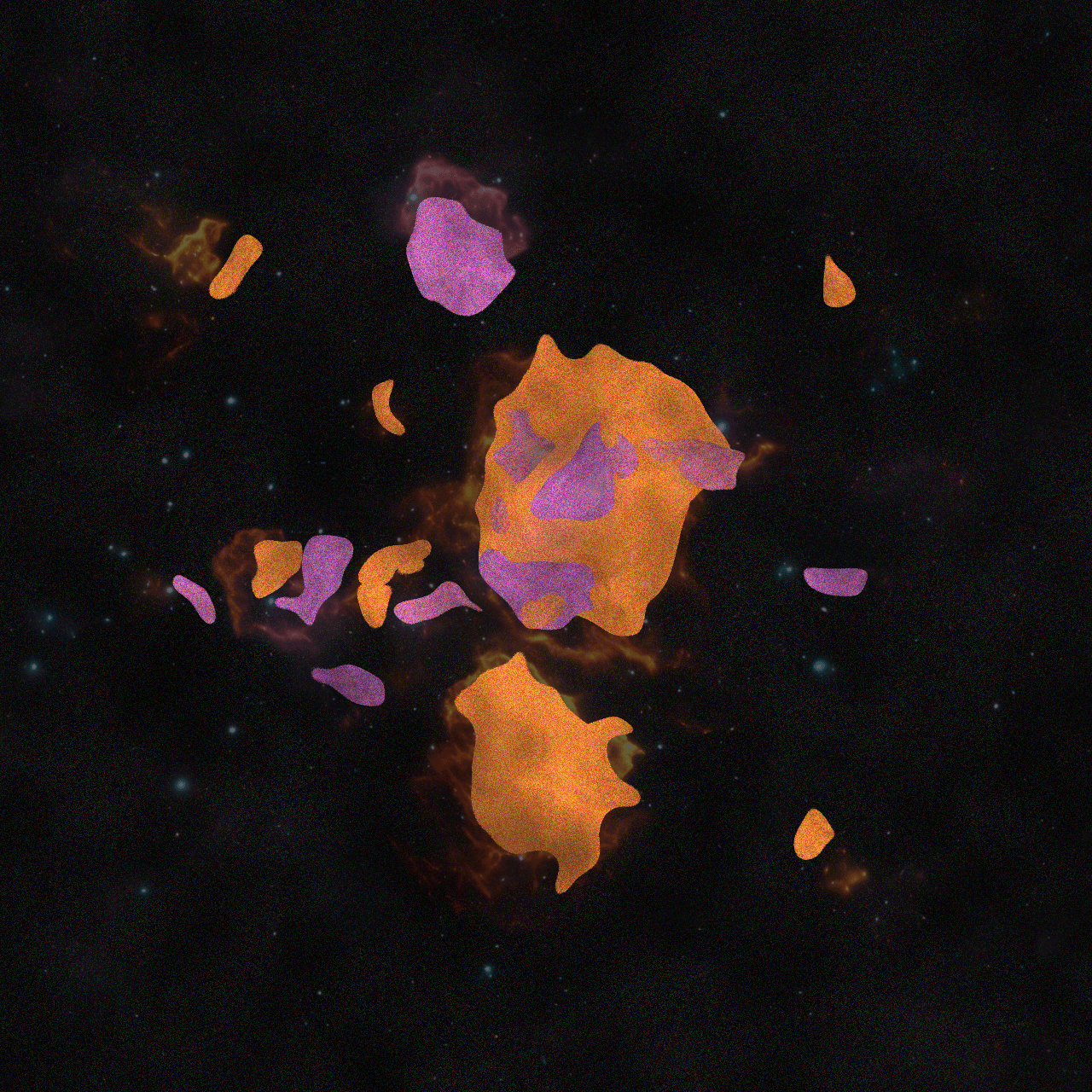
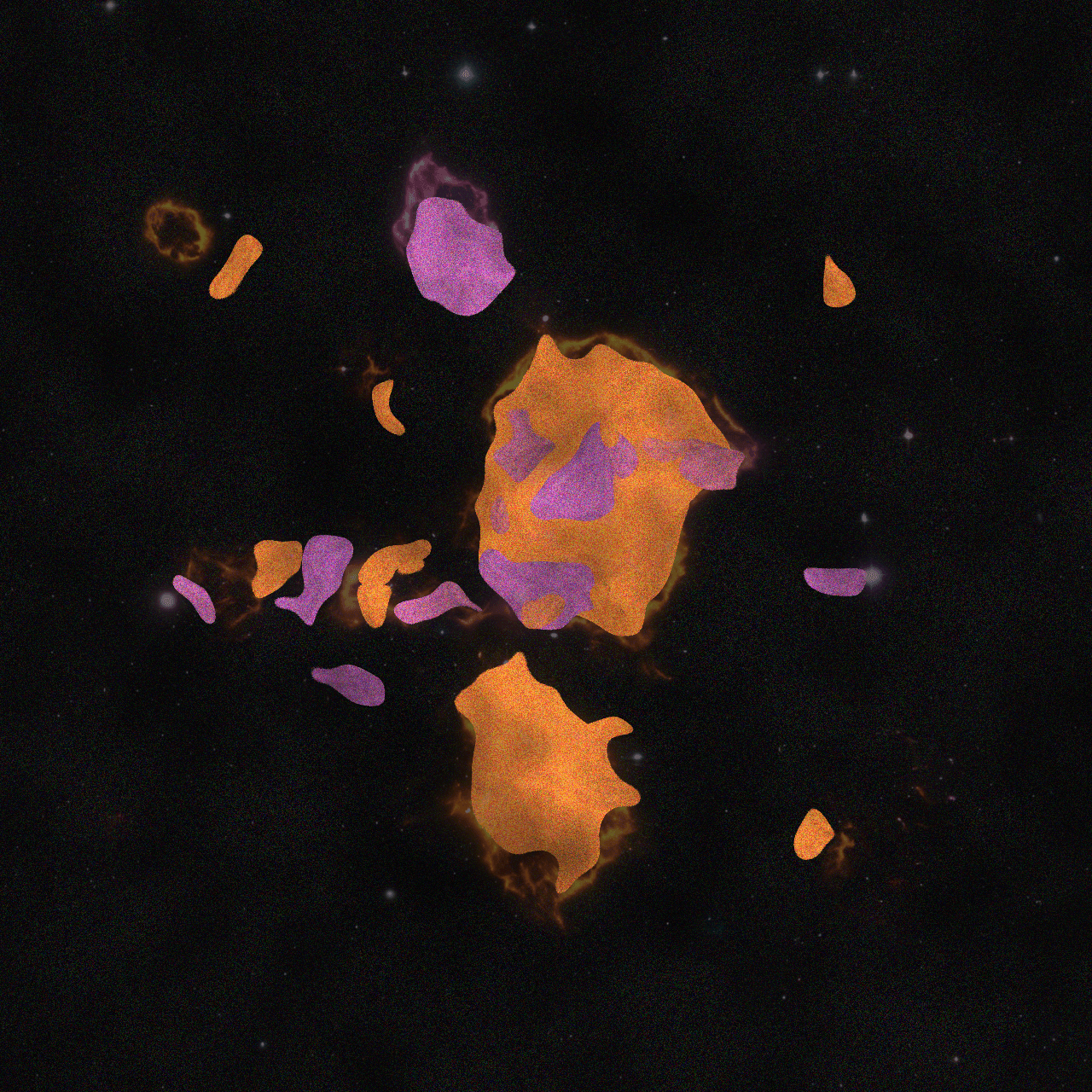
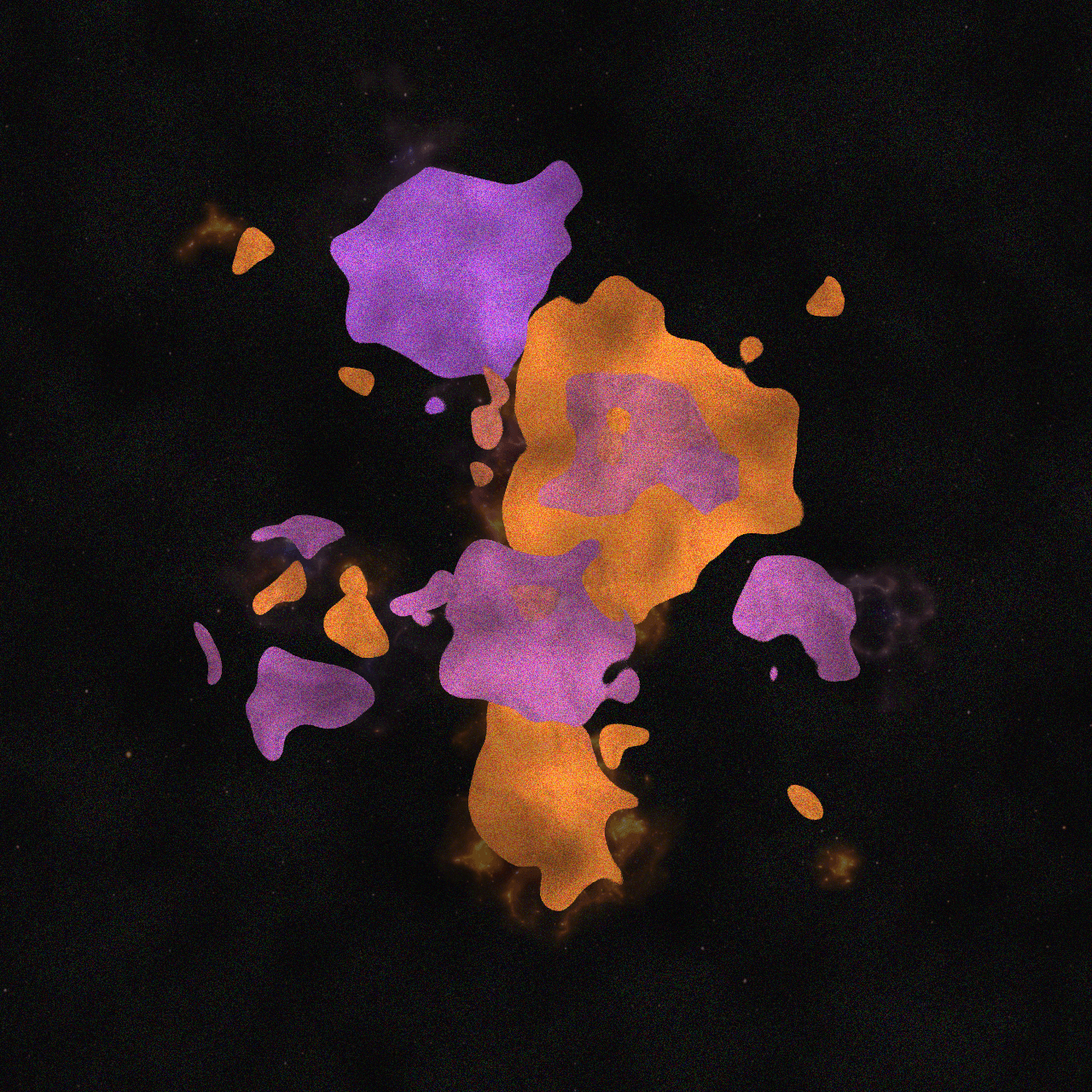
The system worked in two layers: first, TouchDesigner generated beat-reactive geometries driven by sound analysis; then, those geometries were sent through API connections to a diffusion model, where prompts transformed them into AI-generated visual outputs.
Starting point
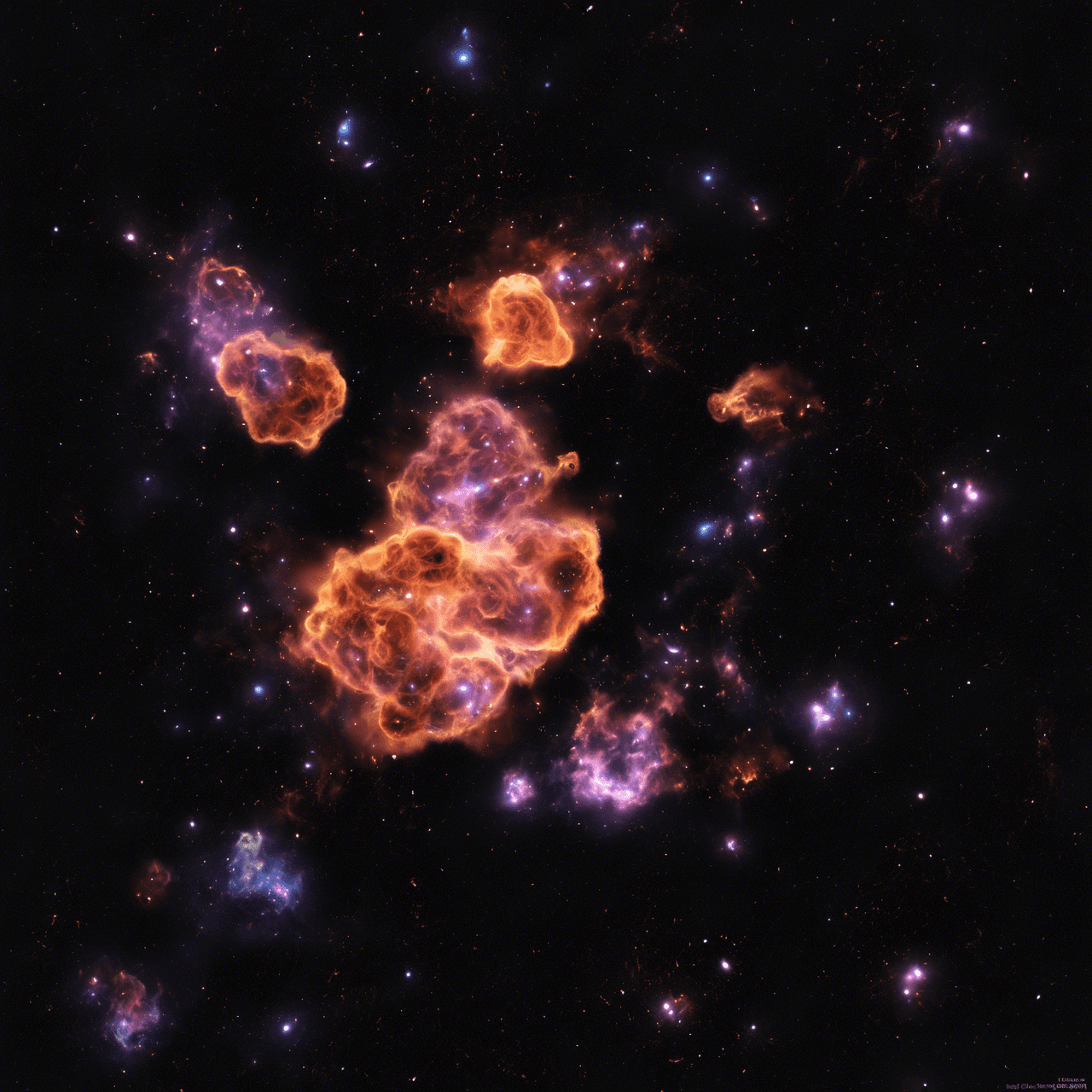
The project began as an exercise in music-reactive visuals, but quickly became a study of how real-time systems can communicate with external AI models.
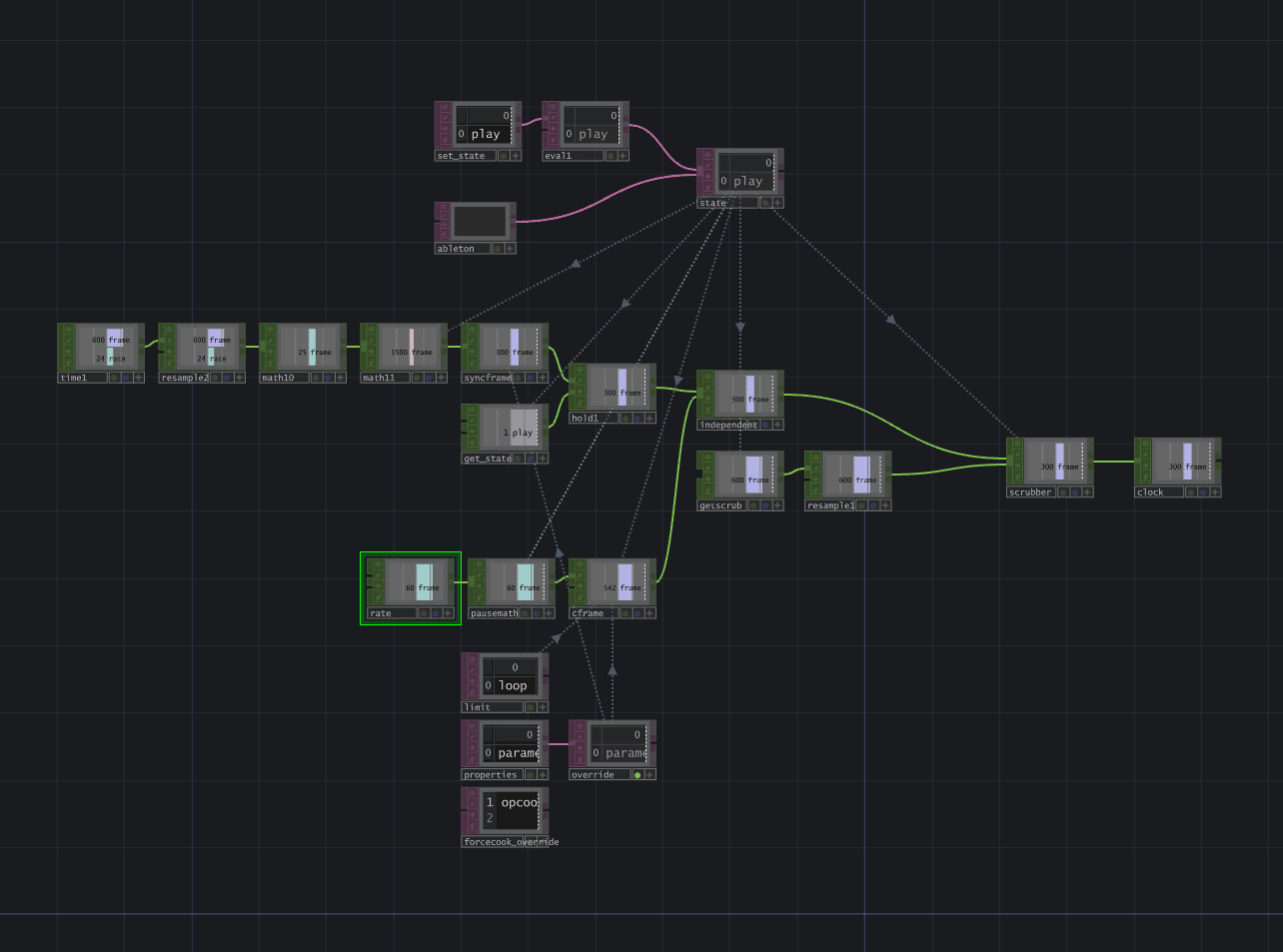
The first step was to build a visual system in TouchDesigner that could listen to music and translate rhythm, beat intensity, and movement into geometric forms. These forms were not final images by themselves; they acted as visual inputs for a second generative layer.
Problem solving
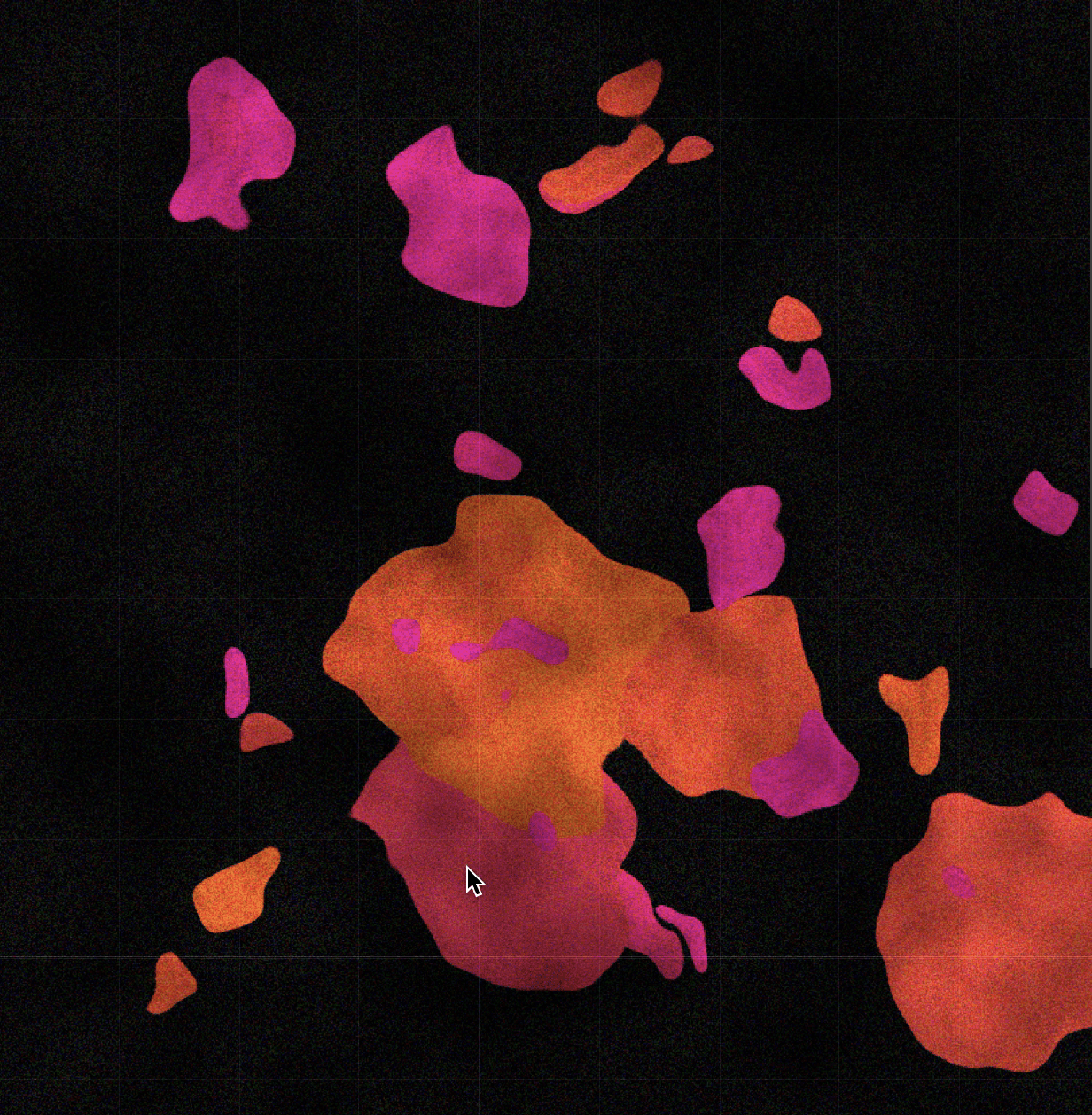
The main challenge was technical compatibility. The tutorial was built for Windows, but I needed the project to run on macOS, which required reworking file paths, dependencies, API behavior, and several parts of the original setup.
The project also involved managing multiple files, connecting TouchDesigner to external APIs, and controlling how generated geometry could be passed into a diffusion model. In 2023, this kind of workflow was much less direct than it is today, so the process required experimentation, debugging, and heavy adaptation.
Implementation
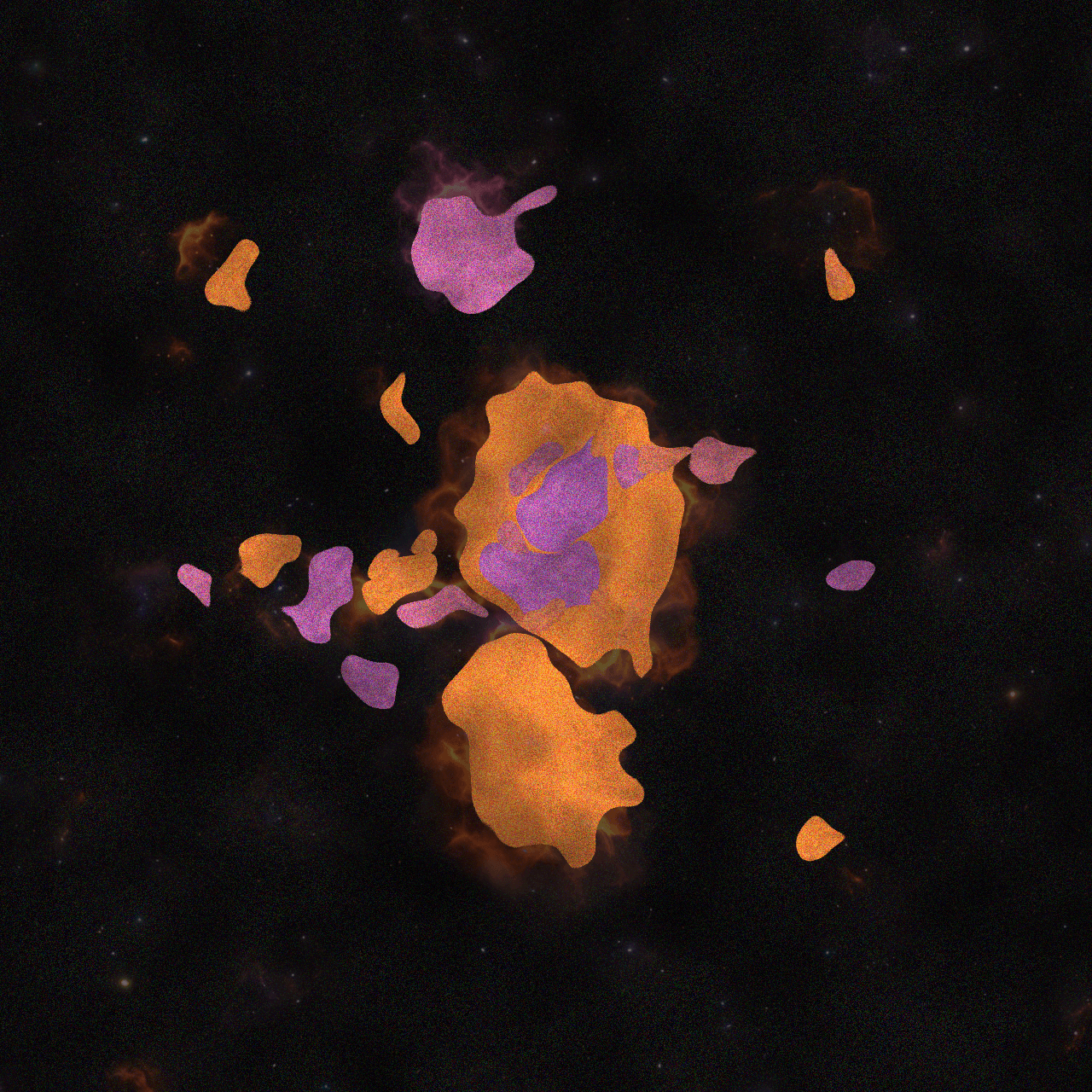
The implementation combined real-time audio analysis, procedural geometry, API communication, and prompt-based image generation.
In TouchDesigner, the audio signal was analyzed and used to control motion, scale, rhythm, and visual behavior. These sound-reactive geometries were then used as a visual base for the diffusion model. Through API calls, the system sent the image information and prompts to generate new interpretations of the geometry.
The final workflow connected a live visual environment with an external AI model, creating a bridge between real-time interaction and generative image synthesis.
Results
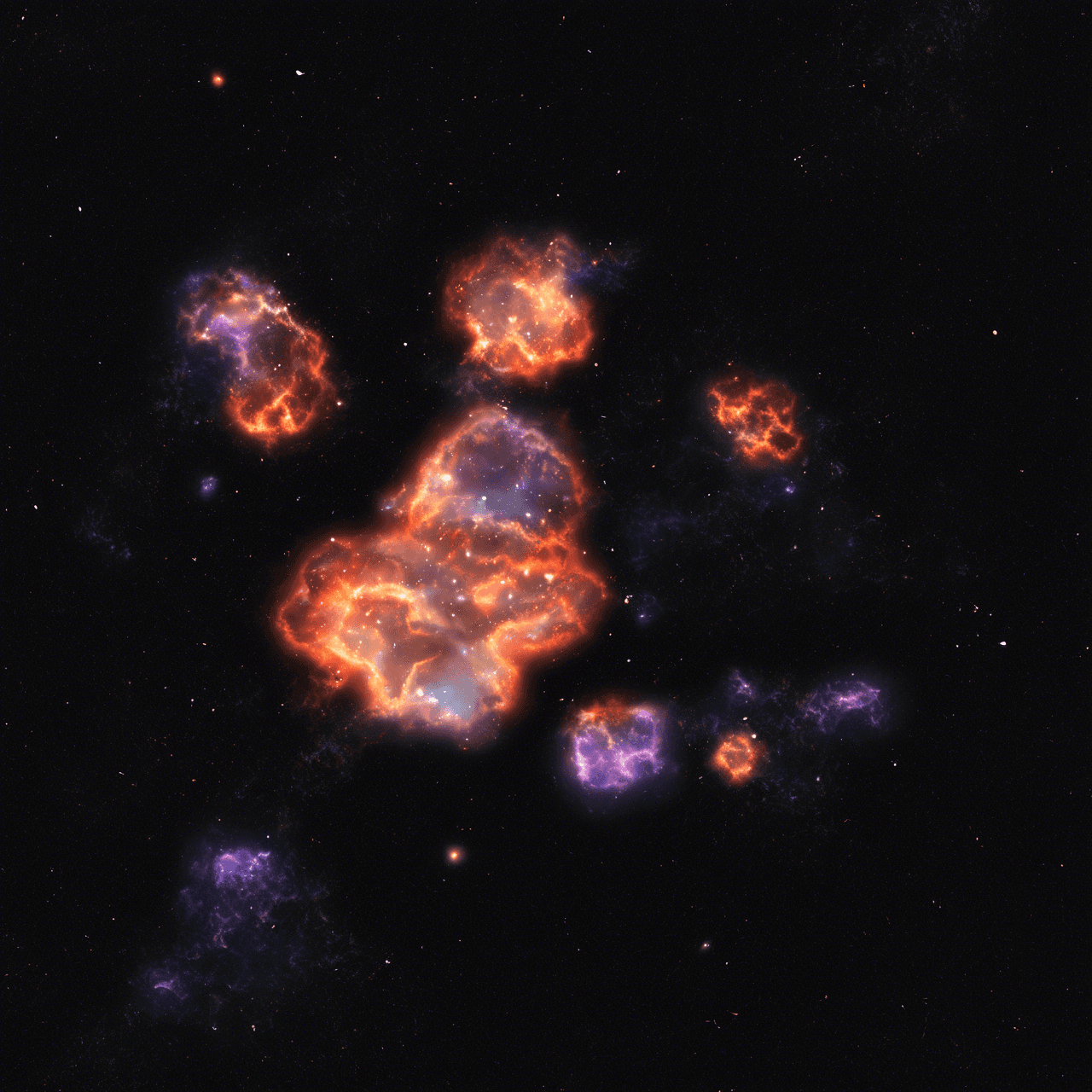
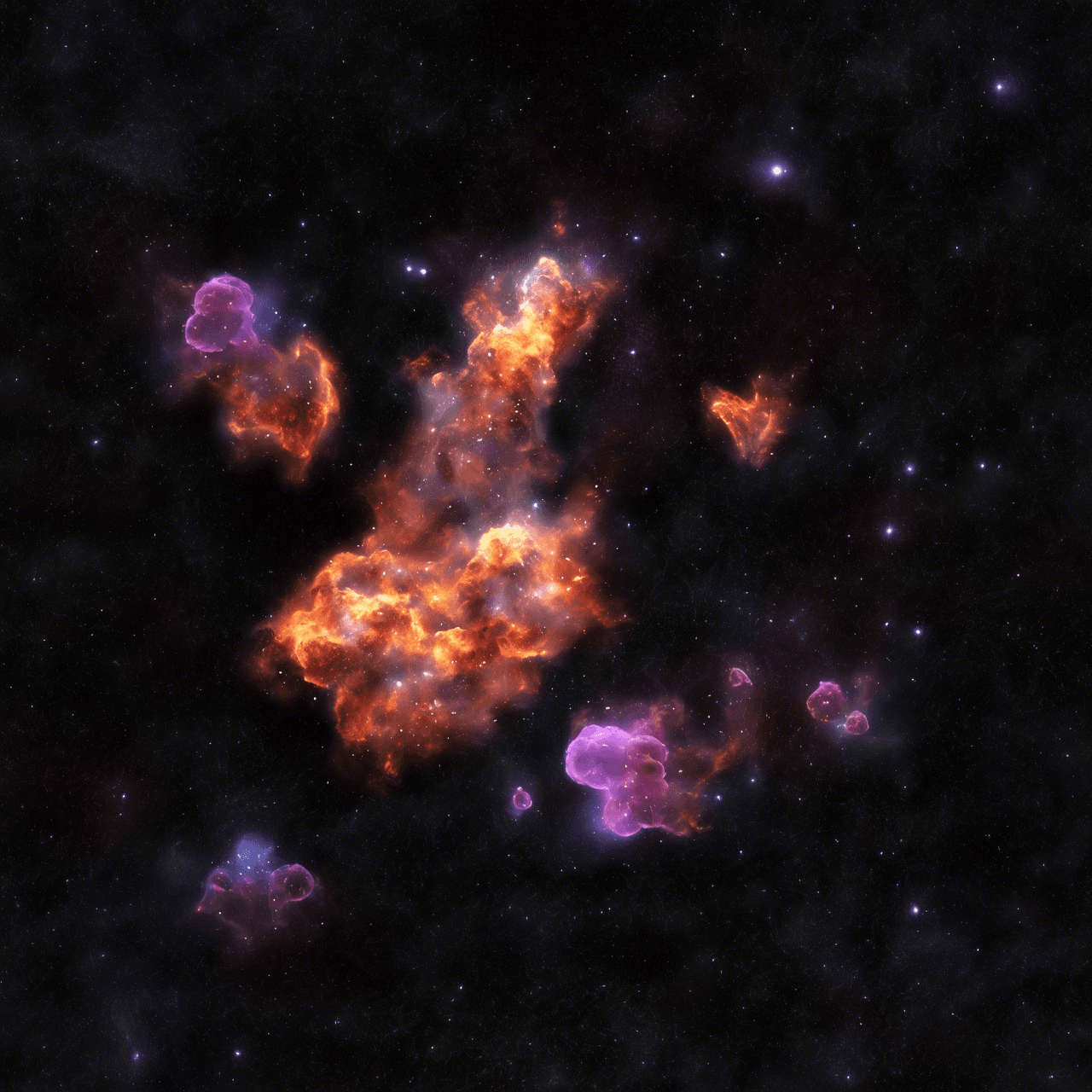
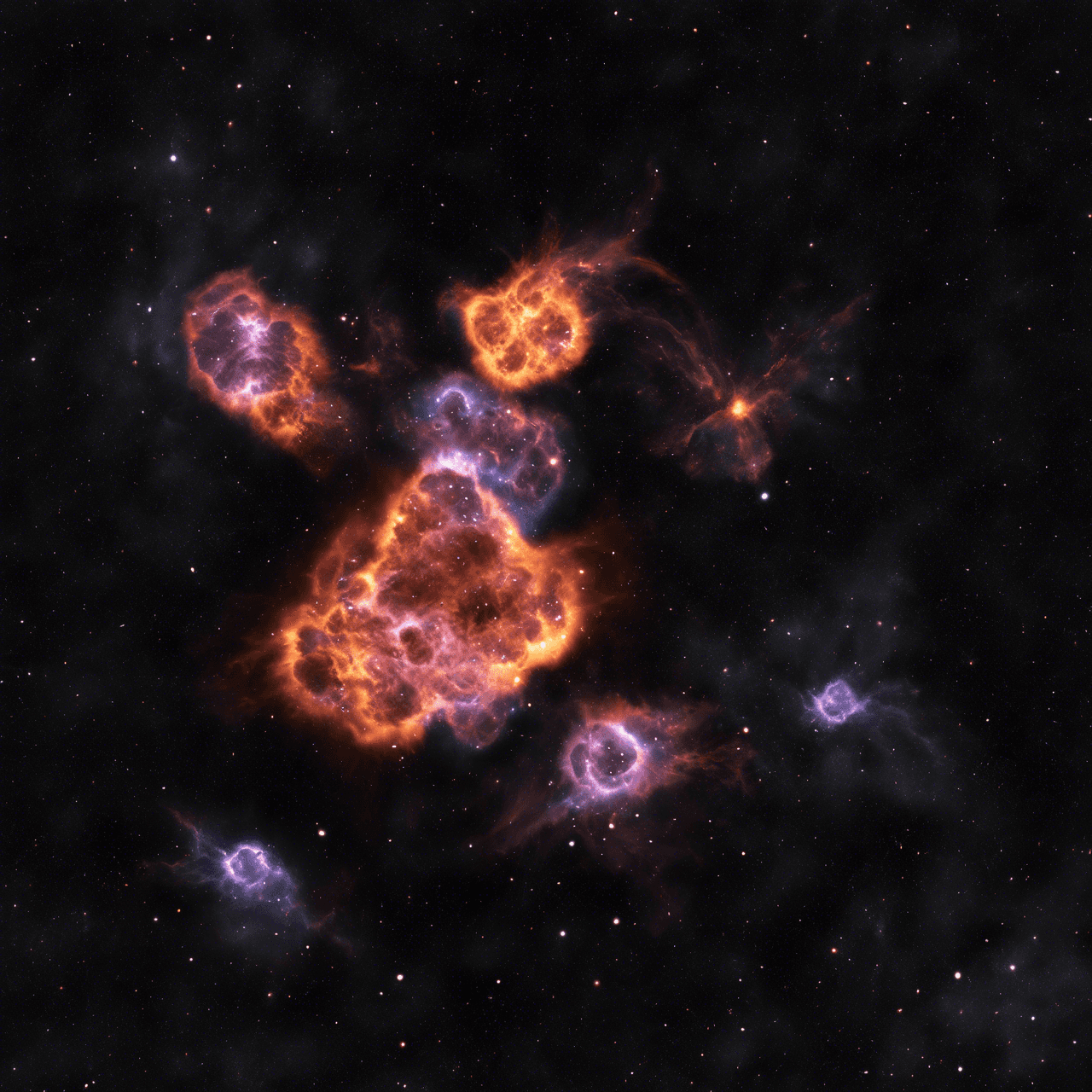
The final result was a hybrid visual system where music created geometry, and AI transformed that geometry into a new visual language.
Beyond the final images, the value of the project was technical: it helped me understand how TouchDesigner can act as a control environment for external AI systems, how APIs can extend creative workflows, and how real-time visuals can become inputs for generative models.
Final video
https://youtube.com/shorts/ImwnfzEqOX4?feature=share